
What does a lifted fastener row indicate?
It can point to deck movement, aging adhesive or a sheet pulling against a wall. We count the lifted heads, photograph the row and note the wall, which lets a later walk show whether it is growing.
Big-box retail roofing in Kenosha, WI: fastener-row findings, moisture surveys, snow-load records and multi-store roof programs for regional retail teams.
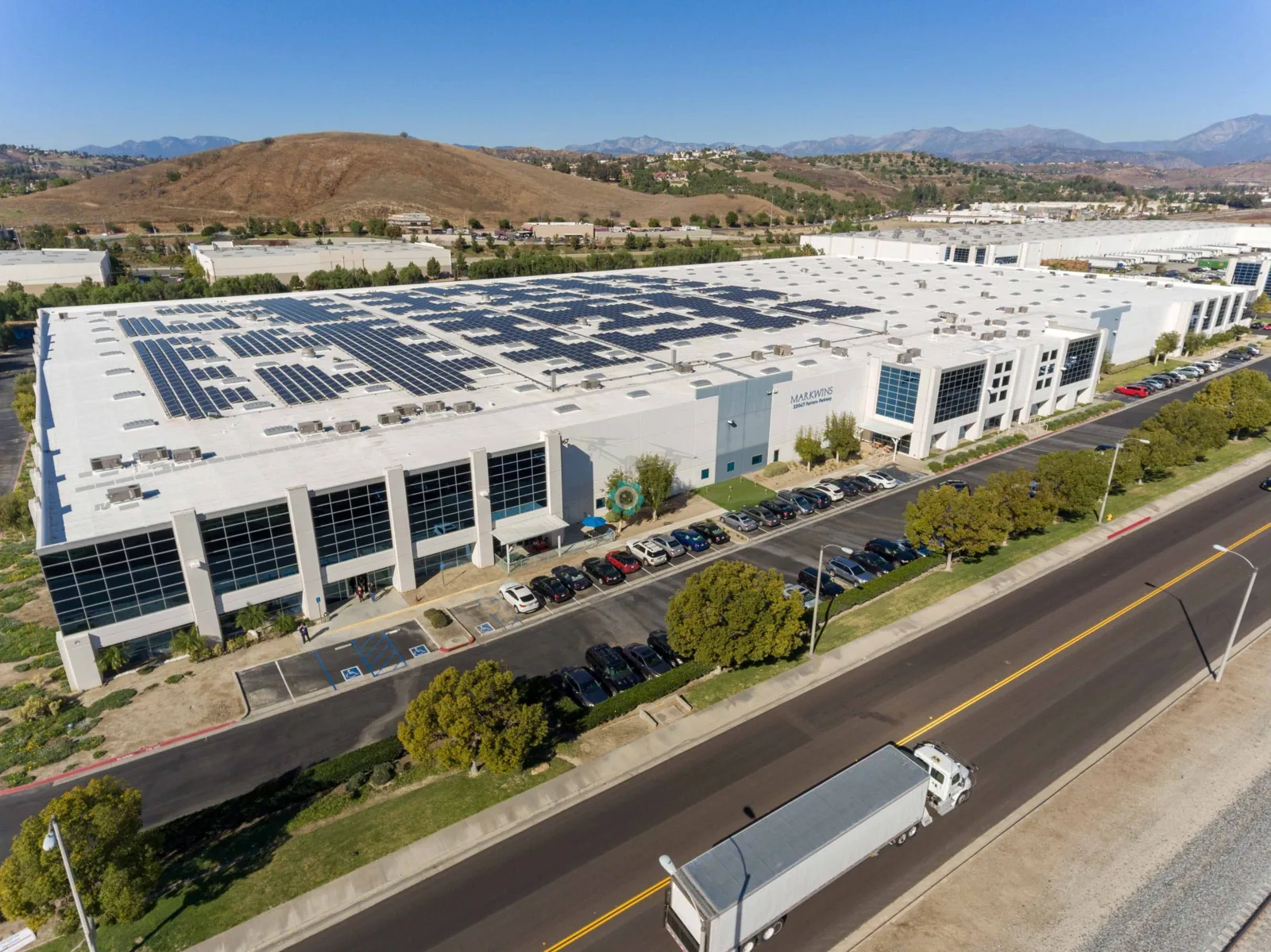
One row of lifted fasteners along the north wall is a finding that says more than it first appears to. On a big-box store, a single row can mean a deck that has moved, an adhesive that has aged or a sheet that is pulling against a parapet. We photograph the row, count the lifted heads, mark the wall and number the entry. That entry becomes the first line of a roof record a regional facilities team can compare across stores in Kenosha, WI, and the counties around it.
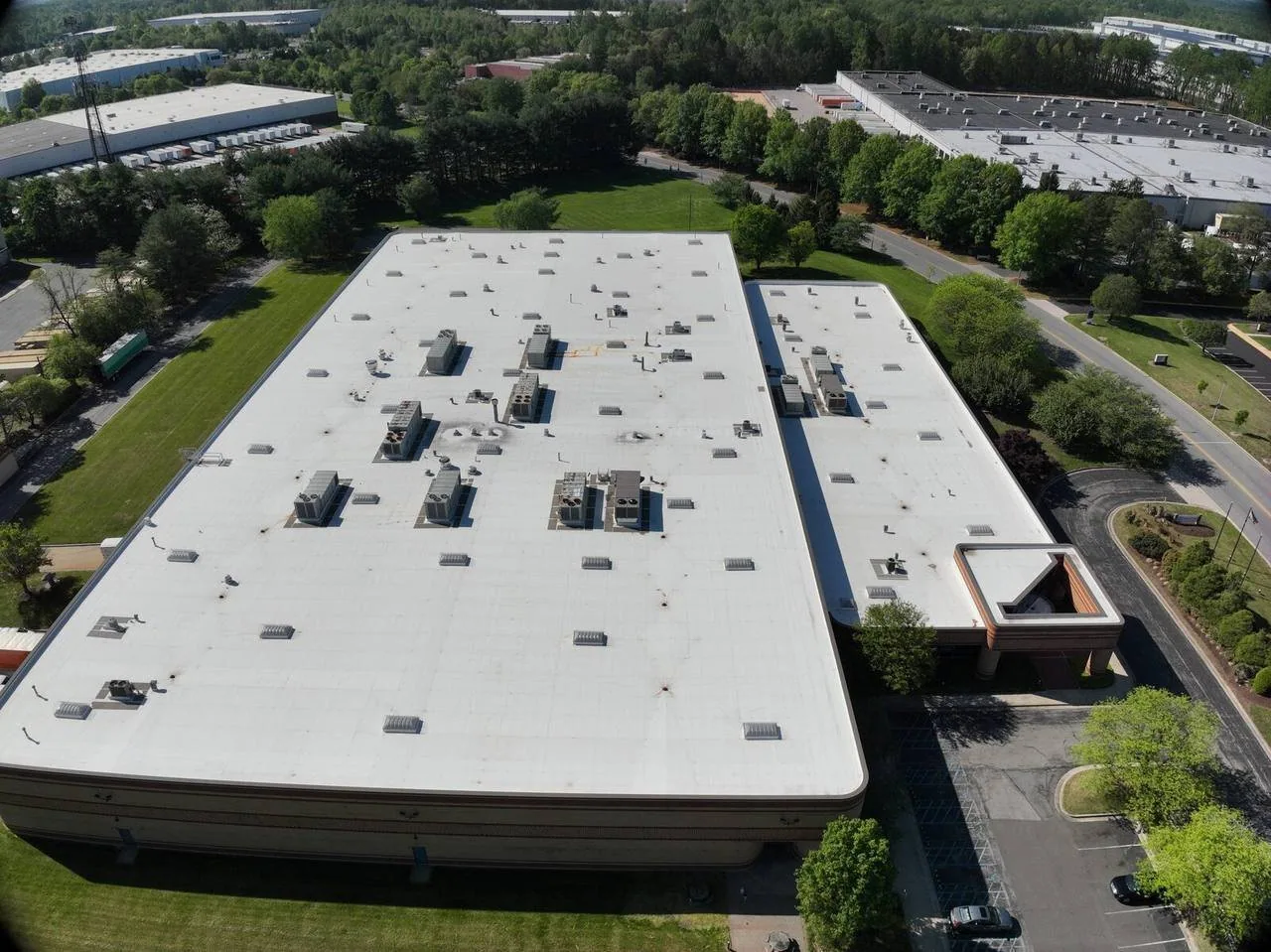
A large store has a wide field and few features. Most of the roof is membrane laid over insulation on a steel deck, attached by a grid of fasteners or by adhesive or ballast. The grid matters. Each plate carries a share of wind uplift, and each plate is a place where a bump or a crack can start.
The inspection walks the field in lanes, pressing along fastener lines to feel for raised heads and soft insulation. We photograph findings against a scale, mark them on a grid drawing and give each a number. A count of lifted fasteners per row turns an impression into a measure, and a later inspection can repeat the count to see whether the number has changed.
Seams get the same treatment. We probe laps along their full length, mark any open edge and measure its width. A seam open less than a fingernail is logged as a watch item with a date to recheck. A seam open wider than that goes on the repair list with a photograph beside it. Over a few seasons, the watch items show whether the sheet is shrinking, which is a finding that affects the whole roof, not only one lap.
The field is the quiet part. The perimeter, the dock area and the equipment yard are where findings cluster. Edge metal takes the highest wind pressure, so a loose cap or an open joint there is rated high. Dock roofs sit below tall walls that shed water onto them, and the wall flashing wears first. Rooftop units each have a curb, a flashing and a path that technicians walk.
Each curb gets a line in the log: unit number, flashing condition, sealant state, nearby seam. Rooftop equipment curbs are among the most repeated findings on large stores, because a store holds many units and each was installed or replaced at a different time. A list of curbs sorted by condition tells the facilities director which ones to reseal in a single visit.
Drains and scuppers are flushed and recorded too. Water that stands more than a day after rain is logged as a ponding record, with a photograph of the dirt line and a depth reading. A ponding record on a store roof usually traces to a clogged outlet or a settled deck, and the entry says which one the evidence supports. The same list tells the grounds crew where debris collects.
Kenosha winters bring 36.2 inches of snow on average, and readings on record run from minus 31 in January 1985 to 105 in July 2012. A wide, flat roof sees every degree of that range as movement. Membranes shrink in cold and relax in heat, and seams, laps and flashings take the strain.
For a big-box store, the spring walk after the snow is where winter findings appear: split laps, ice damage at scuppers, compressed insulation under drifts beside tall walls and equipment screens. Two blizzards, January 1979 at about 19 inches and Groundhog Day 2011 at about 23.2, show what a single storm can do. After a storm of that scale, a dated walk documents conditions before cleanup, and the record supports any snow and ice damage claim.
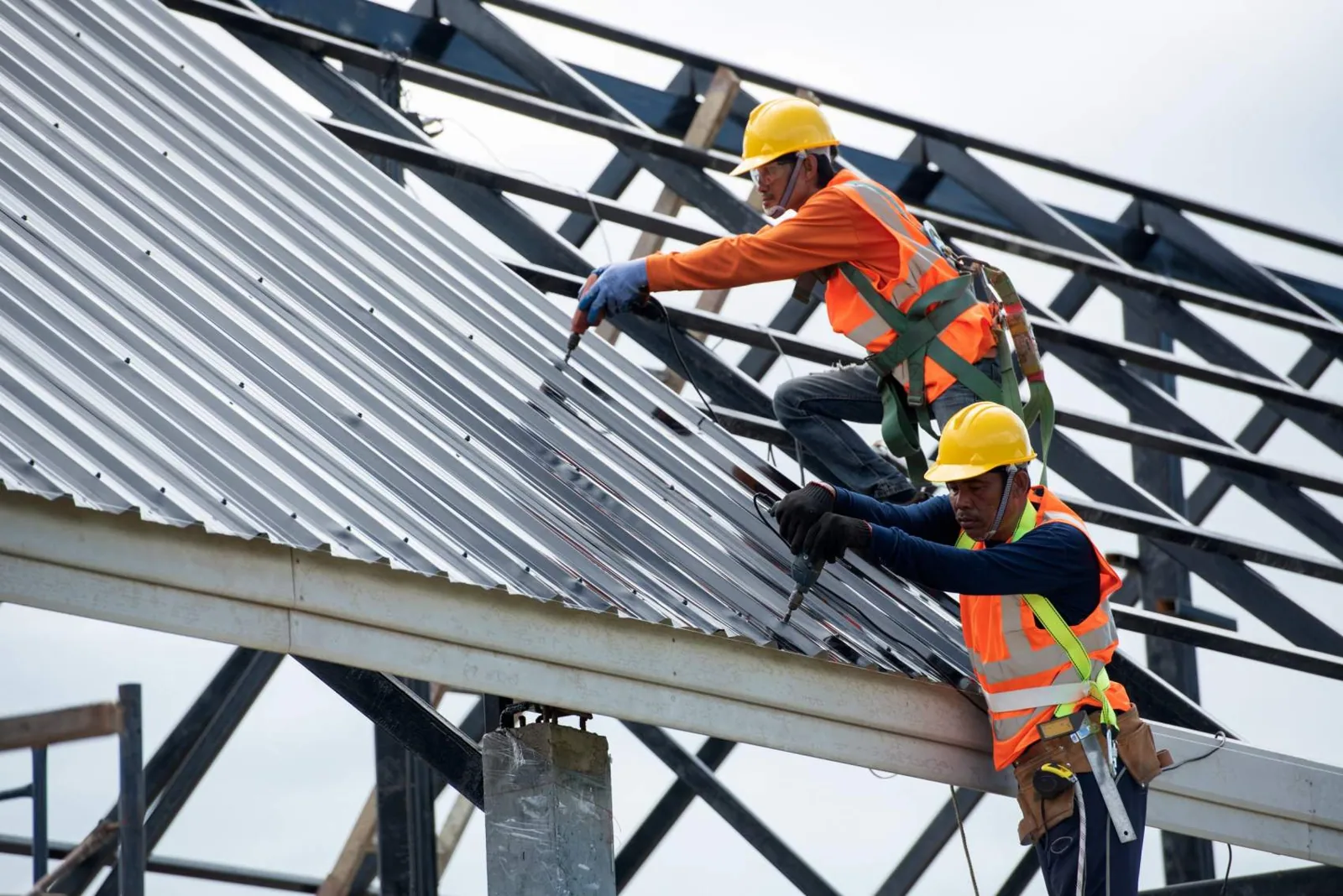
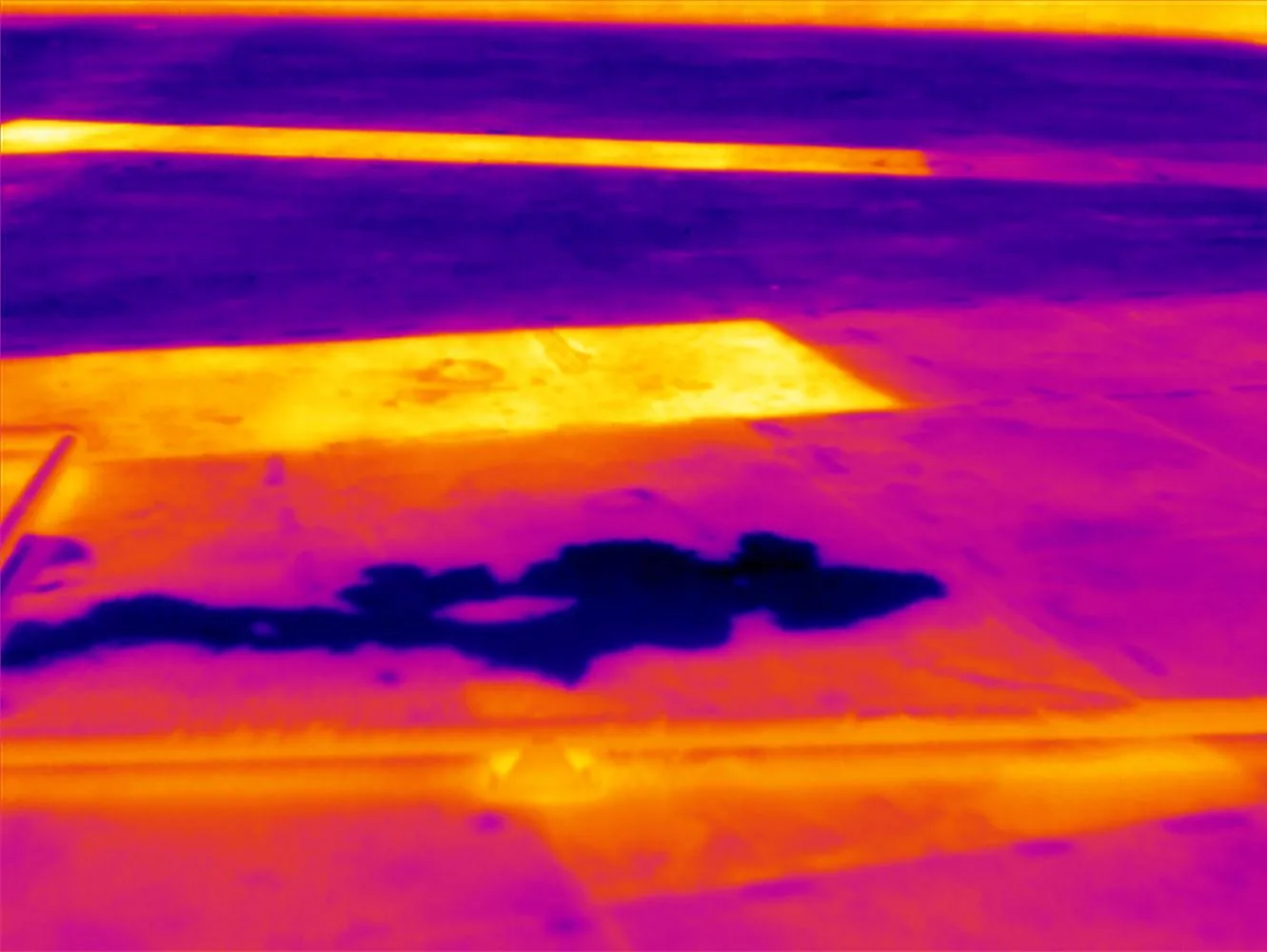
A large roof can hold wet insulation for years without a visible leak, because the store's ceiling and its warm air hide the symptoms. An infrared moisture survey scans the field quickly and marks areas of trapped water. Cores follow, cut at the wet readings and at one dry control spot, with each layer recorded.
The cores answer the decision questions. Is the insulation wet, and how much of the roof is affected? Can a recover go over what is there, or does the wet layer need to come out? A recover over wet insulation fails, so the core is the proof. The survey map and the core photographs go into the report, and they stay on file for the next inspection.
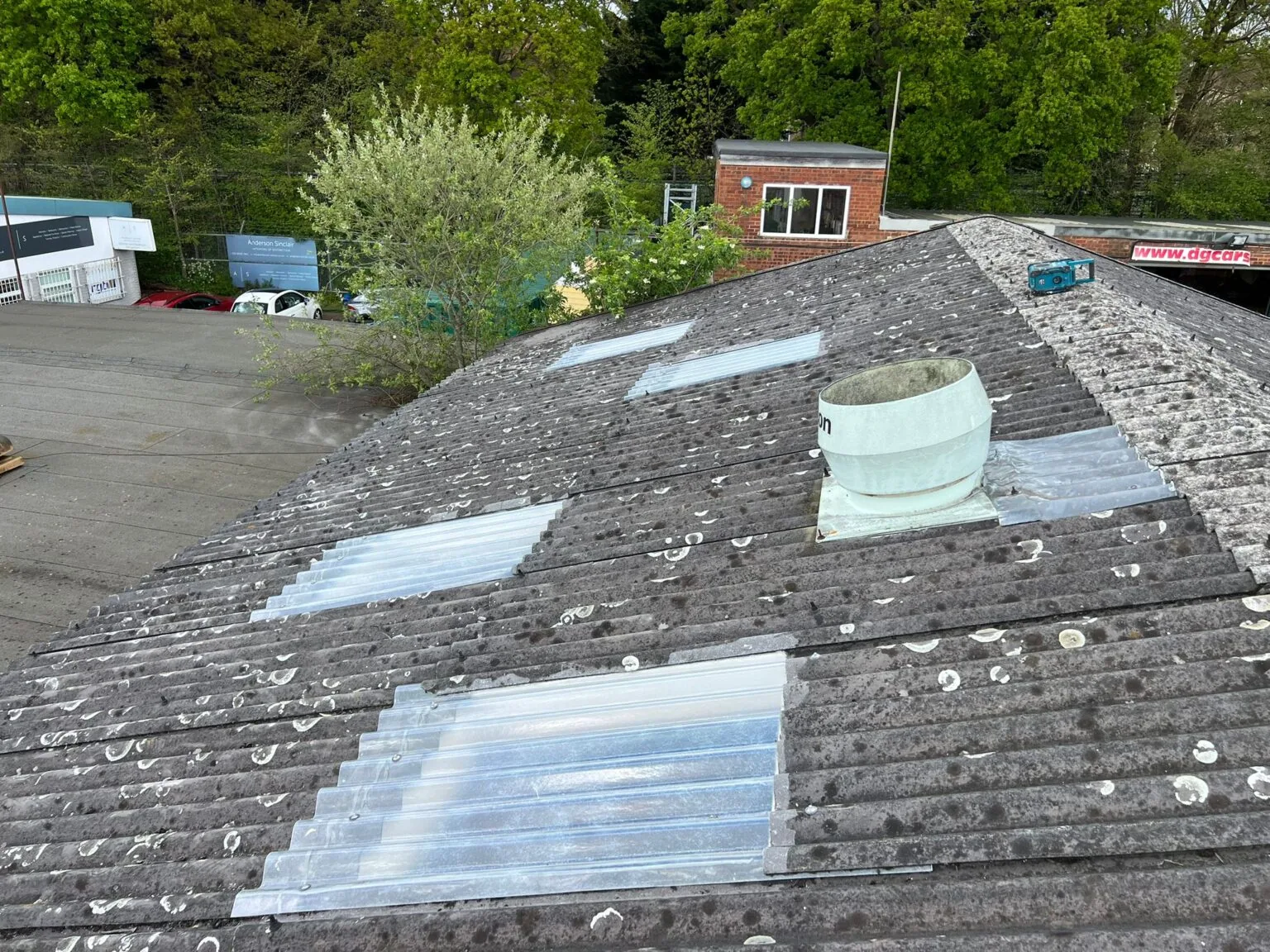
Regional retailers hold many stores, and each store has its own roof, age and warranty. A multi-site roof program scores each store the same way, giving every roof a rating, a life estimate and a priced range of options. The regional office can then rank stores, fund the worst first and plan a replacement cycle.
Pleasant Prairie, Gurnee and Waukegan sit along the same I-94 corridor, and a retailer with stores in all three can compare them on one table. The program also tracks warranty terms, inspection dates and open work orders, and it flags any roof where a required inspection has lapsed, since a missed inspection can complicate a warranty claim. When a manager changes, the file tells the new manager what was found and what was done. A shopping center with several tenants has a more complex map, while a single-store lease is simpler to document.
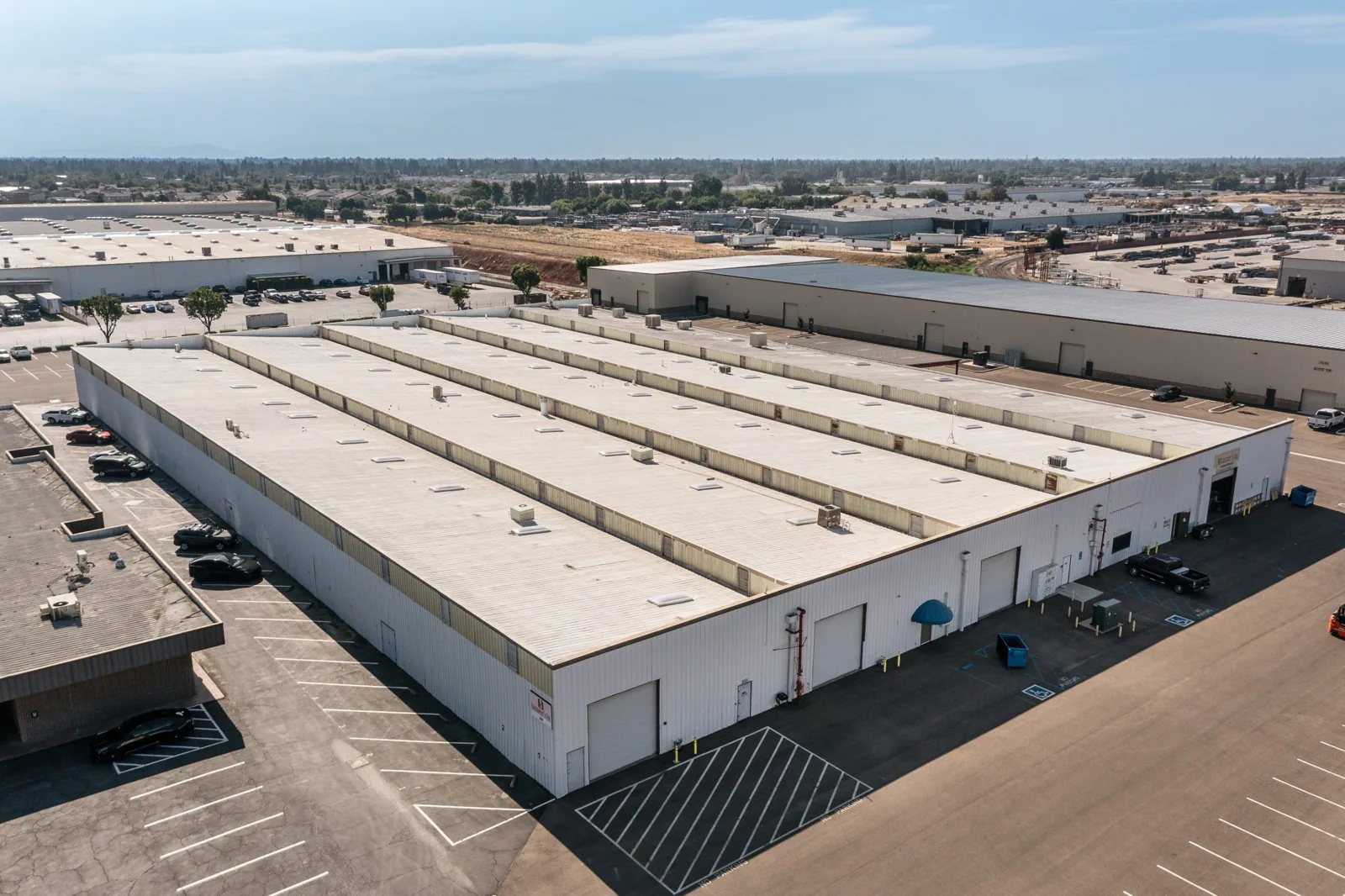
Stores stay open during roof work, and the record has to show how. We note the sections opened each day, the entrances protected, the equipment shut down and the time each section was closed in. That log protects the retailer if a question arises about a leak or a disruption.
The finished package carries before and after photographs, the as-built plan, material data, warranty papers and a list of open items. A grocery store adds refrigeration and food handling records. For a big-box store the package is shorter, but it carries the same discipline: every statement has a photograph and a date. When a store changes hands or a lease ends, the package can be handed to the next party without a call to us, and the findings stay readable.
Keep Reading
Rooftop unit curbs, equipment supports and pipe supports in Kenosha, WI: height, flashing and load paths checked and logged to protect the membrane.
Snow load and ice dam roof damage repair in Kenosha, WI: drifts, frozen drains and ice damage logged with dated photos, plan marks and ratings for each roof.
Infrared scans and core-cut verification for Kenosha, WI commercial roofs, producing a numbered moisture map that separates wet insulation from dry.
Recover systems for Kenosha, WI commercial roofs, approved only after core cuts, moisture mapping and a layer-and-load review are on file.
One roof program across many buildings from Kenosha, WI: shared inspection format, seasonal scheduling along I-94 and one reporting file for facility teams.
Commercial roofing in Pleasant Prairie, WI for LakeView and Prairie Highlands industrial buildings, with seam, drain and curb findings recorded and dated.
It can point to deck movement, aging adhesive or a sheet pulling against a wall. We count the lifted heads, photograph the row and note the wall, which lets a later walk show whether it is growing.
A large store usually takes a day with moisture mapping included. Smaller formats take less. The report follows with photographs, ratings and cost ranges.
Yes. The work is on the roof, and interior checks happen outside peak hours. We coordinate roof access with the store manager.
Every roof is graded against the same five categories, membrane, seams, flashings, drainage and penetrations, and a photograph backs each grade.
When cores show dry insulation and a sound deck. If moisture is found, the wet layer is removed first, and the core record shows why.
Store addresses, any roof plans, warranty files and the leak history by store. Partial records are enough for a baseline.