
What do you check first on a small commercial roof?
Parapet caps, wall terminations, the drain or scupper and any rooftop unit. A short list of details carries most of the leak risk, so each gets its own photo and rating.
Commercial roof inspection, repair and replacement in Lake Bluff, IL, for downtown business-district and village commercial buildings, with written ratings.
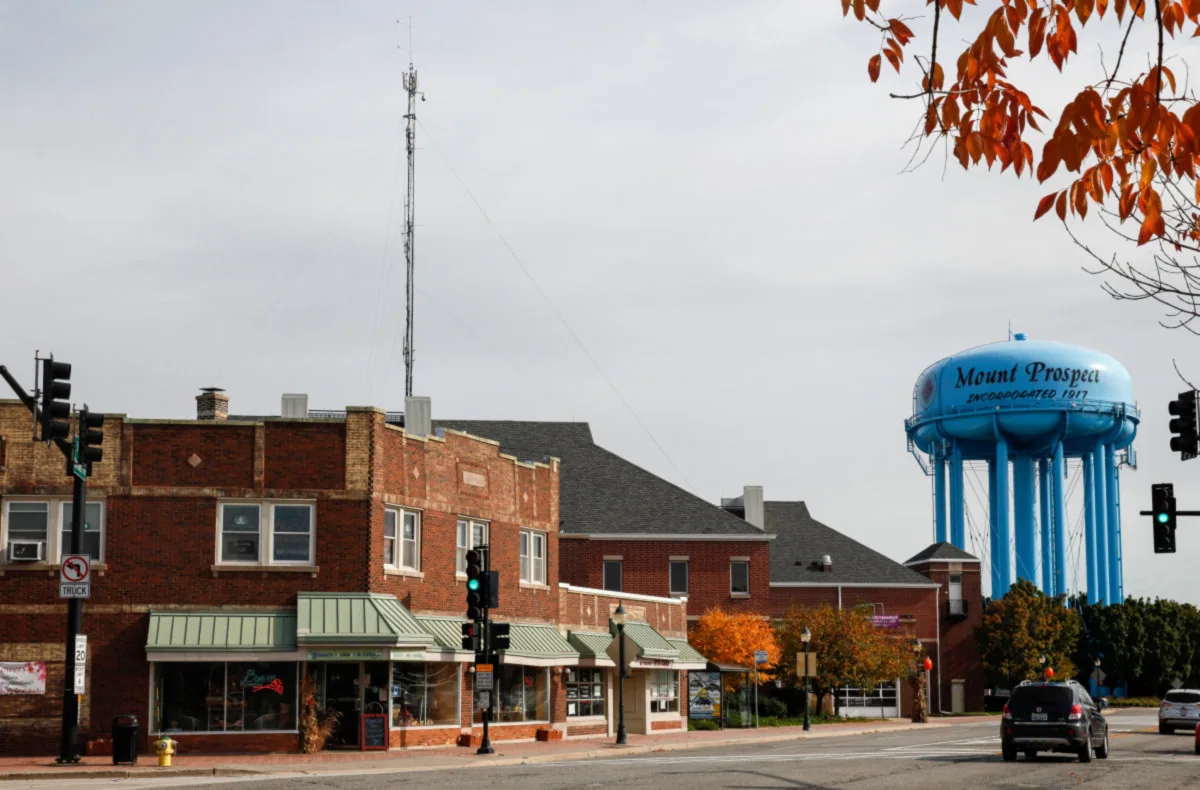
A parapet with a hairline gap at its cap is a typical finding on a small downtown commercial building. The photo shows the gap, the stain below it and the wall behind, and the record it creates tells the owner whether the wall, the cap or the roof edge is taking water. For commercial buildings in Lake Bluff, IL, where a central business district sits along Scranton Avenue, parapets and wall tie-ins are the first details we photograph.
Lake Bluff owners get inspection, repair and replacement for low-slope and metal commercial roofs. A walk there yields dated photos, a marked plan of the roof and a condition rating. The owner gets a written next step to hand to a contractor, a committee or a lender. After-hours emergency calls, holidays included, are answered.
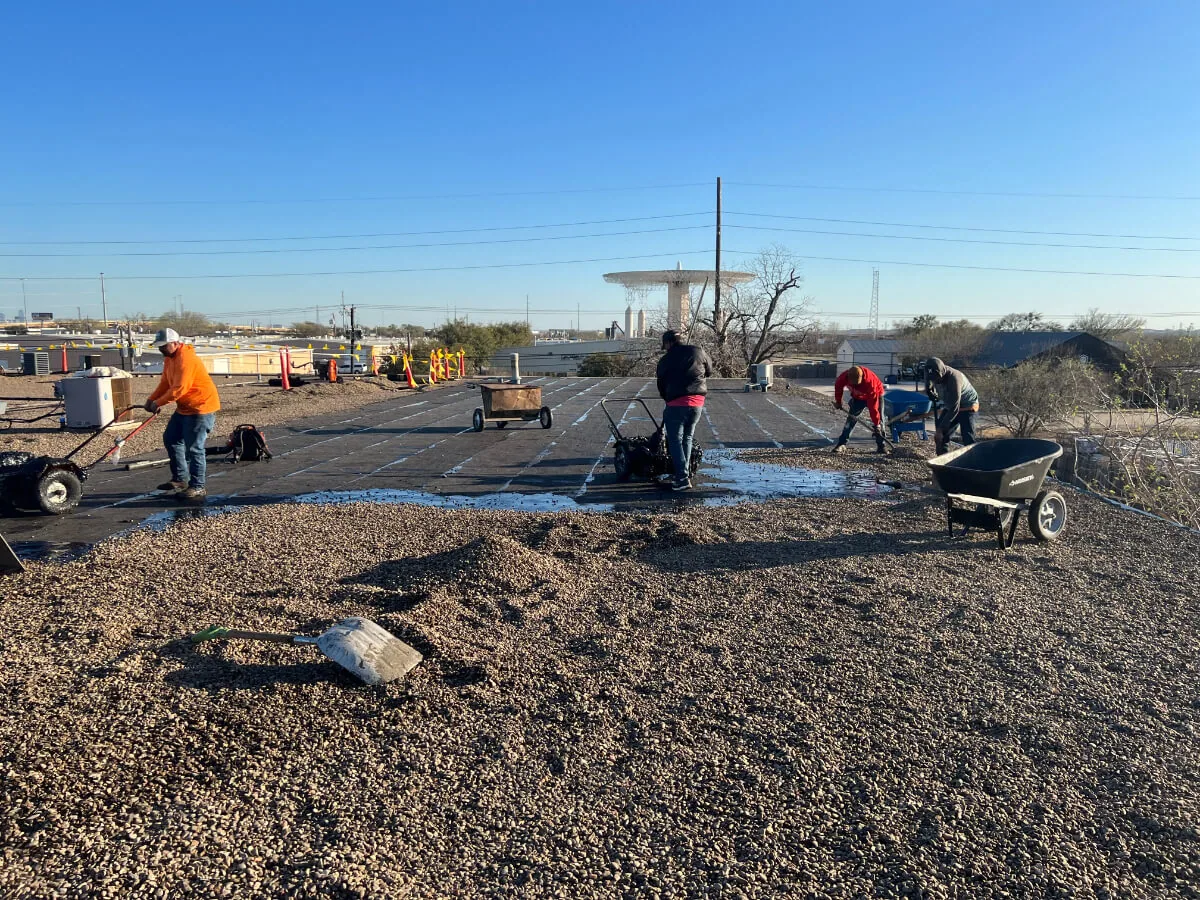
Scranton Avenue runs through Lake Bluff's central business district. US 41 passes through the western part of the village, with I-94 directly west and a Metra Union Pacific North Line station. The first walk records what each building holds and how its roof was built.
A small commercial building has a short list of roof details, and each one matters more because there are so few. Parapet walls, a single drain or scupper, a roof hatch, a few vents and a rooftop unit make up most of the finding list. A failure at any of them can send water into a tenant space within one rain. So the log gives each detail its own line, photo and rating.
Rooftop units on small buildings deserve a closer look than their size suggests. One unit on a small roof is a large share of the traffic, the weight and the penetrations. We check the curb, the flashing and the condensate line, and we note whether the unit sits directly over a tenant space or over a corridor. Condensate that discharges onto the membrane wears it in a ring, and the photo of that ring tells the owner to reroute the line.
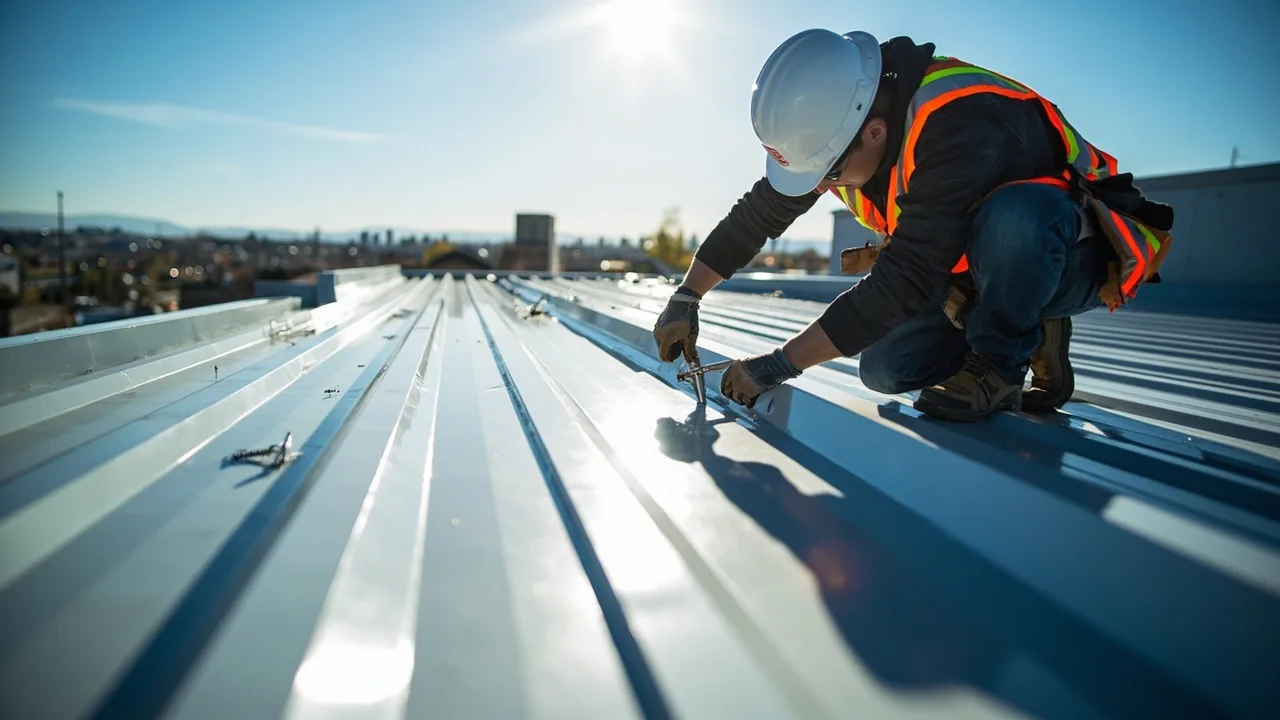
Buildings in a business district often share walls with neighbors. Where a roof meets a taller wall, the flashing must run up the wall and be covered by a counterflashing or a cap, and the wall itself must shed water. If the neighbor's wall leaks, the roof flashing takes the blame. We trace the water to its true source before recommending a fix.
The record notes who owns each wall and each flashing, so repairs can be assigned fairly. A photo of a failed termination bar on a shared wall is also a message to the neighbor. When both owners see the same dated photo, the conversation about who pays gets short. A penetration and flashing check is part of every walk for this reason.
Roof access in a small building is often through a tenant space. A ladder in a back room or a hatch over a stairwell is how crews reach the roof, and every visit crosses someone's floor. We schedule access with tenants, protect floors and keep a list of who holds keys. A clear access routine shortens inspections and cuts disruption.
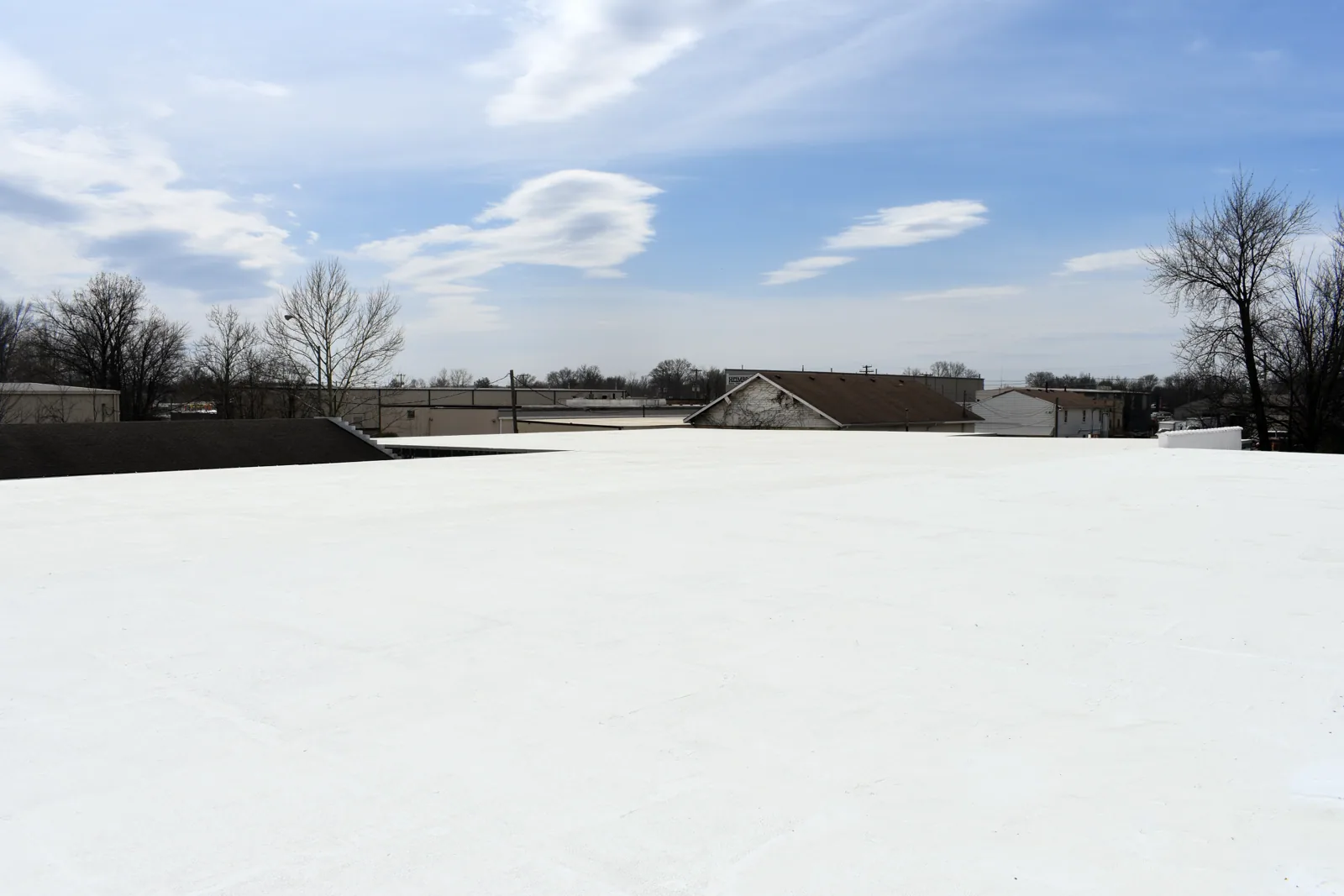
Small roofs have small drainage, and small drainage clogs easily. A single drain with a leaf pile, or a scupper blocked by ice, can hold water on the whole roof. We test each drain and scupper, photograph the water line after rain and log whether the pond clears within a day or two.
Winter makes it harder. Kenosha sees about 36.2 inches of snow a year and once fell to minus 31 degrees, in January 1985. Ice at a scupper holds water behind it, and freeze-thaw cycles work that water into small cracks. A drain and scupper check each fall and spring is the cheapest line in the maintenance plan.
Interior drains deserve a mention. A roof drain that connects to piping inside the building can leak at a clamp or a joint without any hole in the roof. When a stain appears under a drain, we check the piping and the clamping ring before assuming the membrane has failed. The finding is logged separately from roof findings so the right trade is called.
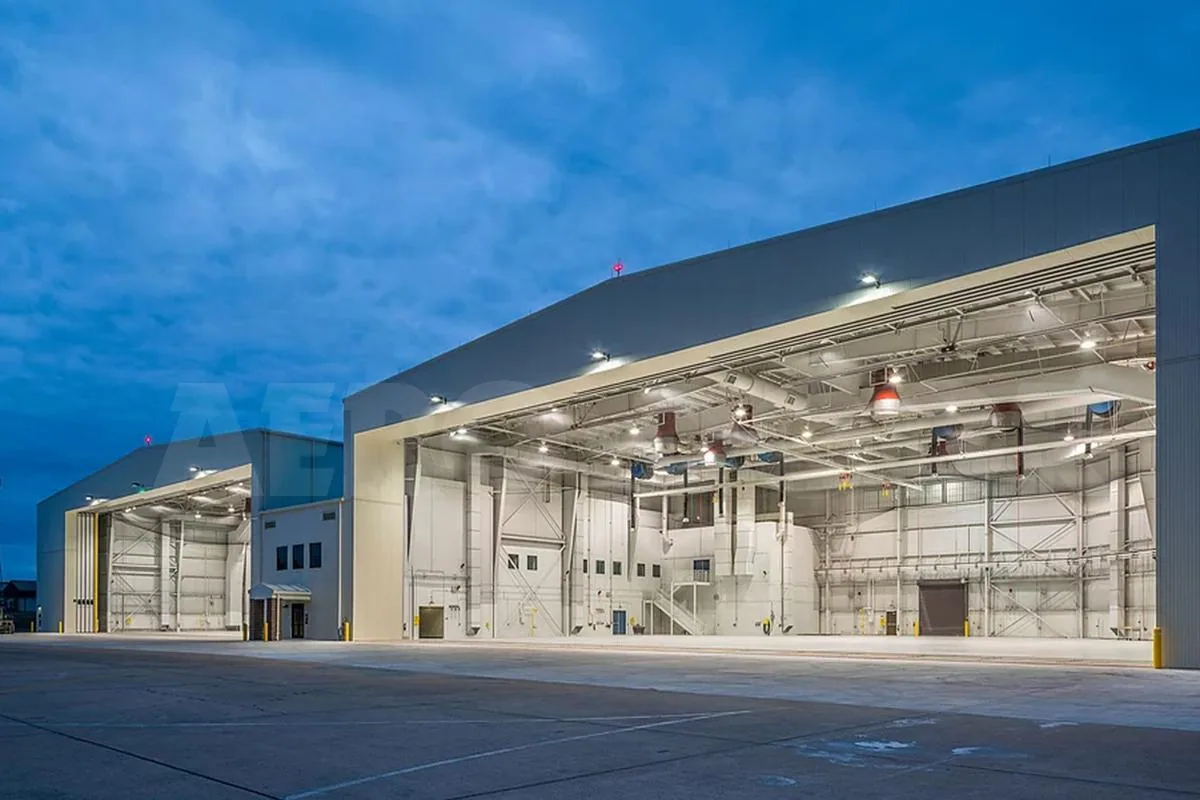
The record supports the decision. A roof with a few findings and dry insulation is a case for commercial roof repair. A sound roof with surface wear may be restored with a coating. A roof with wet insulation needs replacement, and a moisture survey with core cuts shows how much. Cost drivers are stated in the scope: wet insulation, access, parapet and flashing work, the number of penetrations and the system chosen.
Access is a larger factor on a downtown site. Lift placement, street or sidewalk protection, staging and permits can change the schedule. We confirm those on the first visit and write them into the plan, with notice to tenants and neighbors before work starts. Materials such as EPDM and TPO are common for small low-slope roofs and each has seam and flashing details that we explain in the scope.
Timing follows the calendar of the district. Some downtown tenants may rely on seasonal traffic, and an owner may want roof work done before a busy period instead of during it. We ask for those dates and plan around them, so the building is closed in before the busy weeks begin and the crew is gone when customers arrive.
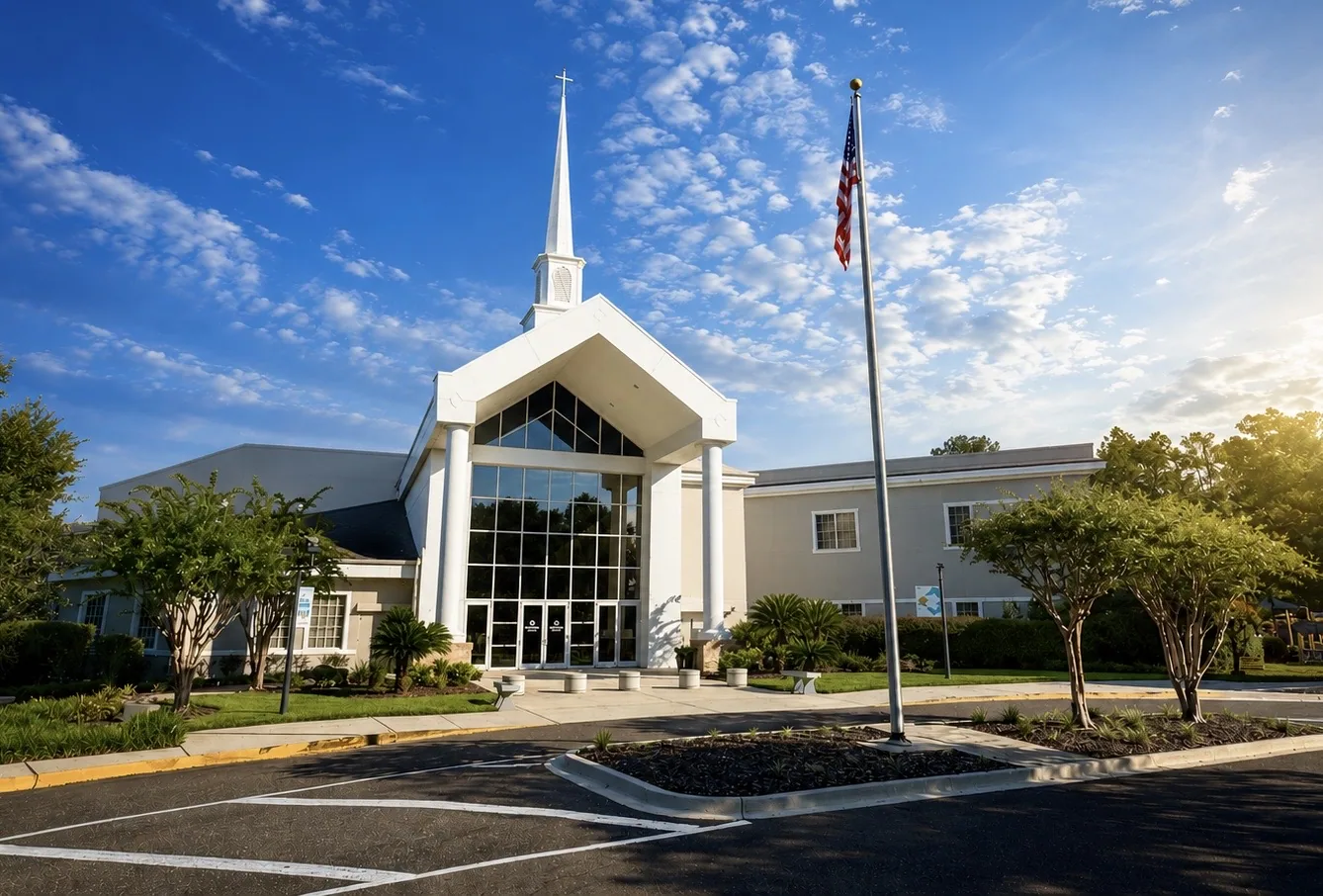
At close-out the owner receives the final photographs, a plan marking each repair, product data and warranty notes. An owner with buildings in Lake Bluff and in Lake Forest or Lake Villa receives the same format for each, so every roof can be compared on one scale. A dated file also helps after a storm, when new damage has to be separated from old wear.
Seasonal checks keep the file alive. A fall walk clears drains, checks caps and photographs seams before snow. A spring walk compares those photos against what winter left. Two short visits a year cost little, and they replace a surprise with a dated entry. Wind events are logged the same way: the January 7, 2008 tornadoes in Kenosha County are regional history, and the reason edge metal and parapet caps get a rating at every visit.
Keep Reading
Skylight, curb and penetration flashing repair in Kenosha, WI: pipe boots, pitch pans and curb details inspected, rated and logged for facility directors.
Roof drain, scupper, cricket and ponding correction in Kenosha, WI: drain checks, ponding records and slope fixes logged for facility directors.
Planned membrane, flashing and seam repair for Kenosha, WI commercial roofs, with dated photos, a marked roof plan and a written repair log for every visit.
EPDM roof inspection, splice repair and replacement in Kenosha, WI, with dated detail ratings, ponding records and capital-ready condition reports.
Commercial roof inspection, repair and replacement in Lake Forest, IL, for corporate, office and medical buildings, with drone surveys and written ratings.
Commercial roof inspection, repair and replacement in Lake Villa, IL, with access planning for village-center buildings and a written record of every finding.
Parapet caps, wall terminations, the drain or scupper and any rooftop unit. A short list of details carries most of the leak risk, so each gets its own photo and rating.
That depends on ownership and the lease. We document the source with dated photos, which gives both owners the same facts and shortens the discussion.
Yes, in phases. Tenants get notice, entrances stay protected and each section is watertight overnight; the loudest steps are saved for quiet hours.
On a first visit we work out where the lift stands, where materials are staged, how the sidewalk is protected and whether a permit is needed. Those decisions go into the scope in writing.
Tell us what the building is used for, how old the roof is if you know, where it has leaked and what past repairs cost. A roof plan helps. A written condition rating comes back for the work-order file.