
What do you need to answer a leak call?
The street address, the county, the section or room affected and a photograph if one exists.
Commercial roofing in Genoa City, WI: leak tracing, dated photo sets and condition ratings for buildings in a village that spans two counties.
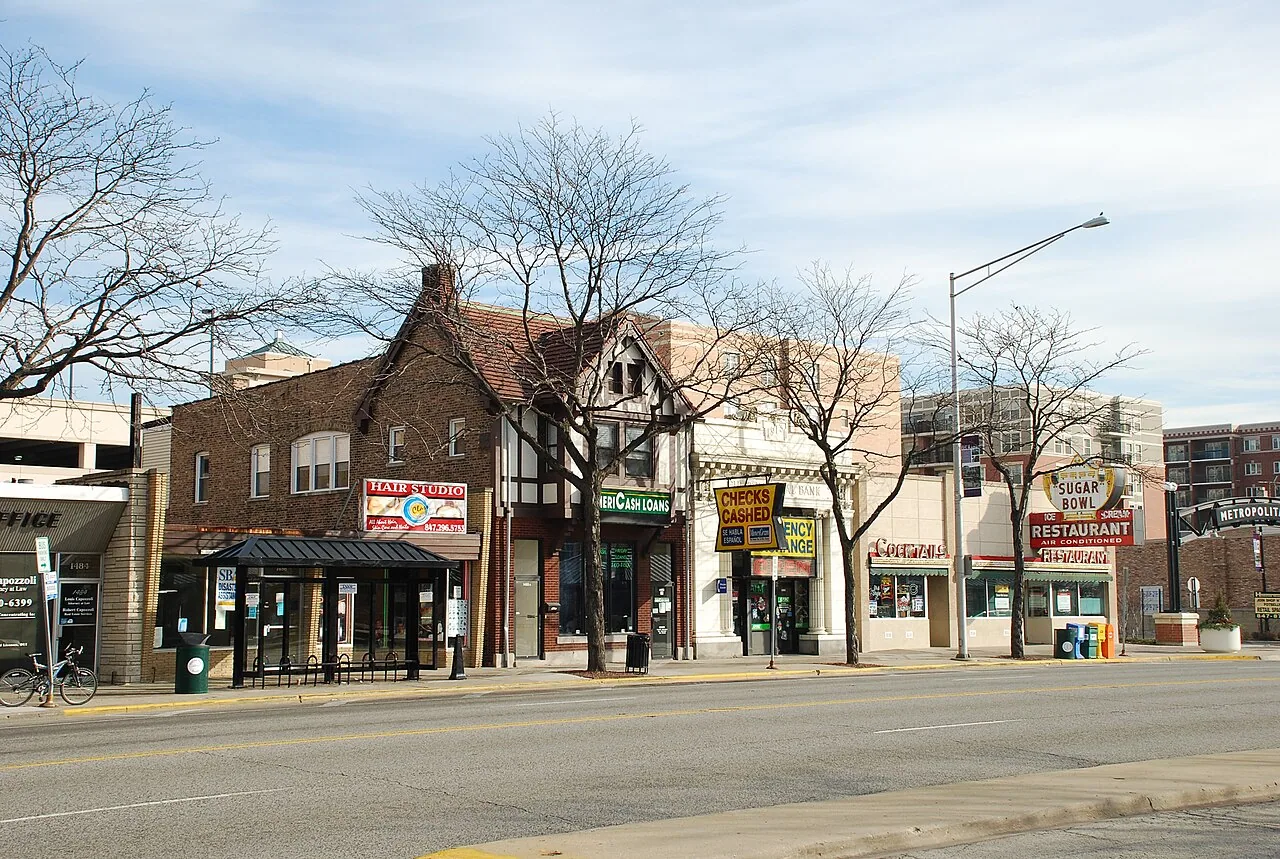
A leak report that names a building by its highway instead of its address is a finding about the record, not the roof. Nobody can open a file for it, nobody can tie it to a roof section and the crew sent to answer it spends the first hour finding the door. In Genoa City, WI, a village that spans Kenosha and Walworth counties, county trunk highways carry letters instead of names. County trunk highways B, H and U serve the Walworth side, and O and P serve the Kenosha side.
We fix the record first. A precise address, a numbered plan and a dated photo make every later visit faster.
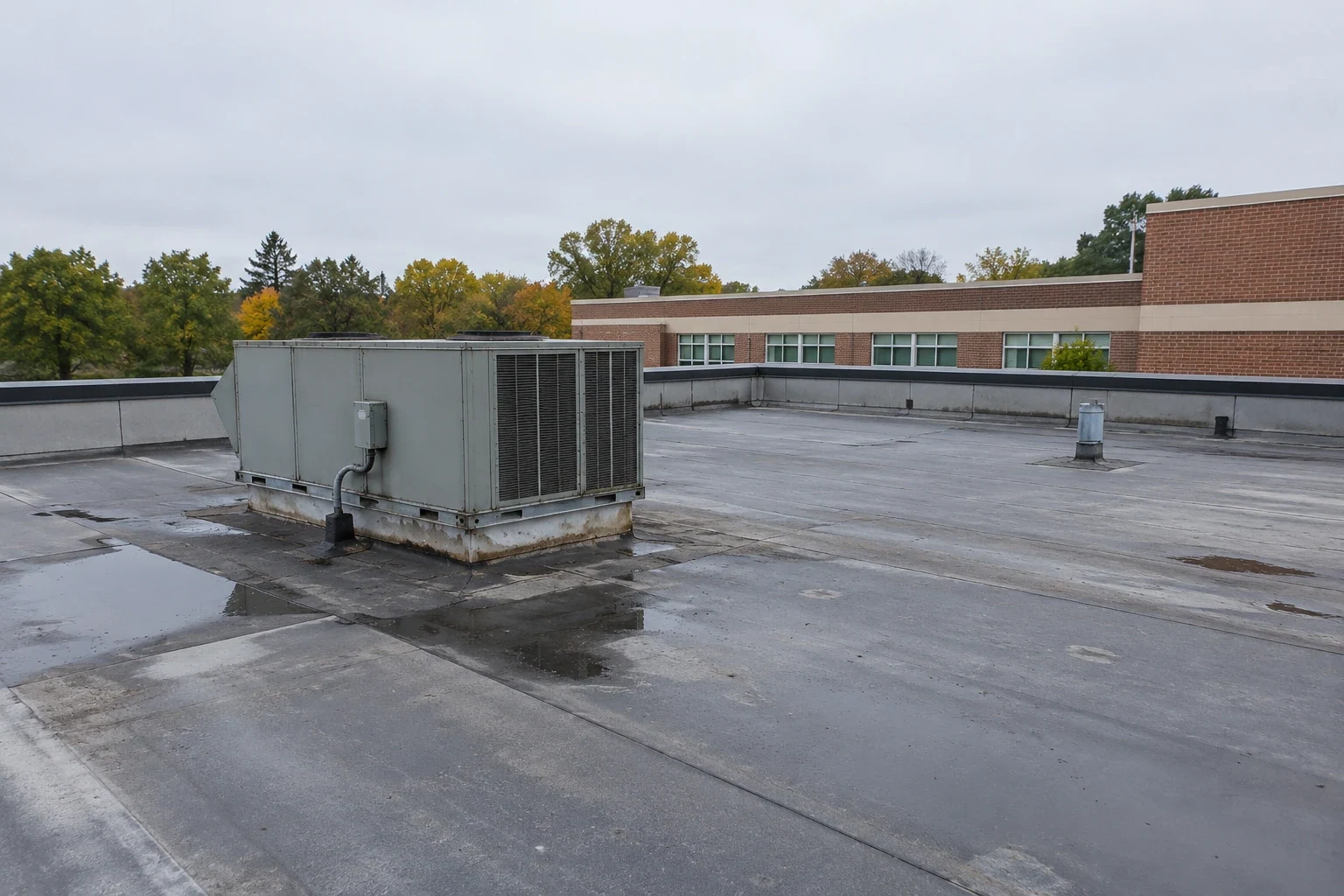
A roof file starts with two names: the building and the section. The building name is its street address, its county and its owner. The section name is a number on the roof plan. A leak report that carries both can be answered the same day, because the crew knows where to go and which part of the roof to open.
Reports without both names cost time and money. A crew that arrives with the wrong ladder, or at the wrong end of the building, must go back for equipment. We prevent that by building the plan at the first walk and giving the property manager a short form to use when a tenant calls: address, section number, time of the stain and a photograph if available.
The same discipline helps with interior reports. A tenant who writes "ceiling stain by the back office" gives the manager something to work with if the plan marks the back office under section 4. The stain is photographed, dated and added to the log, and the next time water appears in the same place, the log shows the pattern.
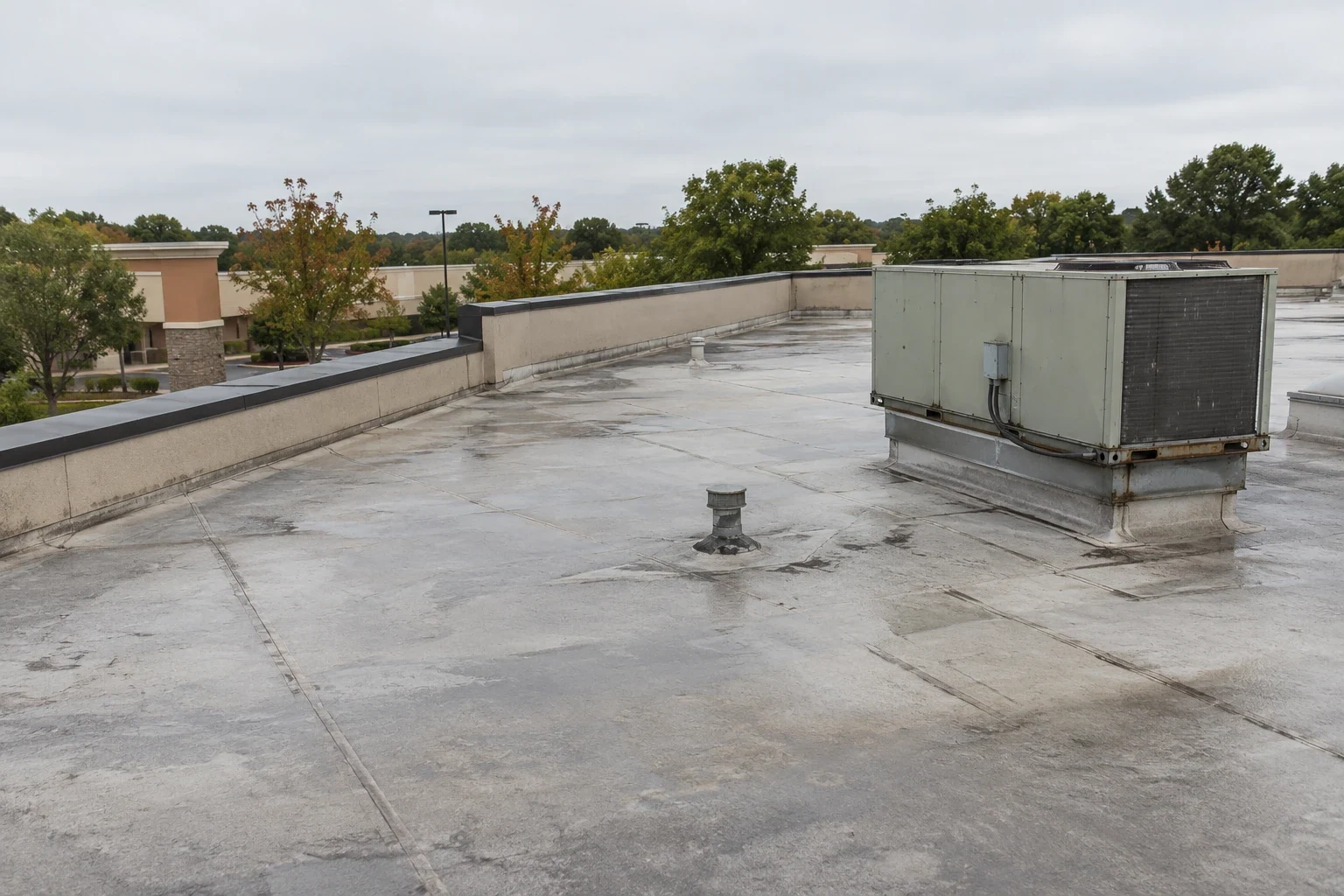
Because Genoa City spans Kenosha and Walworth counties, the parcel location belongs in the file. Assessments, permits and notices run through county and municipal offices, so each baseline report opens with the parcel, the county and the office that applies.
Commercial work in Wisconsin falls under chapters SPS 361 through 366, and SPS 361.05 is the section that adopts the International Codes; the state’s 2021 inserts and its 2021 IECC requirement for COMcheck apply to any replacement scope. A proposed replacement lists the code items that apply, so permit review brings no surprise.
Ownership can also cross lines. A building held by an owner in another state, managed by a firm in a third, and used by a tenant locally needs a file that every party can read. The baseline report names the decision-maker for each role, so the rating and scope reach the person who can approve them without delay.
U.S. Route 12 serves Genoa City, and WIS 50 lies six miles north of the village. Those routes are how trucks arrive, and they set the plan for material delivery and staging. At the first walk we note the approach, the space for a lift, the turning room for a truck and any hours when traffic or deliveries make the site busy.
The work order carries these notes, along with entry times and any area that must stay clear. The facility director then gives tenants a notice that matches the plan. A specific notice, naming the day, the area and the type of noise, produces fewer calls than a general one.
Weather affects access too. A gravel staging area that holds trucks in summer may not in March thaw, and we note the ground conditions at the first walk. If the surface is soft, the plan calls for mats or hard standing, and the scope includes them.
The work order also names who holds the roof key, so a crew never waits at a locked hatch.
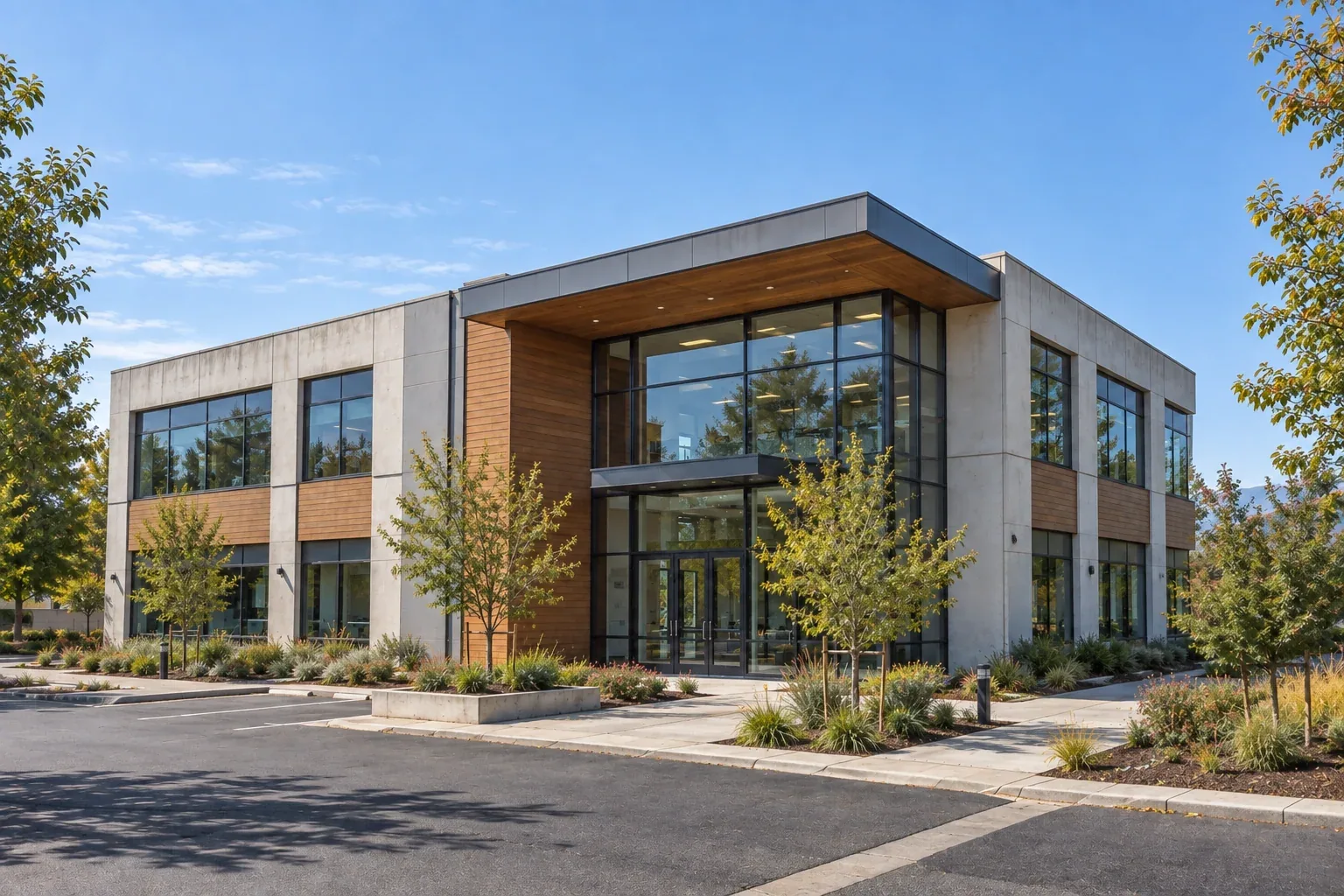
The walk produces a file that any manager can open. It contains:
The set works for any building size. A single-section roof receives a short plan and a short list. A multi-section roof receives a longer one. The format is the same, so an owner with a small building and a large one can compare them.
The file is written to be read by a person who has never seen the building. Photographs have captions, the plan has a legend and the findings are in plain language. A new manager can pick it up and act on it the same day.
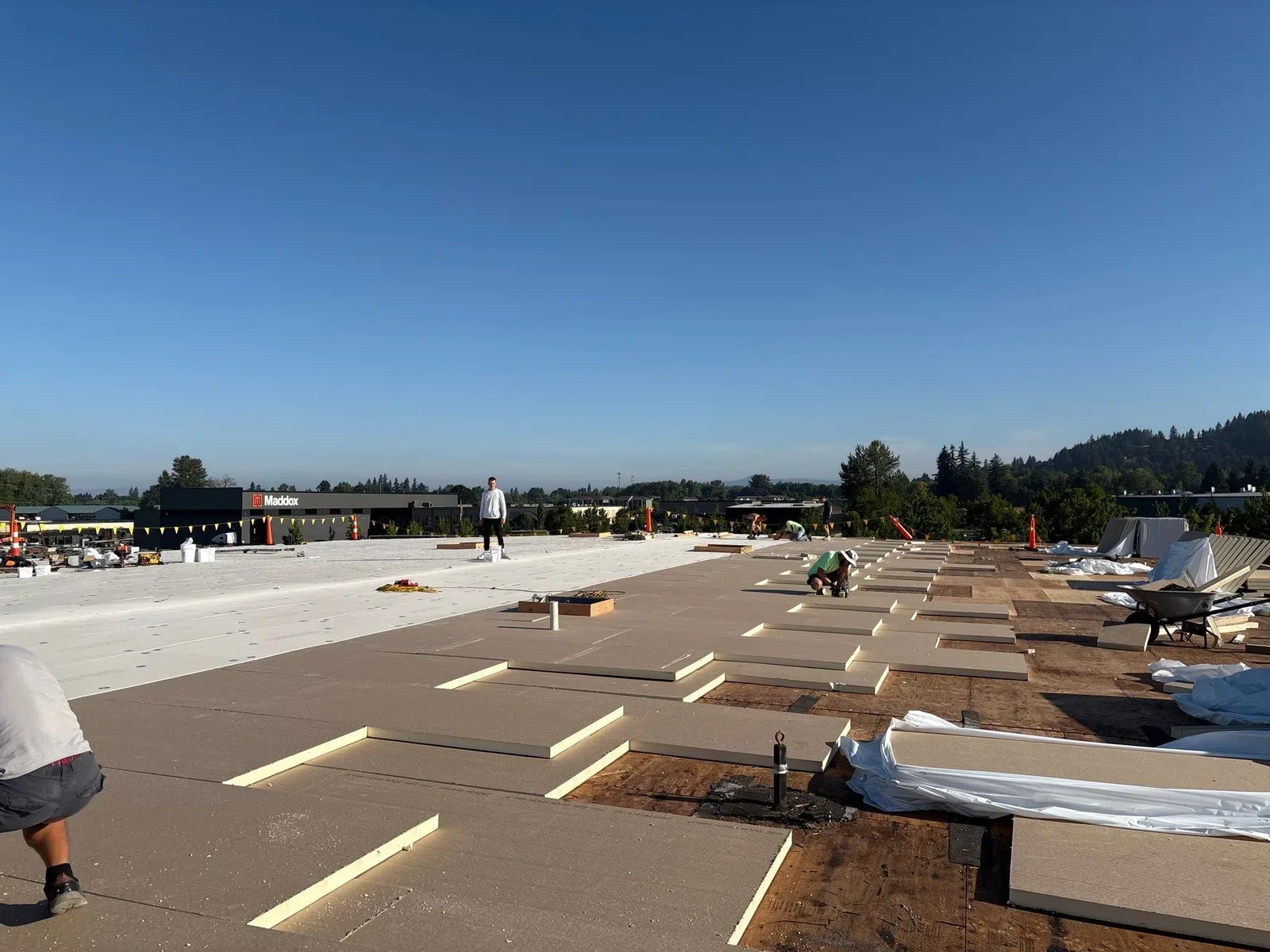
Kenosha’s record sets the frame: about 36.2 inches of snow in a year, a low of minus 31 degrees and a high of 105 degrees. Roofs that cycle through that range move at every joint. We log what each winter leaves: lifted seams, cracked sealant, split flashings and drains that held ice.
Drainage deserves its own line. A commercial roof leak repair often turns out to be a drainage repair, because water that stands near a seam finds its way through it. We photograph each drain, record whether it is clear and note where water stood after the last melt.
The spring entry compares each location with the previous year. A seam that was tight in fall and open in April is a finding. A seam that has been open for three springs is a pattern, and a pattern is the reason to move a section up the replacement list.
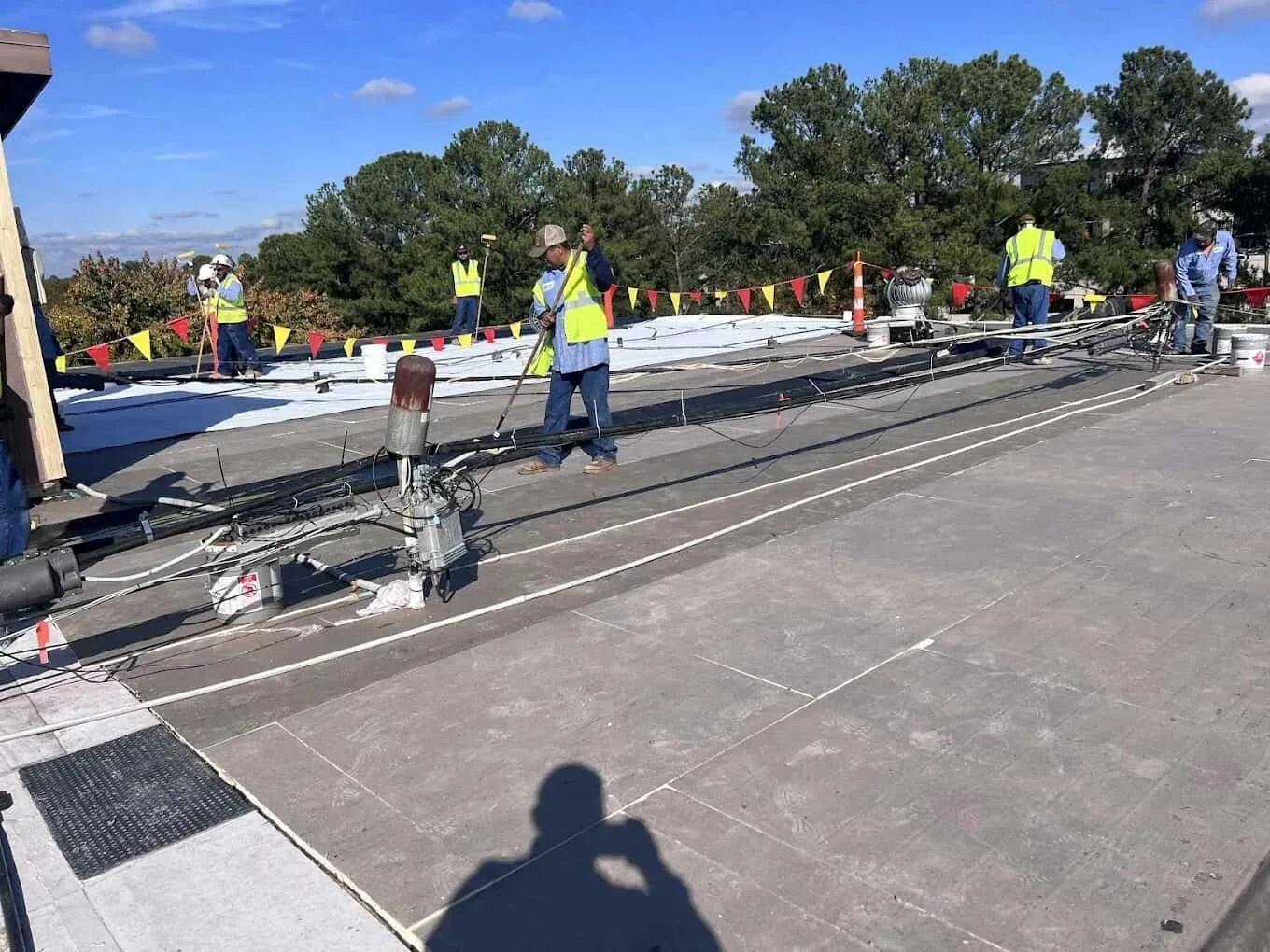
When the findings are in, the options are plain. Repair a bounded area. Restore a sound roof with a worn surface, which is the work of roof coating restoration. Replace sections with wet insulation, as in a commercial roof replacement scoped to the wet area. Each option is priced from its drivers: area, access, penetrations, insulation and system. At the end of the job the owner receives the final photographs, the marked roof plan and the list of materials. Owners with sites in Twin Lakes or Salem Lakes can use the same format, and a wider view of condition sits in roof condition reports.
The close-out package is the last page of the job and the first page of the next. It lets a lender, buyer or insurer see what was done, where and when. For a small building with a single owner, it is also a record of care that supports resale.
Keep Reading
Leak tracing and repair for Kenosha, WI commercial roofs, built on interior photos, a leak history log, moisture mapping and a written cause finding.
Roof coating restoration in Kenosha, WI: core cuts, adhesion tests and moisture surveys decide whether a sound roof can be coated to extend its service life.
Full tear-off and replacement for Kenosha, WI commercial roofs, run from a documented core survey, written condition ratings and a close-out package.
Commercial roof inspection and repair in Twin Lakes, WI, with dated photo sets and scheduled checks for buildings used in bursts or left empty for stretches.
Commercial roofing in Salem Lakes, WI for school, community and commercial buildings, with dated findings, moisture surveys and rated condition reports.
Written roof condition reports with dated photos for Kenosha, WI buildings: numbered findings, moisture data, condition ratings and a repair-first list.
The street address, the county, the section or room affected and a photograph if one exists.
Yes. Permits, assessments and notices follow county and municipal lines, so the file names the parcel and the office.
The first walk records the approach, lift space and turning room, and the work order lists them.
A plan, a dated photo set, any core cuts, a condition rating and a ranked list of findings.
Night or day, holidays included. We stop the water first and open a file entry with the address, county and section.