
When should an inspection happen for a school building?
Early enough that the rating arrives before the capital request is due. Fall and winter walks give the longest lead time before the summer work window.
Commercial roofing in Burlington, WI for schools, campuses and business buildings: dated inspections, condition ratings and capital-ready roof records.
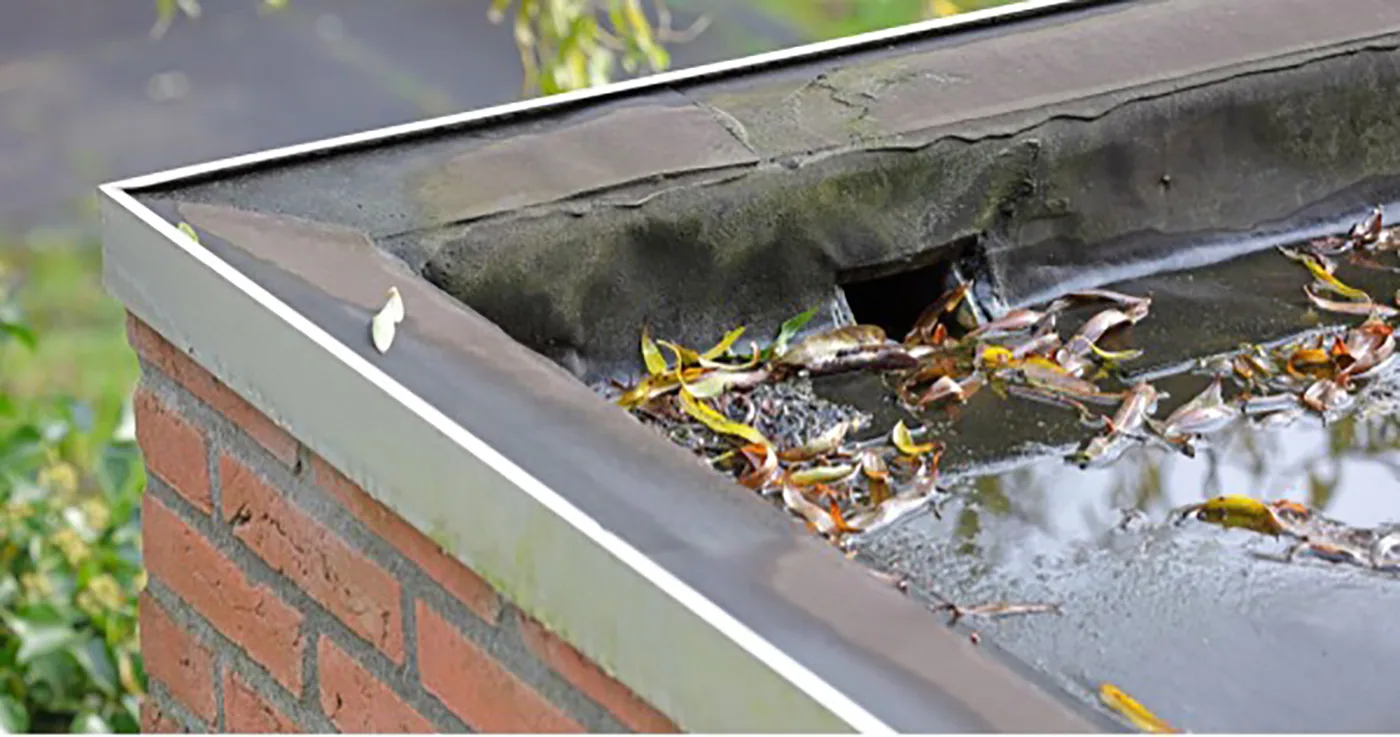
A ponding line photographed along the low edge of a flat roof in June, and again in September, tells a facilities office more than a verbal report ever could. The two dated images show whether water leaves the roof or stays on it, and the comparison becomes a finding with a location and a rating. In Burlington, WI, where a Gateway Technical College campus and the Burlington Area School District are among the institutional employers, that kind of record supports the budget requests that institutions must justify line by line.
We build the record first and let the repair scope follow it.
Education buildings run on a calendar. Classrooms are full from late summer to spring, and the months in between are when roof work can happen with the least disruption. That makes the inspection date matter. A walk in the fall gives time to rate each section, request funds and schedule work before the next school year. A walk in the summer shortens the lead time and tends to push repairs into the following year.
We therefore ask for the building list and the academic calendar together. The first walk is timed so the written condition rating arrives before the capital request is due, with enough notice to plan access and noise around occupied rooms.
Occupied rooms set the pace of the work. Corridors, labs and gym floors cannot take dripping water, so any roof area above them is rated with extra care. We mark those zones on the plan in a separate color, which tells a crew where a temporary cover must go first if a storm arrives before the permanent work is done.
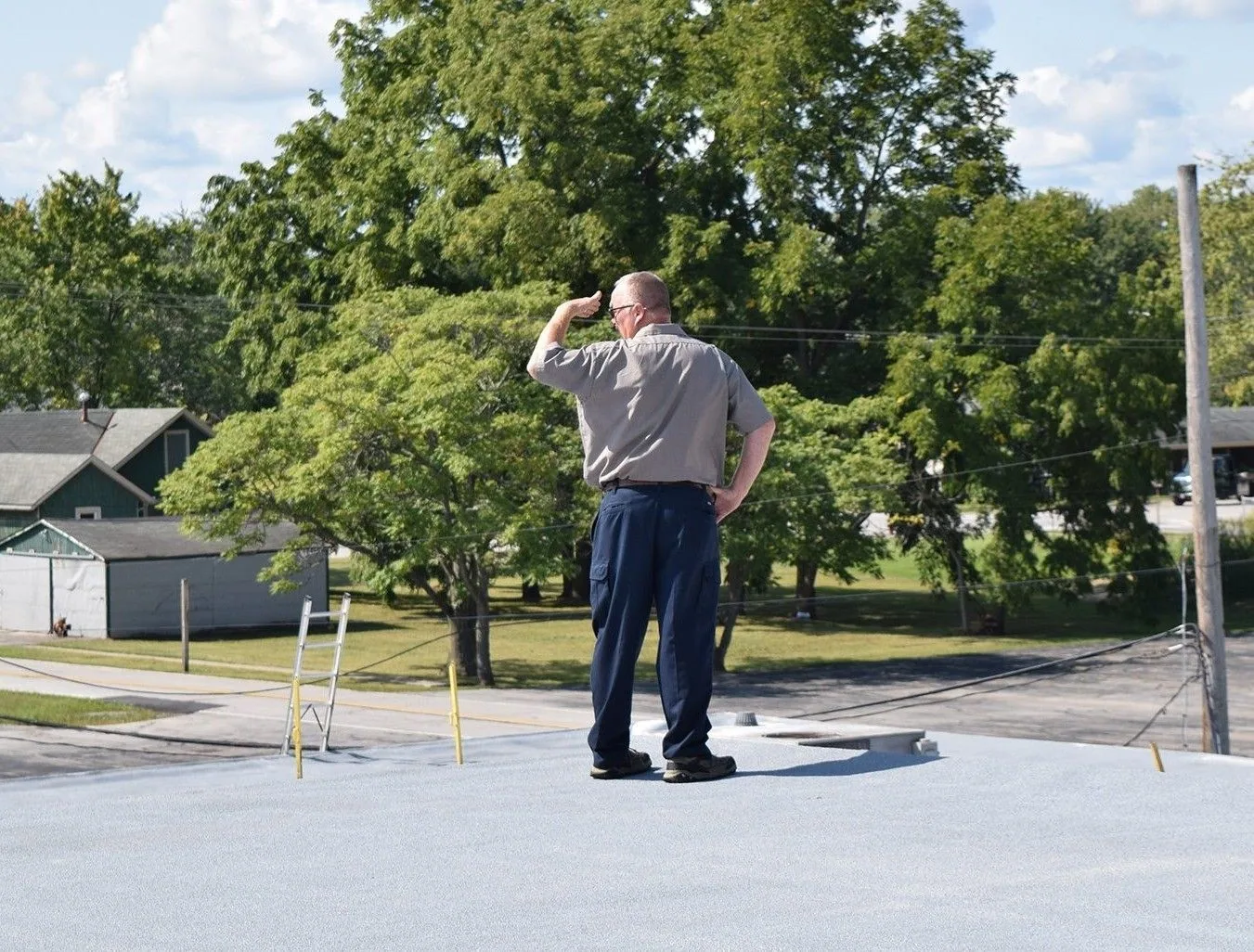
Institutional roofs often have several sections of different ages, joined at walls, steps and mechanical rooms. We number each section and rate it on its own. The walk produces these records:
The package lets a board or a business office see that money is going to the section that needs it first, and it gives the next inspector a baseline to compare against.
Equipment gets its own pages. Rooftop units, exhaust fans and skylights each have a flashing detail that can fail separately from the membrane, and the baseline report rates them one by one. If a unit is due for replacement, that is the best moment to rebuild its curb, and the report flags it for coordination with the mechanical schedule.
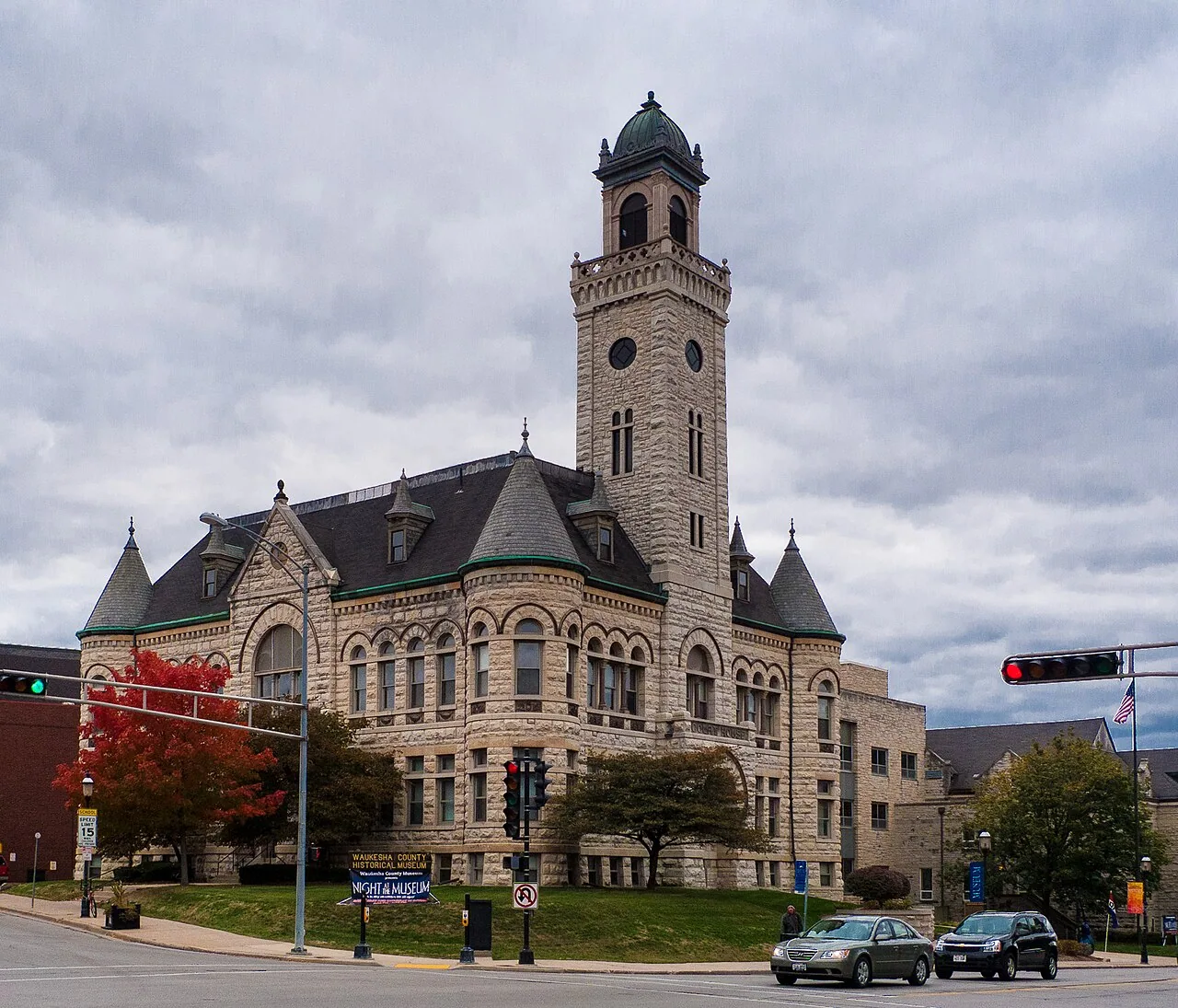
Most of Burlington lies in Racine County, and part of it lies in Walworth County. For a roof file, that split means the parcel location belongs in the record. Permit questions, assessments and public notices follow the county and municipal lines, and a facility director who manages several sites wants each file to say which jurisdiction applies.
We note the parcel and the permitting office in the baseline report at the start. The state's commercial rules fill SPS chapters 361 to 366, and SPS 361.05 is where the International Codes are adopted. When a replacement is proposed, the scope states which code items apply, so there is no surprise at the permit counter.
The same discipline applies to ownership. A technical college campus, a school district and a private building owner each answer to a different board or office. The file names the decision-maker for each building, so the rating and the scope reach the person who can approve them.
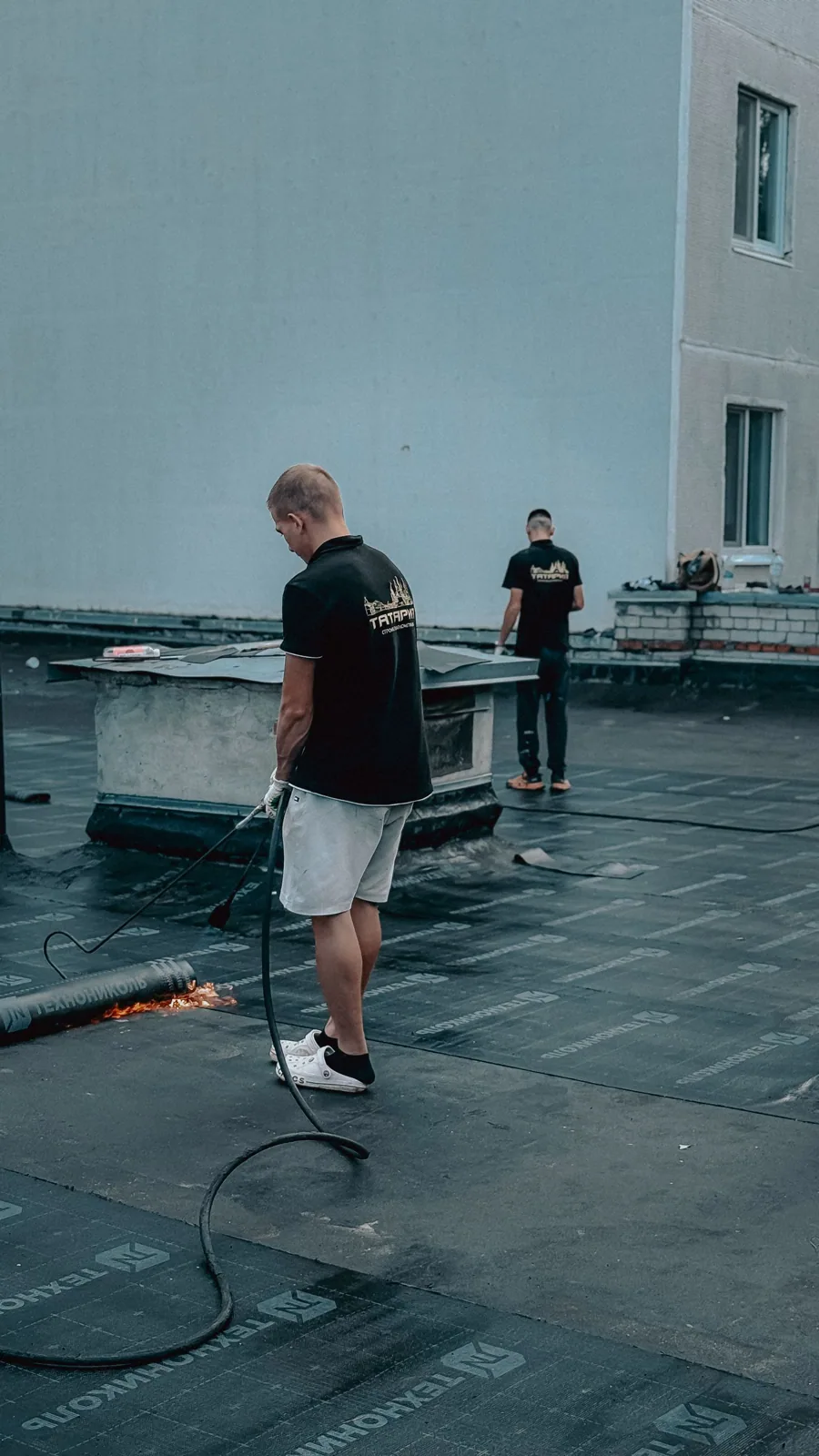
Kenosha's winter record frames the work: close to 36 inches of snow a year, and an all-time low of minus 31 degrees in January 1985. Wide-span roofs such as gymnasiums, shops and assembly halls carry snow across long distances, and they move with the temperature. Drainage is where that movement shows first.
In the winter walk we check scuppers and drains for ice, look for sagging or ridged membrane near expansion points and photograph any stain on the ceiling below. In spring, the same locations are photographed again. Where something changed, the entry says so. Where nothing changed, the entry says that too, which is as useful to a budget committee as a defect.
Freeze-thaw cycles are hardest on details, not fields. Flashings at walls and curbs, laps at the edge of a section and sealant around penetrations take most of the movement. A dated close-up of each detail, repeated every spring, shows whether it is holding or slowly opening.
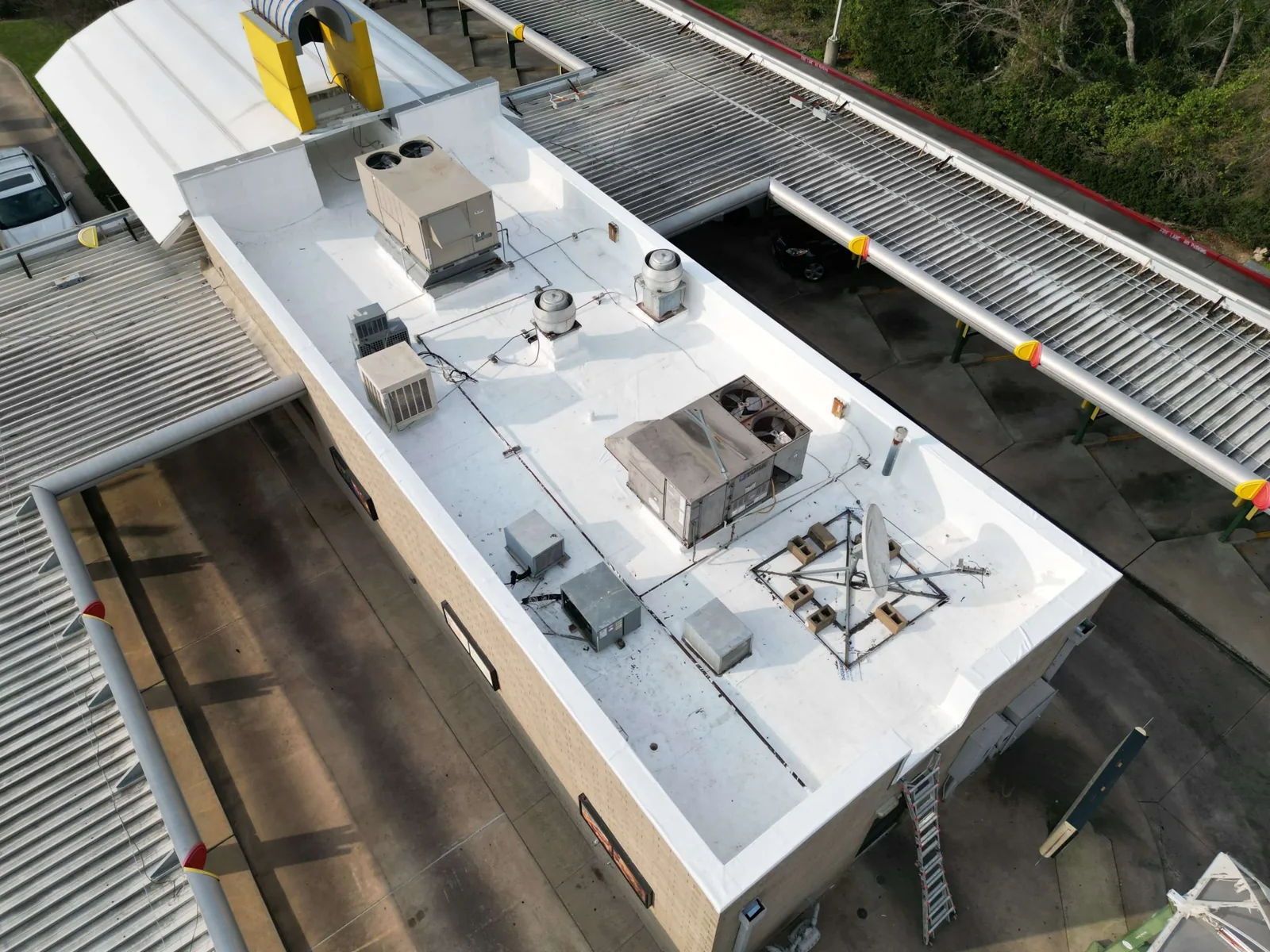
A budget request needs numbers and reasons. The inspection supplies the reasons: section ratings, moisture maps, photographs and a statement of what happens if the work waits. We help convert them into options. Repair of a bounded area is a commercial roof repair. A sound roof with a tired surface may be restored. A section with wet insulation over a wide area moves toward replacement.
The planning view is built in roof capital planning, which places each section on a timeline. School and campus owners can read the same format used for school roofing and college and university roofing, so a district with several buildings compares them on one scale.
Cost drivers are listed with each option: area, access, insulation condition, number of penetrations and the system selected. A district or a campus can then explain to its board why one roof is replaced this cycle and another is repaired and watched.
When work is done, the close-out package lists the materials, the repair locations and any manufacturer paperwork. Institutions keep these files for years, and staff turn over. A complete package lets the next facilities manager answer a warranty or insurance question without reconstructing the work. The file connects to a broader roof warranty management record when the roof has one. Owners with buildings in nearby Racine or Kenosha can keep every site in the same format.
Repairs made by other parties are added to the file as well, with a photograph and a note of what was used. A patch that is not recorded cannot be evaluated later, and a warranty claim can turn on that missing line.
Keep Reading
Planned membrane, flashing and seam repair for Kenosha, WI commercial roofs, with dated photos, a marked roof plan and a written repair log for every visit.
Roof capital planning for Kenosha, WI owners: condition ratings, core cut results and replacement timing arranged into a budget request a committee can review.
School roofing in Kenosha, WI: dated inspection files, snow and freeze-thaw findings, and summer reroof plans a district can attach to a capital request.
College and university roofing in Kenosha, WI: building-by-building condition ratings, freeze-thaw findings and phased plans for halls, labs and gyms.
Roof warranty management for Kenosha, WI owners: warranty files, maintenance records, repair documentation and notice dates that keep coverage in force.
Commercial roofing in Racine, WI for manufacturing plants, retail centers and lakefront buildings, with dated findings, moisture surveys and condition ratings.
Early enough that the rating arrives before the capital request is due. Fall and winter walks give the longest lead time before the summer work window.
Yes. Roof walks are quiet and keep clear of student areas. Core cuts and any noisy work are scheduled outside class hours.
Each section is rated separately. The plan shows which section needs money first and which can wait.
The file notes the parcel and jurisdiction. Permit and assessment questions are then directed to the right office.
At any hour of any day. A leak over an occupied room is stopped first, and the permanent plan is written once the roof can be walked.
The building address, any roof drawings, past leak reports and the contact who approves access. A walk fills in whatever is missing.