
How is a roof job planned around bookings?
The calendar goes on the work plan. Noisy tasks are placed in the quietest windows and quiet tasks fill the rest.
Commercial roofing in Beach Park, IL for hospitality, conference and service buildings: phased work, dated photo sets and condition ratings by roof zone.
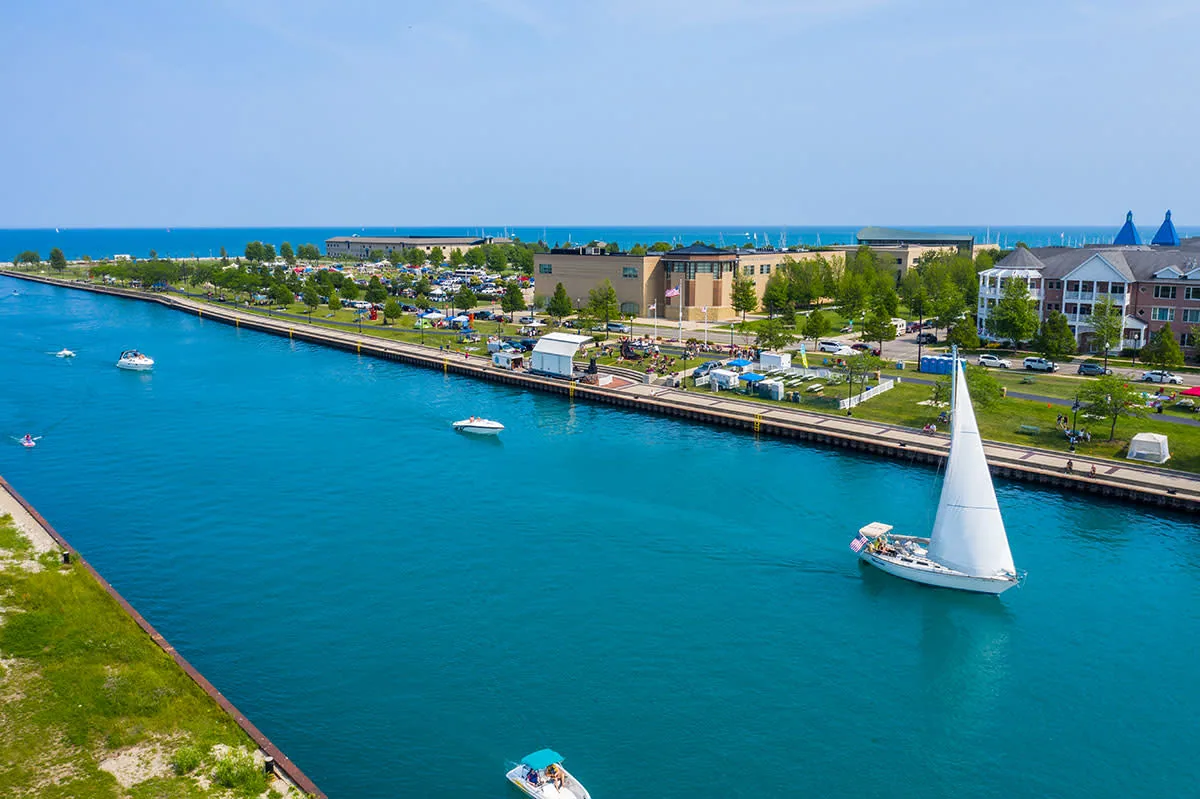
A ceiling tile stained above a guest corridor is a roof finding with an occupancy schedule attached to it. The stain is one entry in a log. The room, the booking calendar and the noise limits around it are the constraints that decide how the repair can happen. In Beach Park, IL, a village of 14,249 residents, the hospitality and conference buildings near the Illinois Beach State Park beaches, among them the Illinois Beach Resort and Conference Center and North Point Marina, set the standard for how a roof job must be planned.
We build the roof record around the building's schedule, not the other way around.

A hospitality building is divided into zones with different tolerance for disruption. Guest rooms and corridors cannot take leaks or noise during sleeping hours. Ballrooms and meeting rooms cannot take either during an event. Kitchens, mechanical rooms and back-of-house spaces are more forgiving. We map the roof sections to those zones and rate each section against what lies beneath.
The result is a priority list that follows consequences. A small defect over a ballroom ranks above a larger one over a storeroom, because the cost of a leak depends on what the water reaches. The facility director sees this ranking in the baseline report and can defend a capital request with it.
Interior staff are part of the record. Housekeeping and engineering teams see stains first, and they know how fast one grows. We give them a short reporting card with the room, the time and the section number from the plan, and the entries feed the roof log. A report from the people who walk the corridors is often the earliest warning a roof gives.
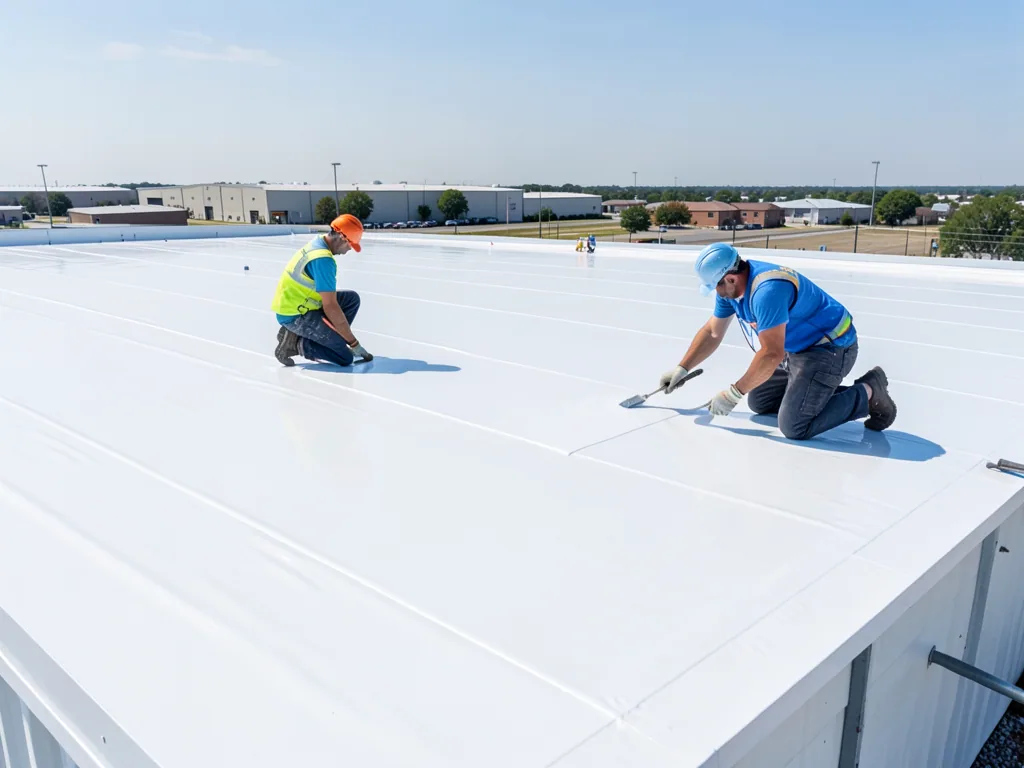
Conference buildings run on bookings. A roofing job has to fit between events, and the best windows are known well in advance. We ask for the calendar at the start and mark quiet periods on the work plan. Noisy tasks, such as tear-off or fastening, are scheduled for the windows with the fewest guests, and quiet tasks, such as inspection or sealing, can happen at other times.
The written plan names each task, its hours and the area affected, so the manager can brief the front desk and event staff.
Weather holds are written into the plan as well. A section opened in the morning must be closed by evening, and a forecast of rain moves tear-off to another day. The manager receives the revised calendar the same afternoon, so the event staff are never surprised.

Buildings on the beaches of Illinois Beach State Park, such as the resort and the marina, face open exposure. We treat that as a prompt to check what exposure does to a roof: wind that loads edges, humid air that reaches insulation and metal accessories that corrode faster. The walk looks at coping, fasteners, penetrations and sealants with extra care.
Buildings along Kenosha County’s roughly 8 miles of lakeshore take wind and freezing exposure off the lake, and shoreline buildings in Beach Park are read the same way. For any specific roof in Beach Park, the walk and the photographs decide the rating.
Sand and grit travel with wind, and they accumulate in drains and at walk pads. We clear and photograph them on each visit, and we record whether the surface shows abrasion. Where grit is a repeating issue, a protective walk surface or a change in the cleaning schedule goes into the scope.
Kenosha's record low of minus 31 degrees came in January 1985, and its record high of 105 came in July 2012. A roof that cycles through that range, with wind from open water added, moves at its joints, and the spring walk records which joints moved. The same locations are photographed each year so the comparison is direct.
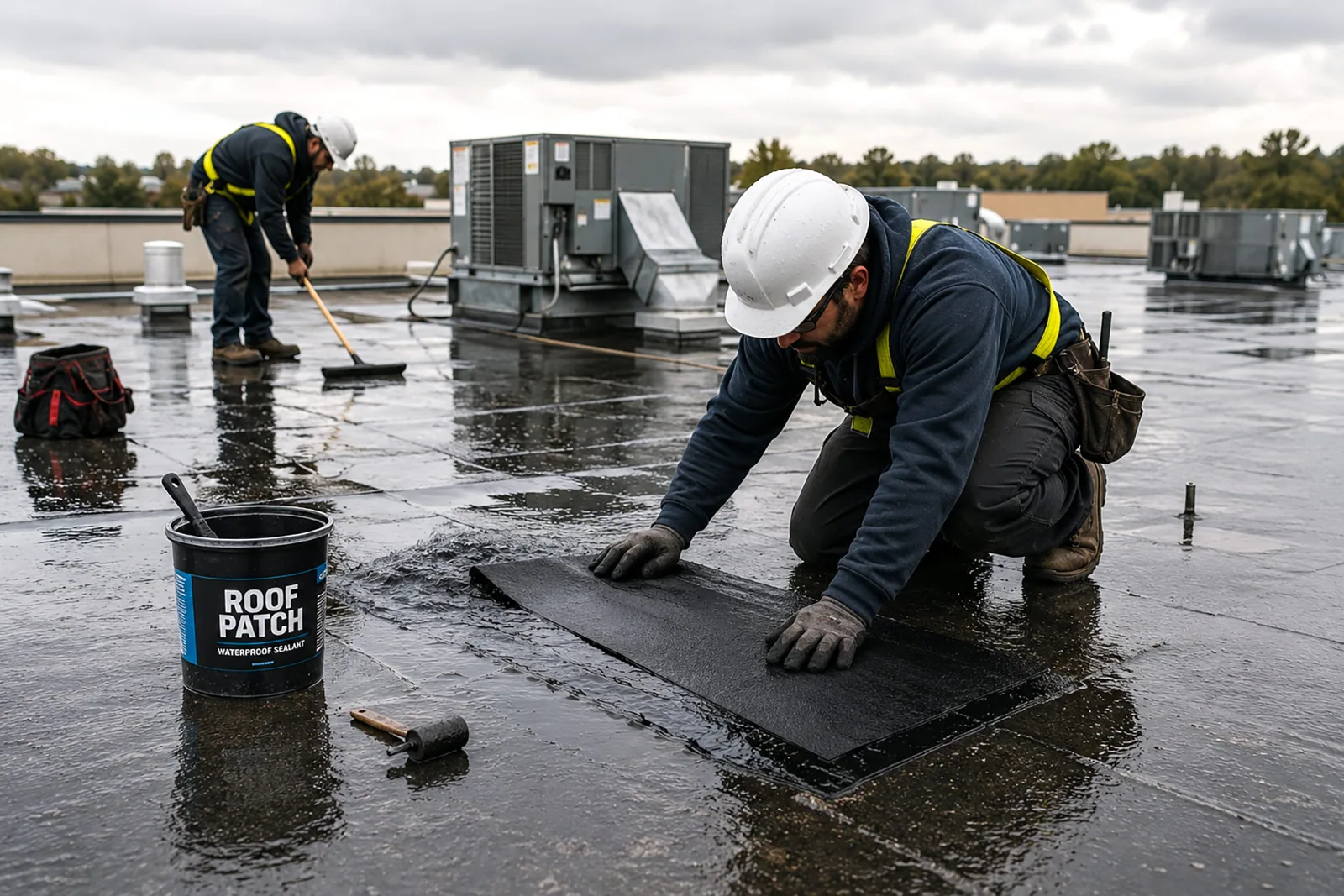
Green Bay Road (Illinois 131) and Sheridan Road (Illinois 137) are Beach Park's major routes. They carry guests, deliveries and event traffic, and they set the approach for roofing trucks and lifts. The first walk notes the truck approach, where materials will be staged and the busiest traffic hours.
For a destination building, we also plan a separate route for roofing deliveries so that trucks do not cross guest arrival areas. If a lift must sit near an entry, we agree on barriers, signs and a spotter. The plan keeps the work visible to staff and invisible to guests as far as practical.
Parking for crews is a separate item. A resort has limited spaces for guests, so crew vehicles go to a designated area and the plan identifies it. This avoids the common complaint that roofers took the front spaces on the busiest weekend.
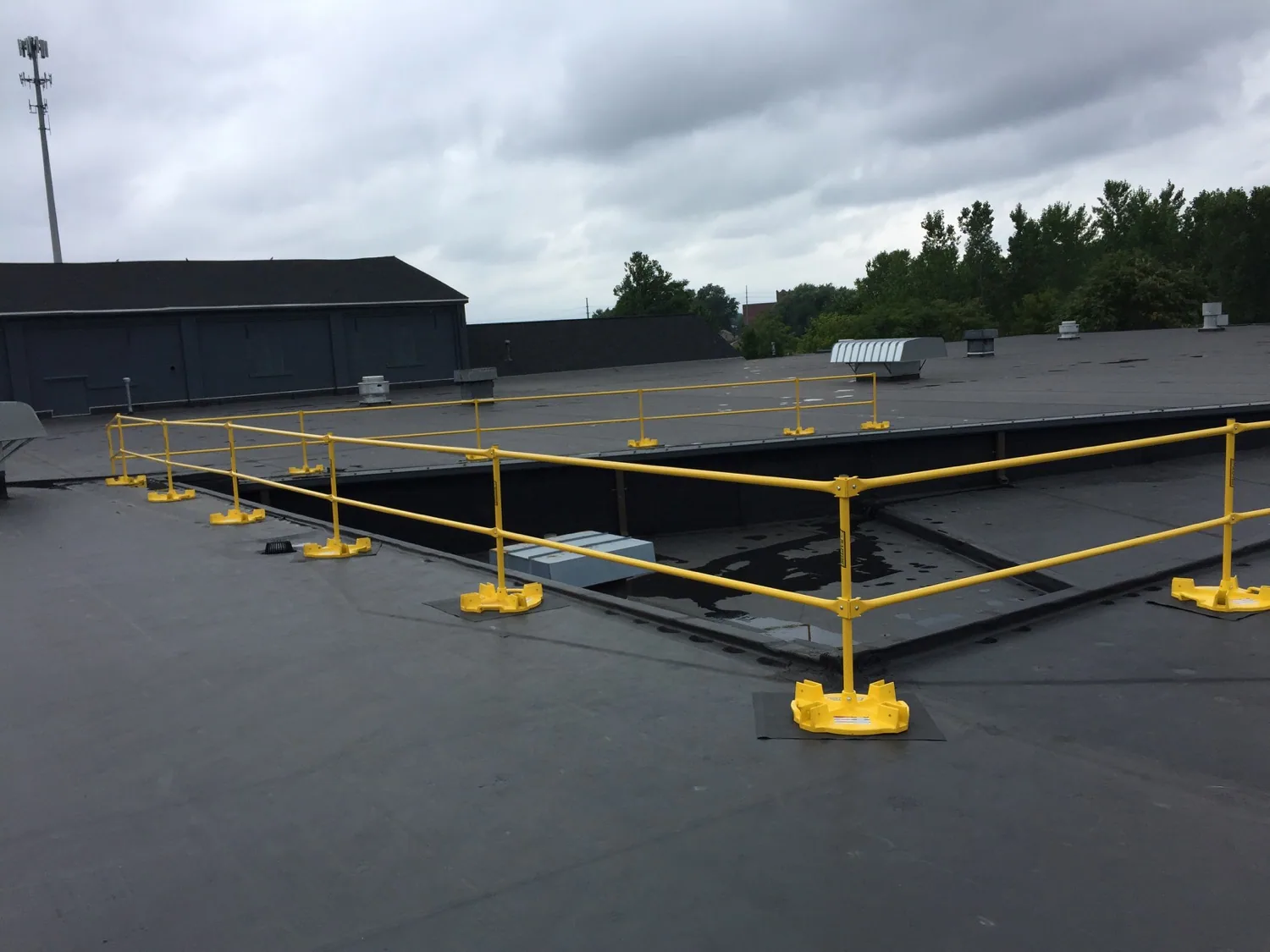
Three concerns come up in occupied hospitality work: noise, dust and odor. Each has a control. Noise is limited by task scheduling and by choosing methods, such as cold-applied adhesives where torch work is not suitable. Dust is controlled with containment, sweeping and protection of air intakes. Odor is managed by choosing low-odor materials and by shutting down or covering intakes near the work.
The plan lists the intake locations, the method chosen and the person responsible for shutting each down. An occupied building reroofing approach with small open areas and daily dry-in points keeps the exposure short.
Warning signs and daily closeout checks complete the controls. Each evening, the roof is swept, tools are stowed and the open area is dried in. The foreman walks the site with the manager's representative, and both sign the day's entry.
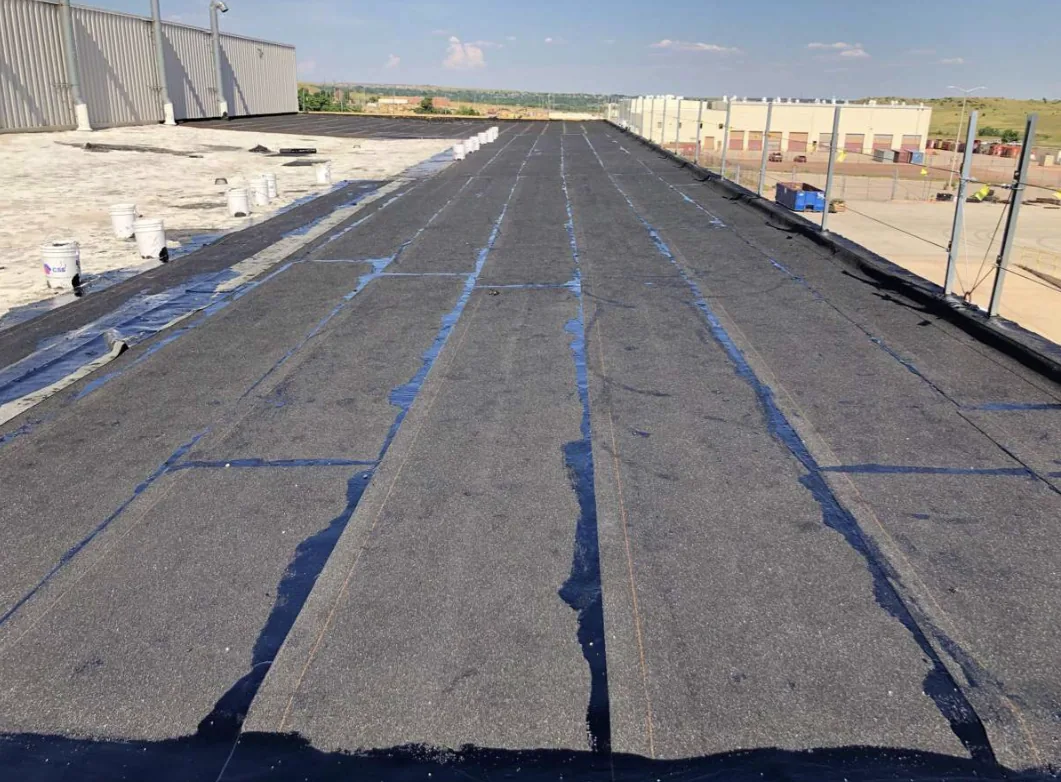
The inspection produces options by zone. Repair a bounded area over a kitchen. Restore a sound roof over a storage wing. Replace a section over guest rooms where insulation is wet. Each option has cost drivers listed in writing, and the phasing plan shows how the work moves from zone to zone. A hotel roofing review follows the same steps, and hospitality groups with several properties can compare them on one scale.
At the end, the close-out package lists the final photo set, the marked plan and the materials. Owners with nearby sites in Winthrop Harbor or Zion can use the same format, and a longer view of condition sits in roof condition reports.
The package supports the owner's next capital cycle. A baseline rating, a priority by zone and a cost-driver list give the facility director the numbers a budget committee asks for, and the dated photographs show the committee what it is funding.
Keep Reading
Reroofing occupied buildings in Kenosha, WI: phased tear-off, interior protection and daily dry-in logs that keep tenants and operations running.
Hotel roofing in Kenosha, WI: room-numbered leak records, pool and kitchen roof findings, winter damage logs and reroof schedules that protect guests.
Room-mapped roof inspection logs, condition ratings and phased work plans for hotel owners and hospitality groups around Kenosha, WI and Lake County.
Commercial roofing in Winthrop Harbor, IL: patch inventories, dated photo sets and condition ratings for small commercial buildings and service properties.
Commercial roofing in Zion, IL for lakeshore, civic and commercial buildings, with wind-edge checks, moisture surveys and dated, rated findings.
Written roof condition reports with dated photos for Kenosha, WI buildings: numbered findings, moisture data, condition ratings and a repair-first list.
The calendar goes on the work plan. Noisy tasks are placed in the quietest windows and quiet tasks fill the rest.
Only quiet work, such as inspection. Noisy and dusty tasks are scheduled between events.
The plan lists each intake near the work, and the person responsible shuts down or covers it during the task.
Edges, fasteners, sealants and metal accessories get a closer look, since wind and moisture reach them more directly.
At any hour, even during an event. The first visit contains the leak quietly, and noisy work waits for a quiet window.