
Should the roof be replaced before panels go on?
If its remaining life is shorter than the array's service period, yes. The inspection and core cuts show where it stands, and we state the range.
Solar-ready roofing in Kenosha, WI: roof condition, remaining life, snow load and penetrations documented before panels go on, and after they are in place.
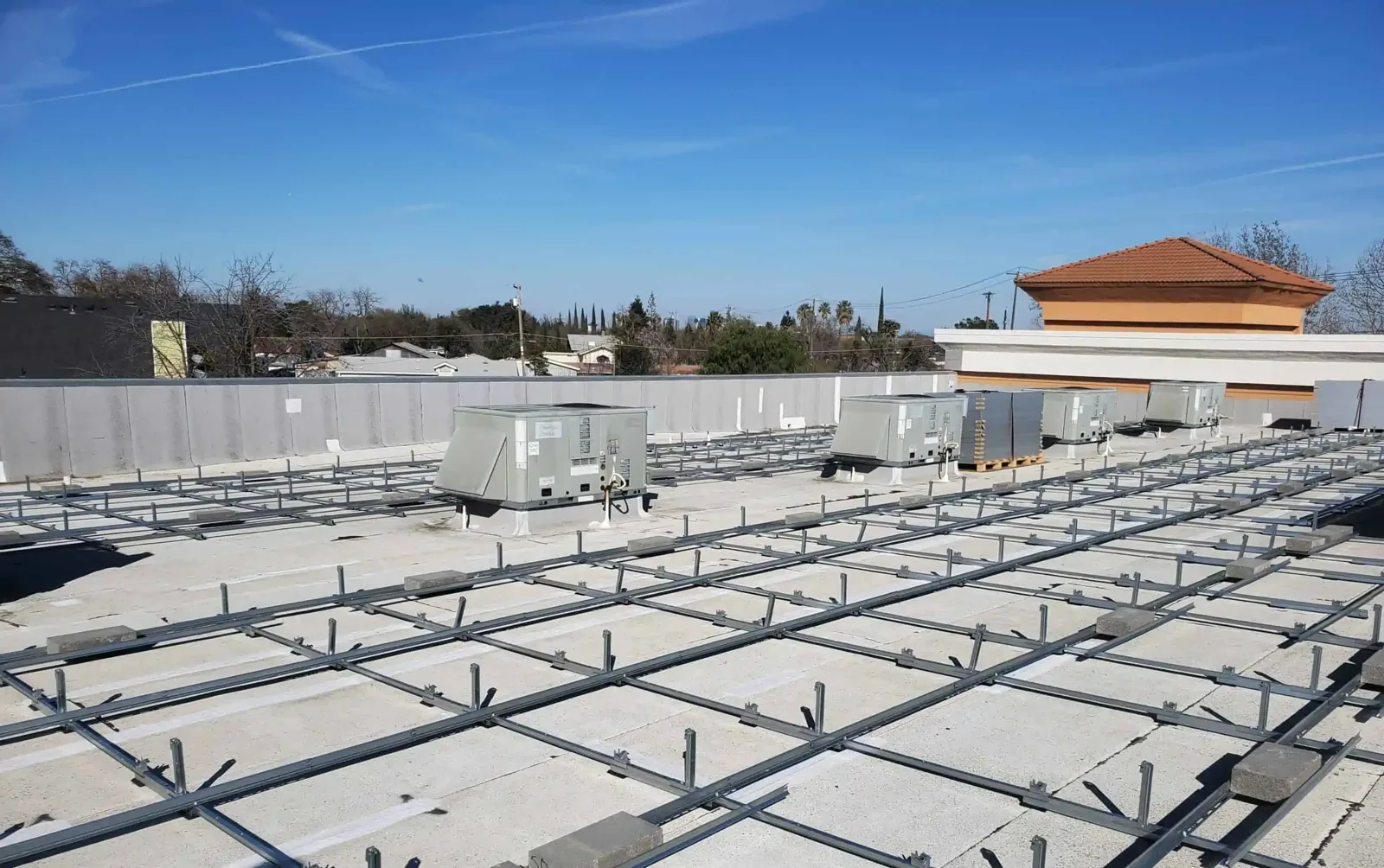
A roof with fifteen years of service behind it and a solar array planned for the next quarter raises a question that one core cut can answer. If the membrane is near the end of its life, the array will have to come off for the reroof, and the cost of removing and resetting it belongs in the budget now. In Kenosha, WI, we document the roof before a solar project begins: membrane condition, insulation moisture, drainage, penetrations and remaining life. The baseline lets the owner decide whether the roof can carry panels for their whole service period or needs work first.
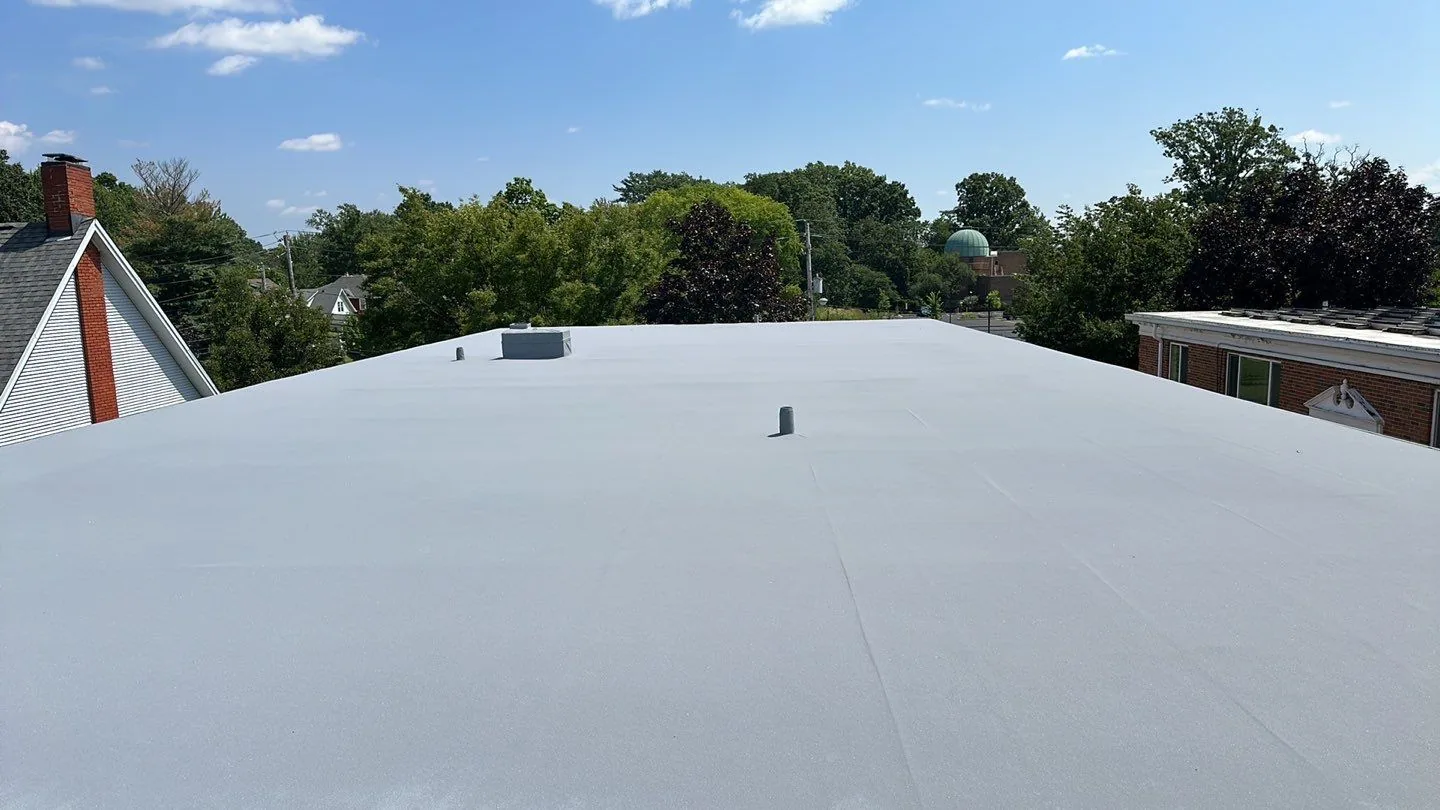
The baseline package has five parts: a roof plan with every penetration, curb and drain marked; a dated photo set of the whole surface; a moisture map with core results; a condition rating for each roof area; and a short statement of remaining life. It is built so the solar designer, the structural engineer and the owner can each read the part they need.
The package also marks the areas that should stay clear: drains and their approaches, areas of ponding, walk routes, hatches and the paths to rooftop equipment. Panels laid across a drain or a service route cause problems later, and the plan shows them before the layout is drawn. Once the array is in place, a second photo set records the roof as left, so any later dispute has a record to rest on.
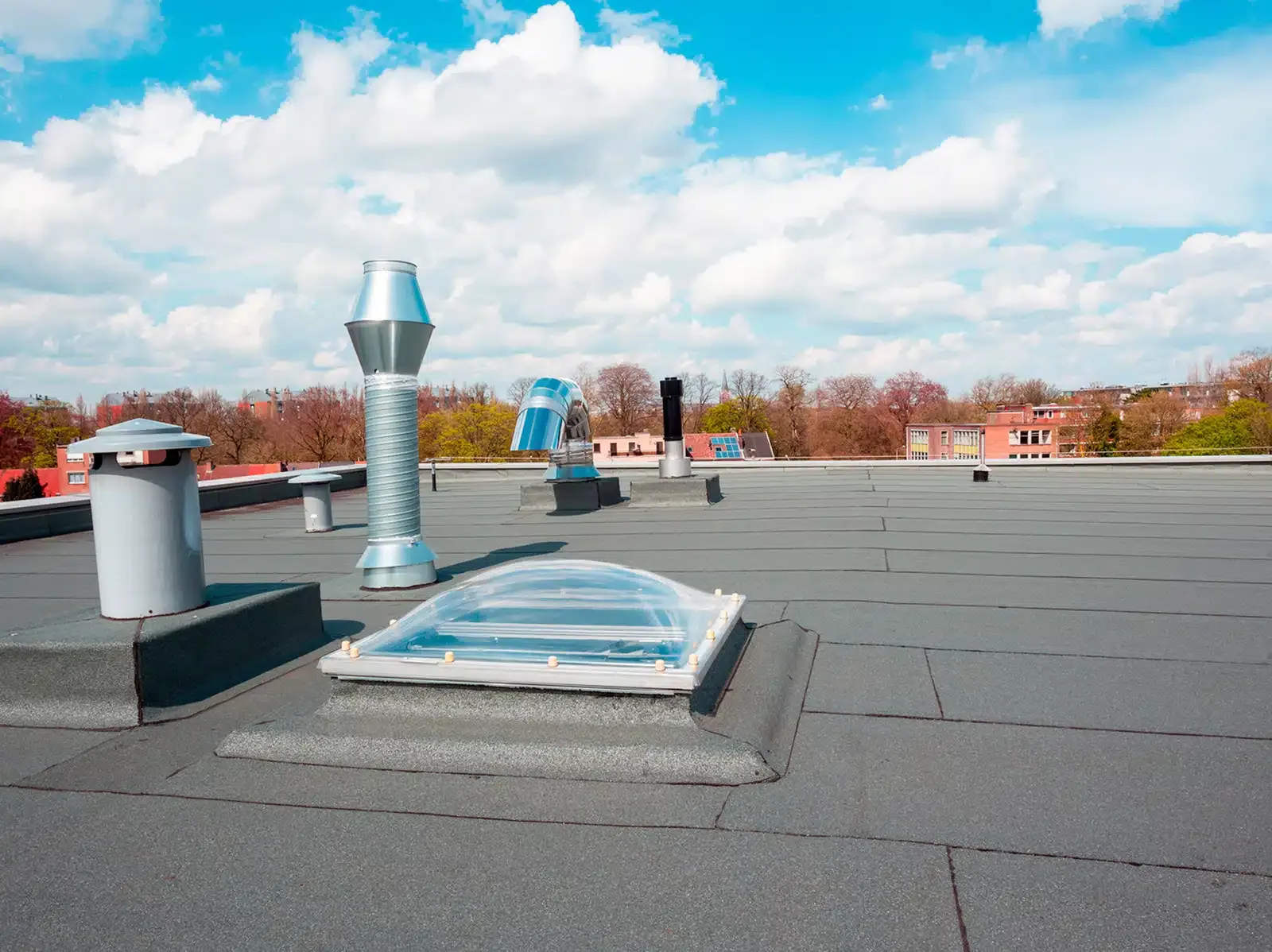
Solar arrays are designed to stay on a roof for a long period, and that period should fit inside the roof's remaining life. If the roof will need replacement during the array's life, the owner pays for panel removal, storage and reinstallation, and the roof is replaced in sections around the equipment. If the roof is replaced first, the array lands on a new surface with a warranty that can be extended to cover it.
We estimate remaining life from the inspection findings, the moisture survey and the core cuts, and we state it as a range with the evidence. A roof that rates sound with dry insulation can carry an array. A roof that rates fair with local wet areas needs repair first. A roof that rates poor needs a replacement before panels go on, and the file says so.
Average snowfall here is about 36.2 inches, and a single storm, the Groundhog Day blizzard of 2011, left 23.2. Panels change how snow sits and slides on a roof. They add dead load, and drifts form around arrays. The structural capacity of the roof is a question for a structural engineer, who checks the framing against the added load and the local snow load.
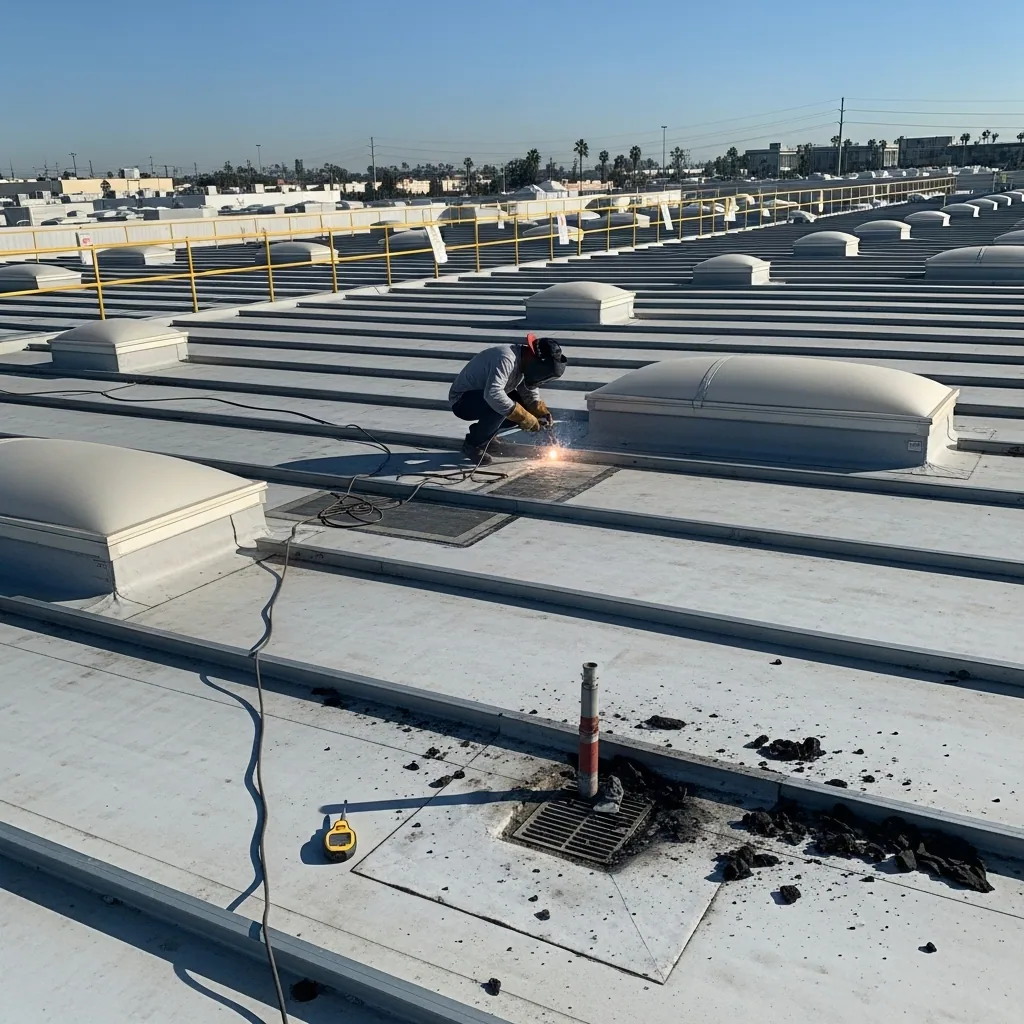
Our part is the roofing side. We record deck condition, check for sag or deflection, and report any area where the deck or insulation is compromised. Ballasted arrays sit on the membrane with weight, and mechanically attached arrays penetrate it. The choice affects the membrane, the insulation compression and the flashing details, so it is made with the roofing record in hand.
Wire management is part of the roofing record. Conduit laid directly on the membrane abrades it, traps water and shades the surface. Supports that lift conduit off the roof, with protection under their feet, are the better detail, and they are logged by position.
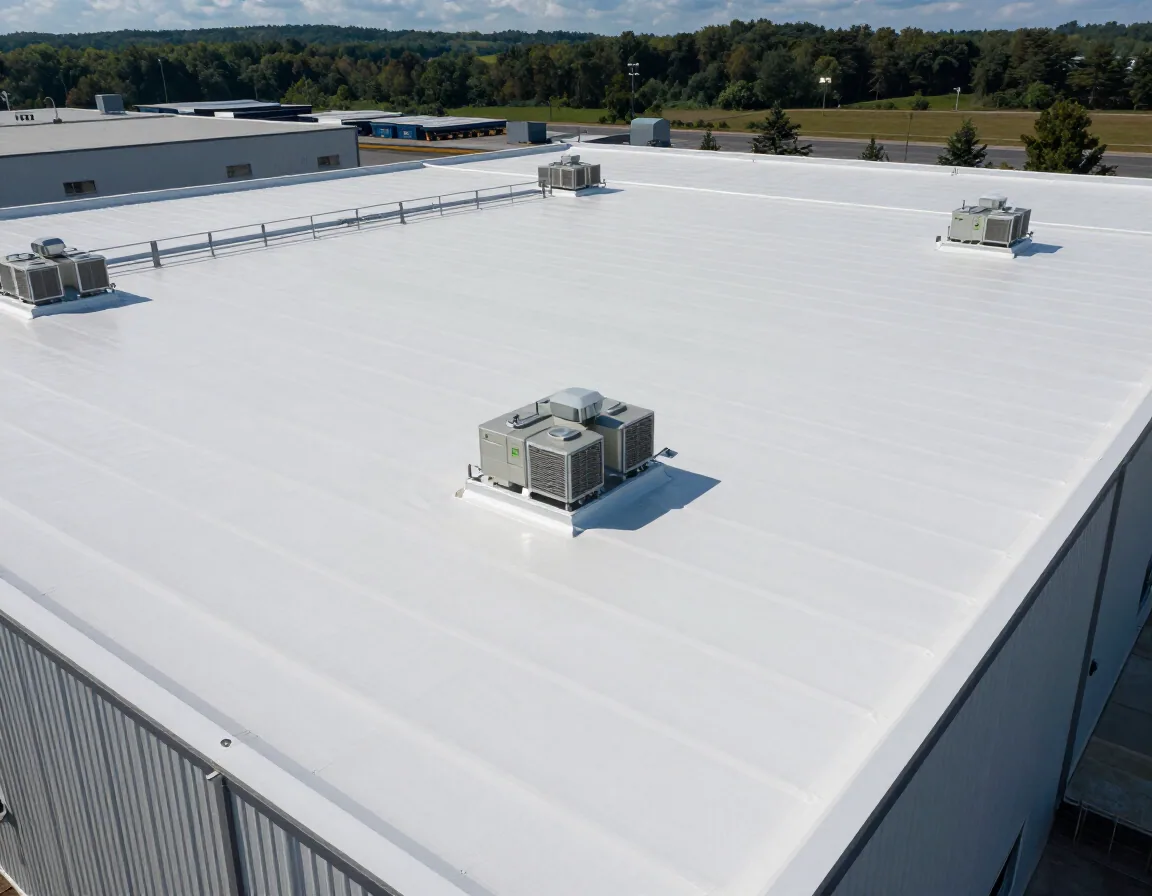
Each attachment method has a roofing consequence. Ballasted systems spread load but compress insulation, and they need protection layers under the footings. Mechanically fastened systems pass through the membrane, and every post needs flashing. Adhered systems bond to the surface and rely on its condition. Standing seam metal roofs often use clamps that grip the seams without penetrating the panel.
We inventory existing penetrations and mark the paths for new conduit. Each new penetration is flashed to the roof system's requirements, photographed and logged. The penetration flashing record covers them, and the roof warranty is checked for any notice or approval the manufacturer requires before work starts.
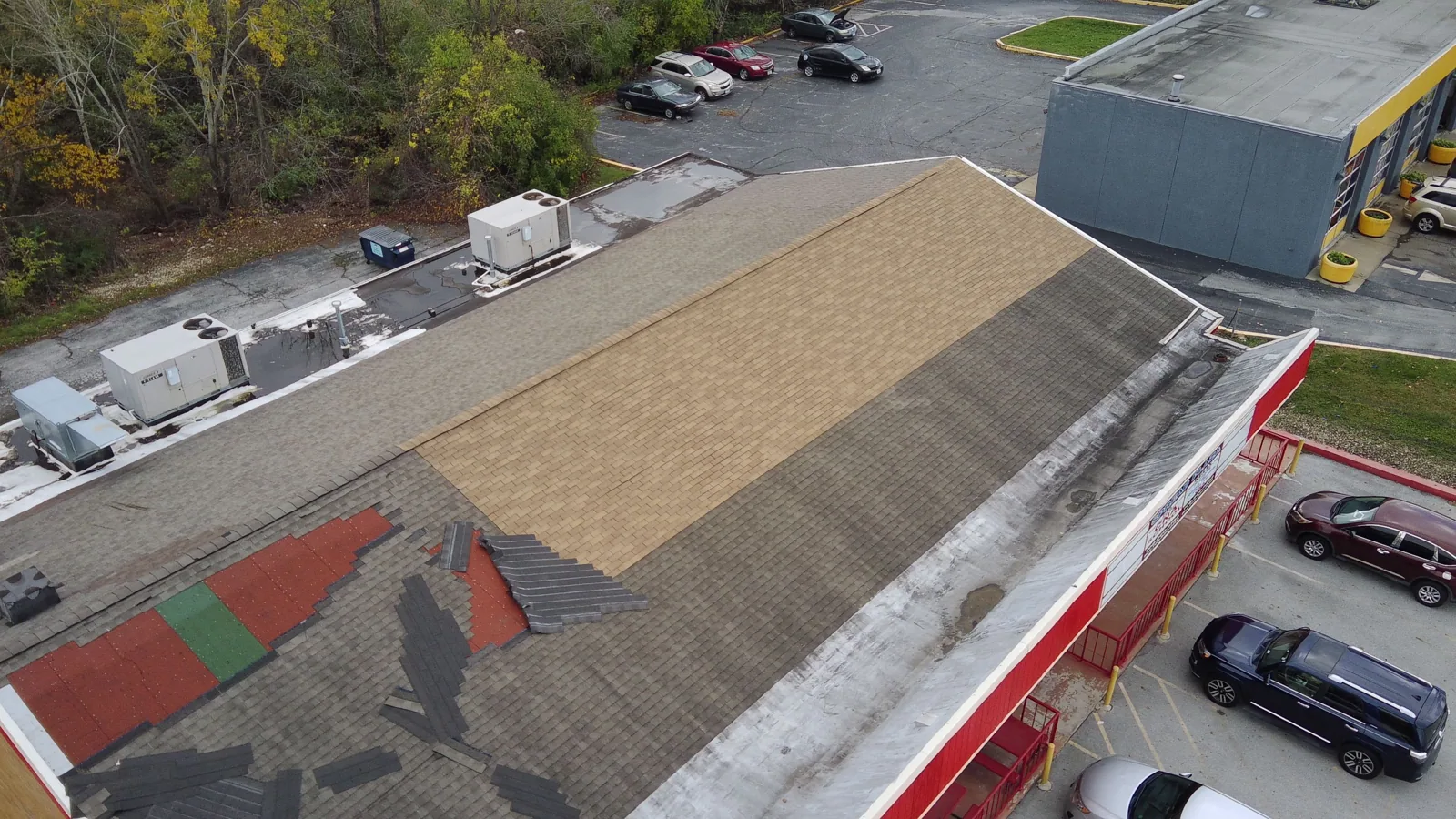
A roof can get panels after it is already in place, and the roof beneath an array may need work later. Repairs near an array are done carefully: access is limited, wiring runs overhead and sections of membrane may be shaded or hard to reach. We map the array on the roof plan, mark the clearances and list which sections are reachable without moving panels.
If a leak appears under an array, the first step is tracing it. The array's mounting points, conduit penetrations and drainage changes are all candidates. Panels that need to come off for a repair are removed and reset by the array's installer, and our work order coordinates the date. A leak repair under an array costs more in access and coordination, which is one reason to document the roof before installation.
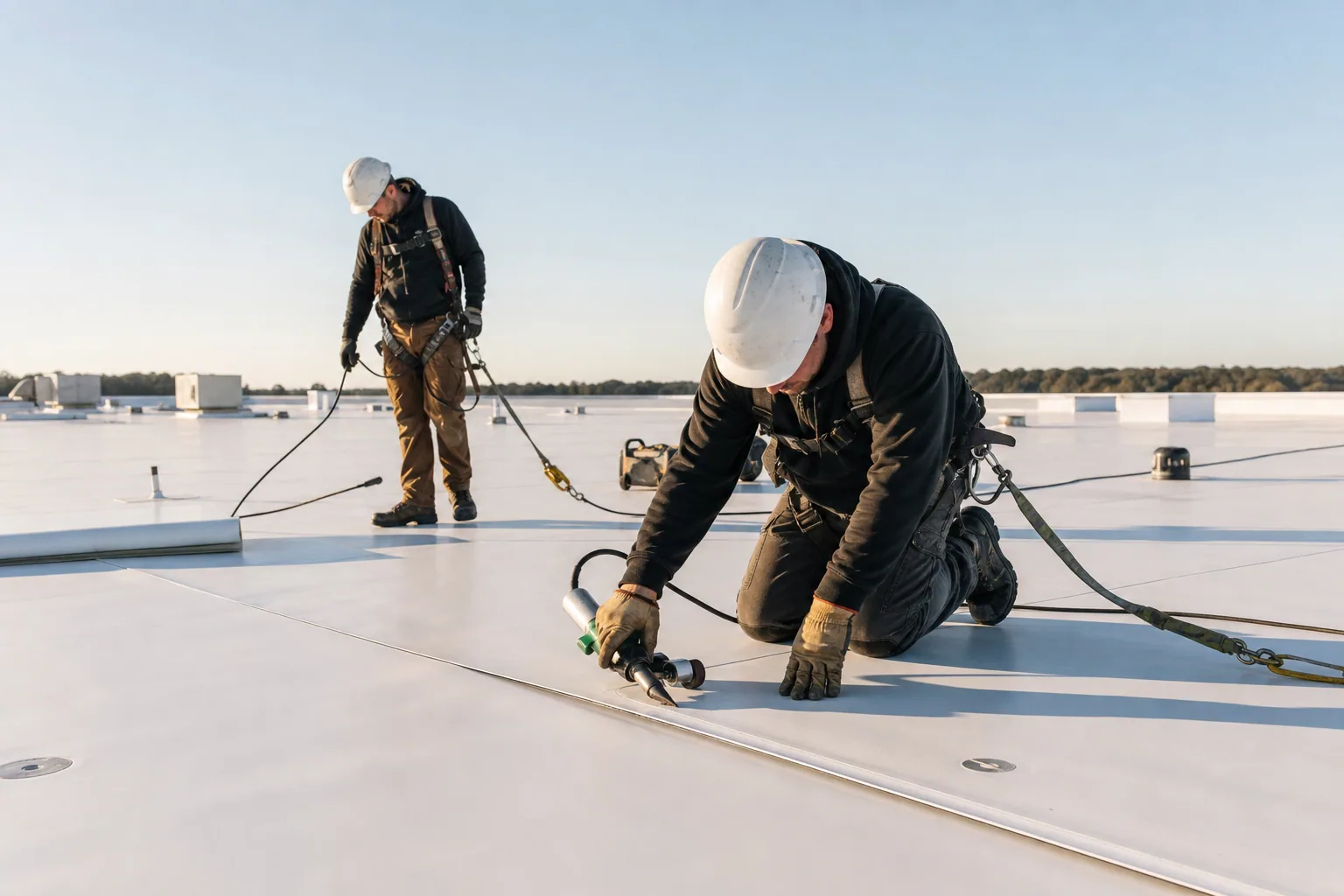
Wisconsin keeps its commercial building rules in chapters SPS 361 through 366, built on the 2021 international codes. Solar projects touch several of these: structural load, fire access, electrical and energy provisions. Local review adds its own conditions.
We confirm roofing-related requirements with the plan reviewer: fire-access pathways, setbacks from edges and equipment, and roof-covering ratings under the array. The file records who confirmed what and when. Electrical and structural reviews belong to the engineers and the electrical contractor, and our records give them the roof information they need.
Where the building is owned by a fund or leased to a tenant, the roof baseline also serves the lease. It records the roof as delivered, so responsibility for repairs under or around the array can be set out clearly between landlord, tenant and the solar owner.
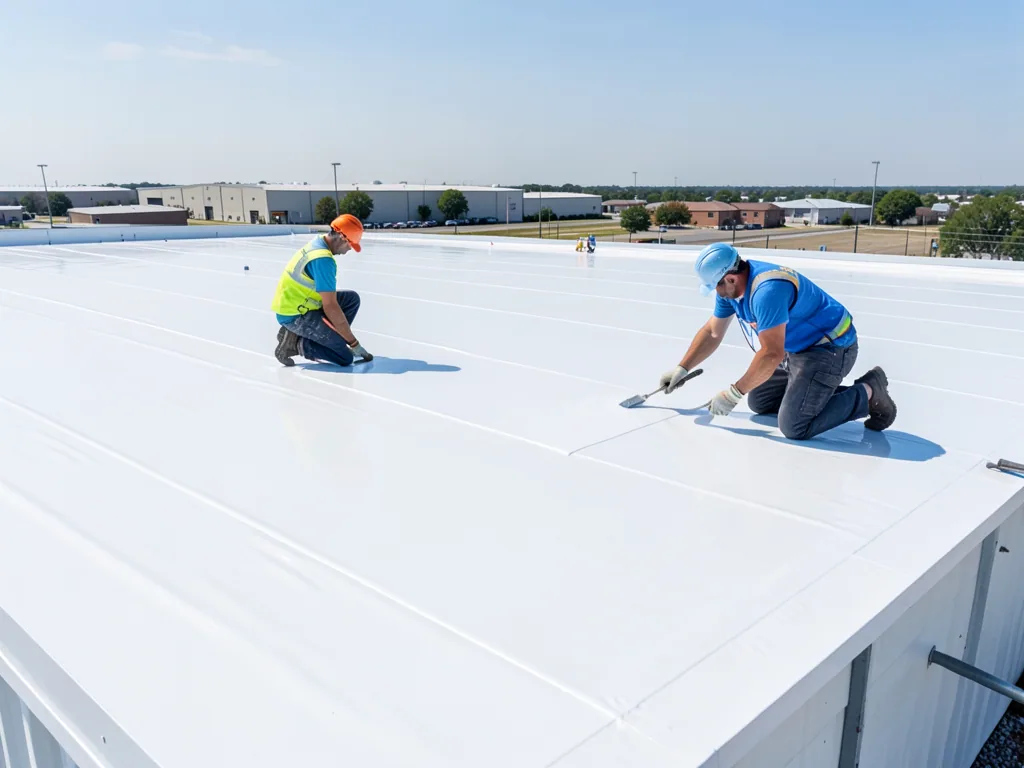
Wide distribution buildings in Pleasant Prairie's LakeView Corporate Park invite the question, but each building's roof age, structure and equipment decide whether it qualifies. Plants in Racine County may have more rooftop equipment competing for space. Hospital roofs have equipment density and access limits that make arrays a harder fit.
The fit comes from the record. A Pleasant Prairie warehouse with a sound, recently inspected roof and few penetrations is a strong candidate. A building with ponding, wet insulation or a deck in doubt needs work first. Our roof asset management file gives the solar team the same facts for every building, so sites are ranked on condition and not on guesses.
Keep Reading
Full tear-off and replacement for Kenosha, WI commercial roofs, run from a documented core survey, written condition ratings and a close-out package.
Standing seam metal roof inspection, sealant repair and retrofit in Kenosha, WI, with dated photo sets, clip and trim ratings and condition reports.
Skylight, curb and penetration flashing repair in Kenosha, WI: pipe boots, pitch pans and curb details inspected, rated and logged for facility directors.
Leak tracing and repair for Kenosha, WI commercial roofs, built on interior photos, a leak history log, moisture mapping and a written cause finding.
Commercial roofing in Pleasant Prairie, WI for LakeView and Prairie Highlands industrial buildings, with seam, drain and curb findings recorded and dated.
Roof asset management for Kenosha, WI portfolios: numbered roof sections, dated photo sets, condition ratings and an inspection log for capital decisions.
If its remaining life is shorter than the array's service period, yes. The inspection and core cuts show where it stands, and we state the range.
They can, if installed without the manufacturer's approval or with improper flashing. Check the warranty first, and have attachments flashed to the system's details.
Often with seam clamps that avoid penetrating the panels. The roof's condition, panel type and clip system decide, and the manufacturer's requirements apply.
A structural engineer. We report deck and insulation conditions, and the engineer checks framing against the added load and local snow load.
We trace it with the baseline and the array map. Mounting points and conduit penetrations are the first suspects, and panels are moved only when needed.