Seams, Laps and End Joints
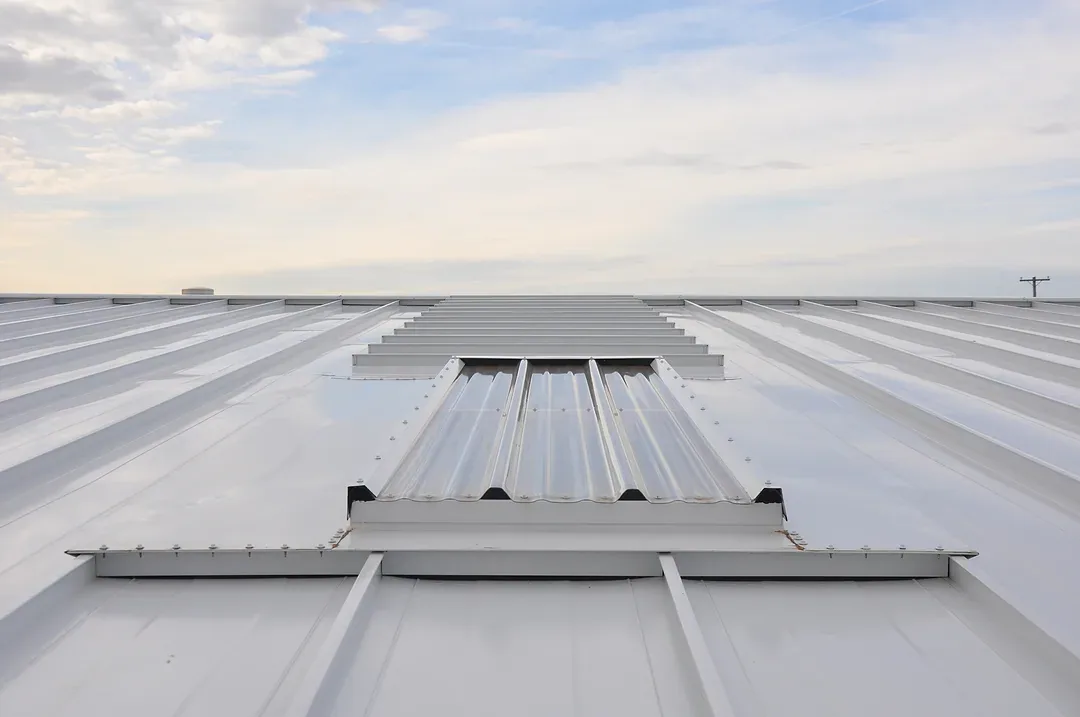
The standing seam itself is mechanically seamed or snapped, and a good seam stays tight for years. Leaks usually start where a seam is interrupted: at an end lap, a penetration, a roof-to-wall transition or a ridge. Sealant at those points ages and cracks long before the seam does.
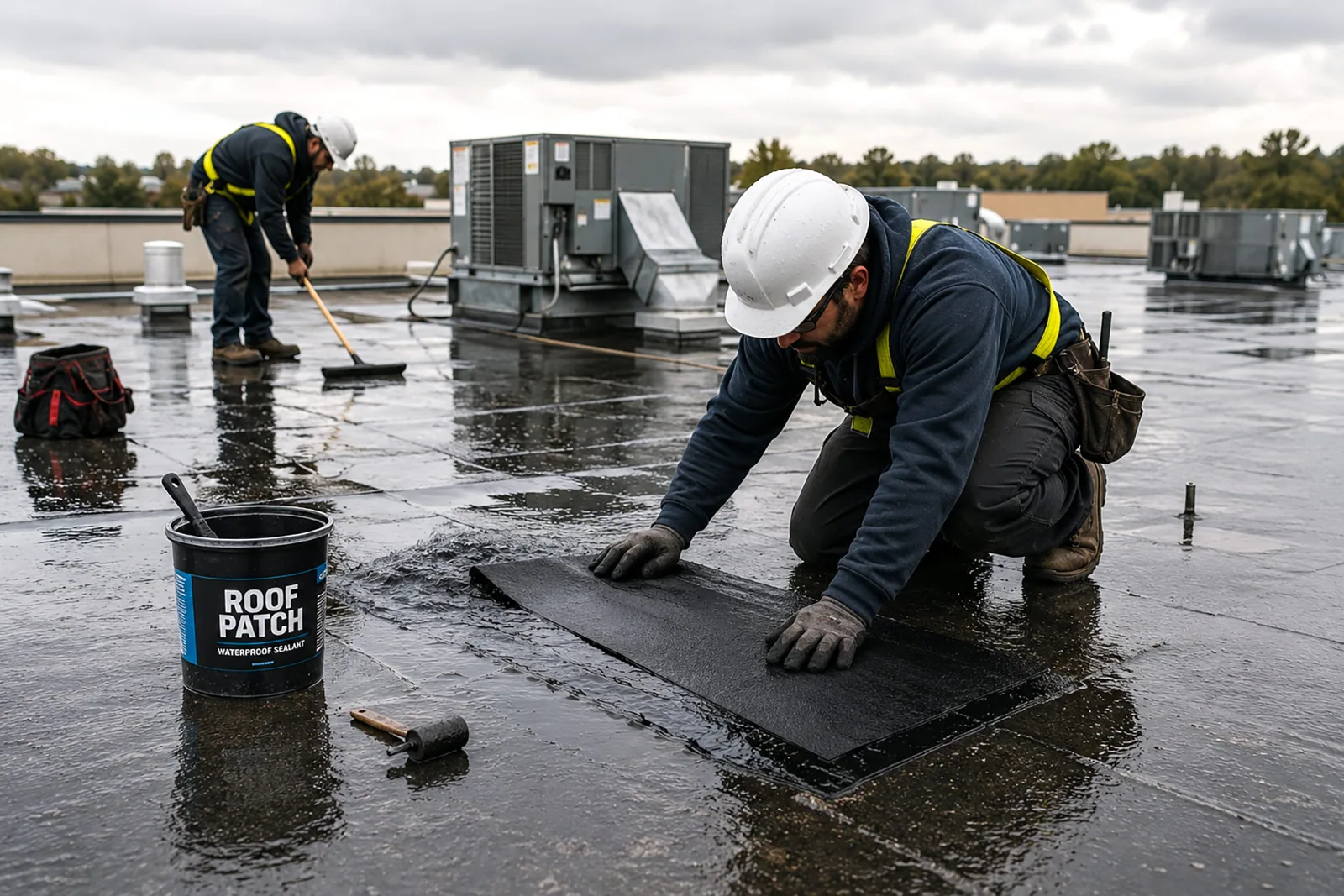
We check every end lap and penetration boot, probe sealant for adhesion and look for fasteners that have backed out of trim. Open sealant is cleaned, resealed with a compatible product and logged with the product name, the date and a photograph. A pattern of failures at one kind of detail tells us whether the cause is workmanship, movement or material, and the log keeps the evidence.
Gutters and downspouts at the eave are part of the system, and in a Kenosha winter they take ice. A gutter that has pulled away from the fascia or a downspout that has frozen solid sends meltwater under the panels. We check them each spring and record damage with photographs.