
Why count penetrations?
Leaks cluster at penetrations. A numbered count with photographs turns a general worry into a short list of details.
Commercial and industrial roofing in Park City, IL: curb and penetration counts, dated photo sets and condition ratings for every roof zone.
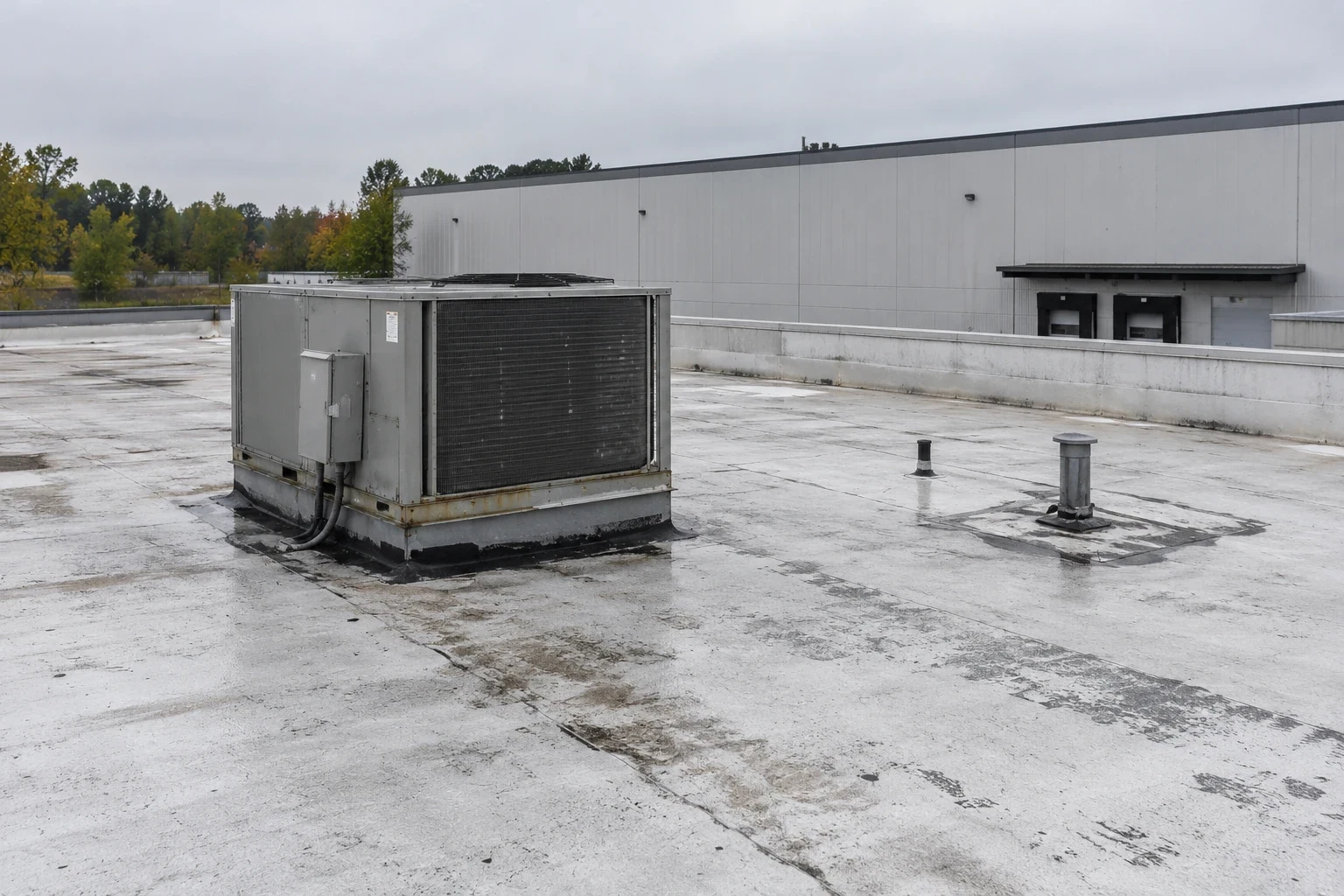
A measured gap at a rooftop unit curb, photographed with a tape in the frame, is the kind of finding a facility director can file and act on. It names the curb, gives the size of the opening and creates a dated entry that the next inspection can compare against. In Park City, IL, a city of 1.16 square miles split into residential, commercial and industrial zones, rooftop equipment is part of the daily picture on many non-residential buildings, and each unit is a place where roof and mechanical trades meet.
We count every curb, rate every flashing and keep the numbers.
A roof's weak points are the places where something passes through it. Rooftop units, exhaust fans, plumbing vents, conduits and skylights each have a curb or a boot, and each has flashing. The roof does not leak evenly. It leaks at those details, usually on the uphill side where water collects.
On the first walk we count and number every penetration. Each gets a photograph, a measurement of any gap and a rating for its flashing and sealant. A rooftop equipment curbs and supports review follows when the curbs themselves are rusted, undersized or poorly supported. The count turns a vague worry about leaks into a short list of specific details to fix.
Curbs fail in predictable ways. The sealant at the top of the counterflashing dries and cracks, the membrane at the base pulls from the curb wall, or a unit shifts and crushes the flashing under it. Each failure has a photograph in the file and a line in the log. When a mechanical contractor works on the unit, a note goes into the record, because service visits are one of the commonest causes of new damage around curbs.
The city is divided into residential, commercial and industrial zones across 1.16 square miles. A compact city puts those zones close together, and an owner or a manager may hold buildings in more than one. We use a single rating scale on every roof, so a warehouse, a service shop and a small retail building can be compared directly.
The scale has three words: good, fair and poor. Good means the roof needs only its scheduled walk. Fair means weak points are sealed and watched. Poor means a written scope with a date. The same words applied the same way make it easy for a board, a lender or an insurer to read the result without a legend.
Zone rules also matter for access. Industrial and commercial sites may have different hours, different neighbors and different expectations for noise. The work order names the zone and the rules that apply, so the schedule respects them from the first day.
Because the city covers little ground, one visit can reach several owners' roofs in a day. We group inspections by route, apply the same walk to each and return the files together. The owner of two buildings sees the ratings side by side, with the photographs that support them.
Skokie Highway (US 41) and Belvidere Road (Illinois 120) serve Park City. Both carry steady traffic, and they shape where roofing trucks can enter, where a lift can sit and when deliveries should arrive. On the first visit we sketch the truck approach, the staging space and the hours when the lot or street is busiest.
Industrial properties often have truck docks and tight yards. We plan around them by marking lift positions on a site sketch, scheduling deliveries between shipments and keeping dumpsters out of fire lanes. The work order lists each constraint so the crew arrives with a route and a plan.
Traffic on a busy highway also affects safety. Lifts and cranes near a road need traffic control, flaggers and clear signage, and the plan prices them as line items instead of leaving them to be discovered on site.
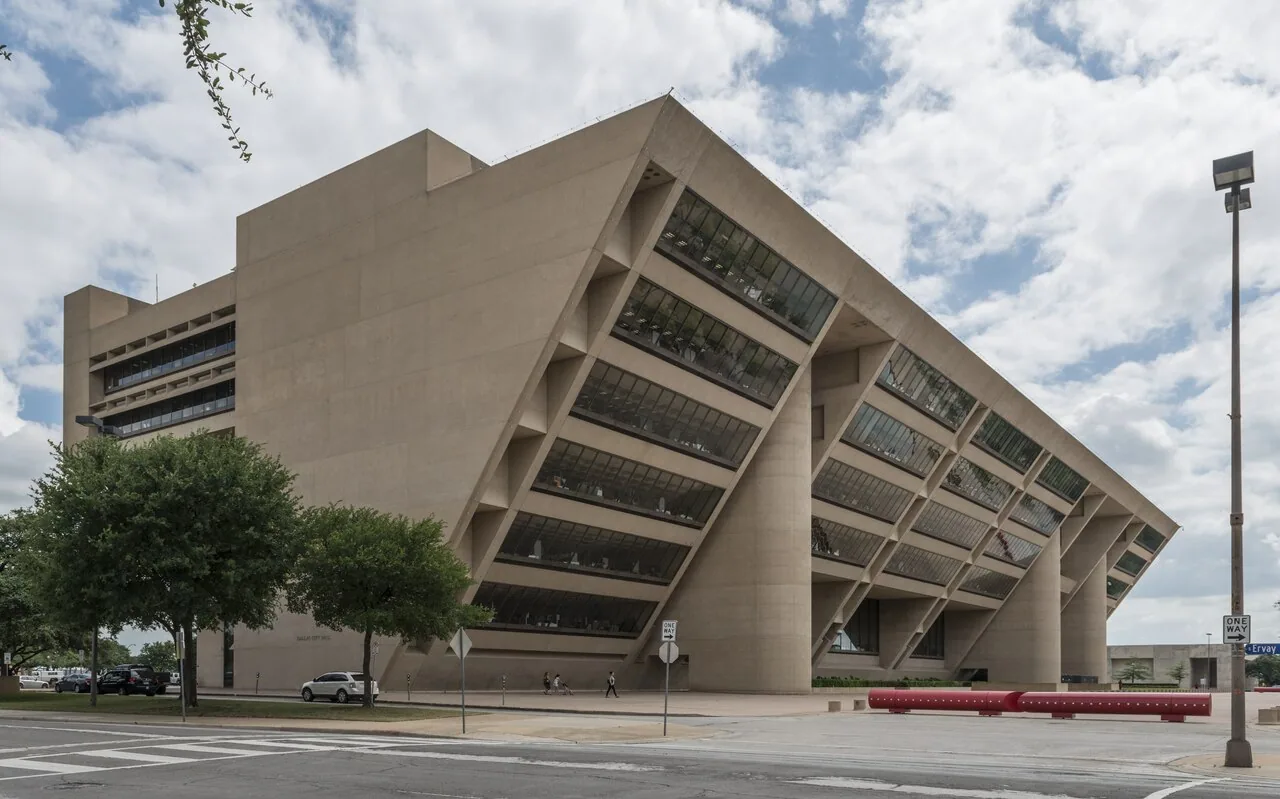
The city is redeveloping one of its streets as a focal point, and the Lake County Branch Court Complex was built there. Redevelopment brings new buildings next to old ones, and it brings public bodies into the picture. Public buildings answer to boards, audits and procurement rules, so their roof files need to be complete.
For a public owner, we assemble a record that meets those expectations: roof plan, dated photos, ratings, repair history and warranty paperwork in one file. The same format works for public agencies and government building roofing reviews, and it carries over to private neighbors who are renovating nearby.
Neighbors change as redevelopment proceeds. Construction nearby can send dust and debris onto adjacent roofs, and a roof inspected before construction is easy to compare with one inspected after. We recommend a dated photo set before nearby work starts, so any damage from the project can be documented and assigned.
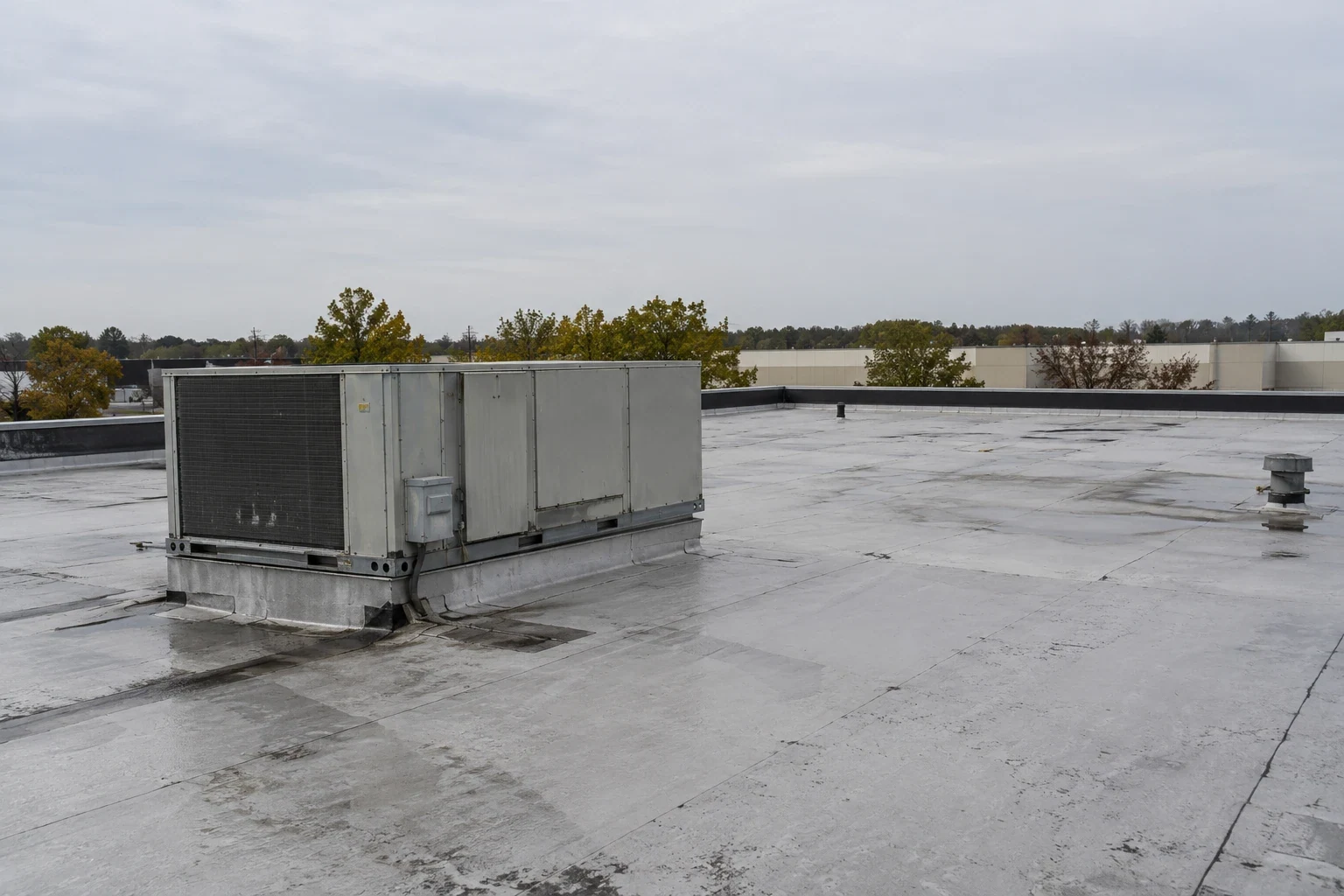
On industrial and commercial roofs we look for a consistent set of conditions:
Drain condition matters most. A roof drains and scuppers check is part of every visit, since blocked drains turn small defects into leaks. Each item is photographed, rated and added to the log.
Each finding feeds the rating. A roof with ponding near two drains, one open seam and sound flashing is rated differently from one with widespread seam failure. The ratings drive the order of work, and the written scope explains the reason for each item in plain terms.
Walk paths deserve a mention. Service crews tread the same line to the same units, and a membrane under that path wears faster than the rest. We mark the path on the plan, record its condition and recommend walk pads where wear shows.
The inspection ends with options. Repair a bounded area, restore a sound roof or replace sections with wet insulation. Each is priced from its drivers: area, access, number of penetrations, insulation condition and system. For a building that must keep operating, we phase the work so that no section stays open overnight, and the plan names the dry-in point for each day.
Roofs that pass through Kenosha’s swing from minus 31 to 105 degrees move at curbs and seams. The spring walk records how. Owners with other sites in Waukegan or Gurnee can use the same format.
The package at the end holds the final photo set, the marked plan, the materials list and any warranty paperwork. It is the first thing a new manager should open, and it answers most roof questions before they are asked.
Keep Reading
Rooftop unit curbs, equipment supports and pipe supports in Kenosha, WI: height, flashing and load paths checked and logged to protect the membrane.
Roof inspection files, condition ratings and bid-ready scopes for cities, counties and public agencies around Kenosha, WI and northern Lake County.
Government building roofing in Kenosha, WI: condition ratings for budget hearings, open-records files, winter damage logs and code-aware replacement scopes.
Roof drain, scupper, cricket and ponding correction in Kenosha, WI: drain checks, ponding records and slope fixes logged for facility directors.
Commercial roofing in Waukegan, IL for industrial, harbor-district and healthcare buildings, with dated photo sets, core cuts and rated findings.
Commercial roofing in Gurnee, IL for retail, hospitality and office buildings along I-94, with dated findings, moisture surveys and rated condition reports.
Leaks cluster at penetrations. A numbered count with photographs turns a general worry into a short list of details.
With one rating scale: good, fair and poor. Each rating has a written scope or a schedule attached.
We do. The file includes the plan, photographs, ratings, repair history and warranty papers that a board or auditor expects.
Sections are opened in small areas and dried in daily, with truck and dock schedules built into the plan.
Around the clock, with no holiday exceptions. The first visit seals the opening, and the repair is phased around dock traffic.