
Why does the same corner of the showroom stain every spring?
A drift line or a drain at that corner holds snow and meltwater. We mark it on the plan, record the cores and rate the section.
Auto dealership roofing in Kenosha, WI: showroom and shop findings, canopy and sign tie-in records, snow-load logs and repairs that keep sales and service open.
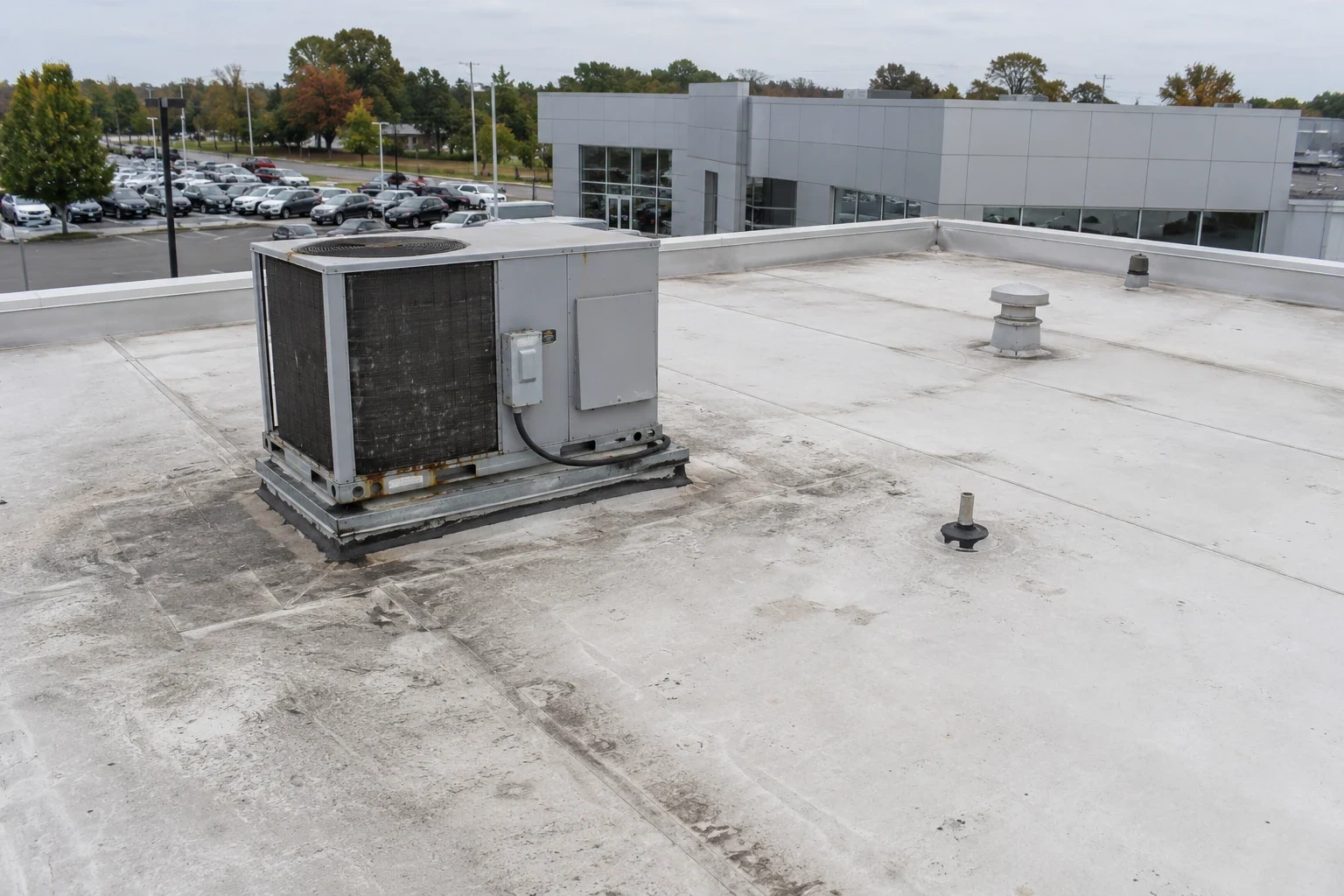
A drift line pressed into the insulation along the showroom parapet is a finding a dealer principal can see in a photograph. The line shows where snow collected last winter and where the roof carried the extra weight. We mark it on the plan, record the compression with a core cut and rate the section. For a dealership in Kenosha, WI, that one record explains why the showroom ceiling stains the same corner every March, and it shapes the repair that follows.
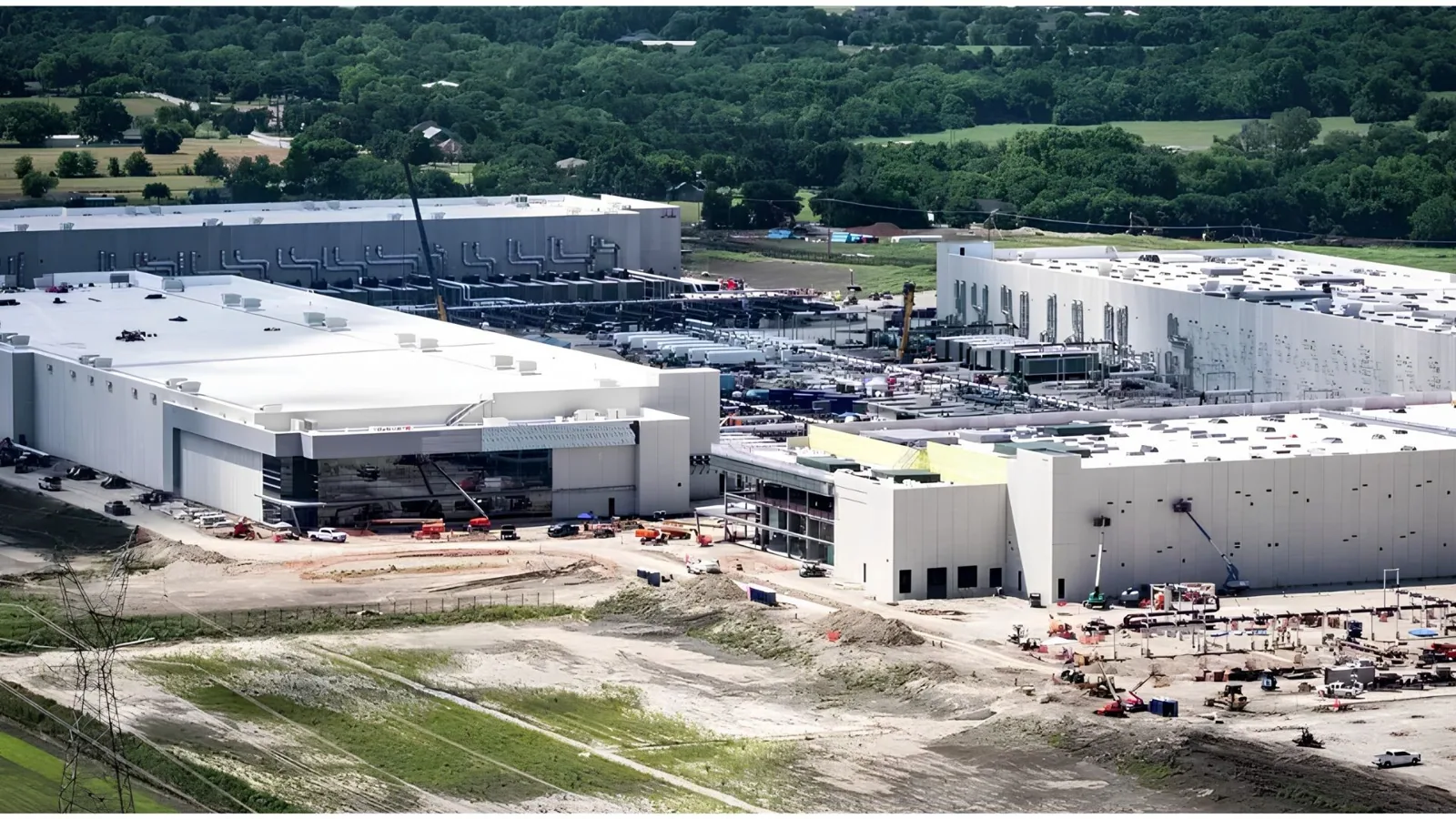
A dealership holds several roofs under one brand. The showroom has tall glass, a high ceiling and a large air-conditioning load. The service shop has overhead doors, exhaust and a steel span. The parts room, the offices and the detail bay each add a roof level. A canopy covers the write-up lane or the delivery area.
We number each roof and rate it separately, then label the room underneath. A drip over a display vehicle, a drip over the shop floor and a drip over the parts shelves have different costs. The table lets the dealer see which roof sections protect the most valuable space and which can wait.
Each roof entry also lists the age if known, the membrane or panel type, the last repair and the warranty status. Manufacturers that franchise dealerships sometimes ask for facility records, and a table like this answers the request in one document. Where a fact is missing, the table marks it open, so the finding is visible and the dealer can find it.
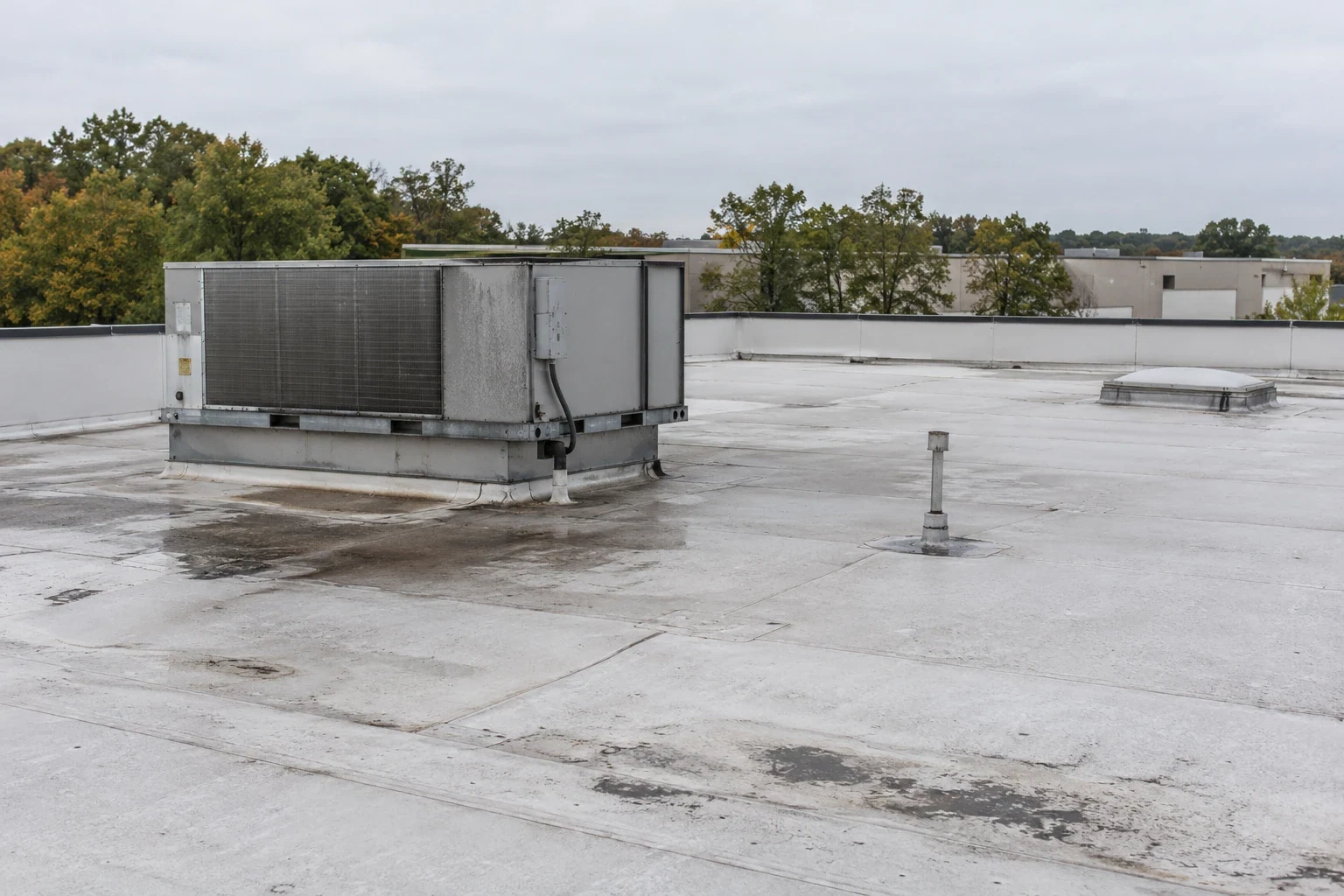
Dealership roofs are crowded. Rooftop units over the showroom, exhaust fans over the shop, make-up air and signage supports all penetrate the membrane. Sign towers and brand elements often tie into the roof structure, and each tie-in carries a flashing that moves with the wind.
Each finding is photographed in two frames, dated, numbered and tied to a location on the plan. Rooftop equipment curbs and sign bases are the entries that repeat. Canopies fail at the wall joint and at the fascia. Shop roofs show fastener back-out and sealant failure at ridge caps. Drains clog with dust from a lot that sees steady traffic.
The shop roof gets a specific check around exhaust and welding areas. Heat and fumes age boots and sealant quickly, and a discolored membrane near a stack is a finding we log with a close photograph. Bay door headers are checked from outside, since water that runs down a wall over a door ends up on a floor where vehicles are being serviced.
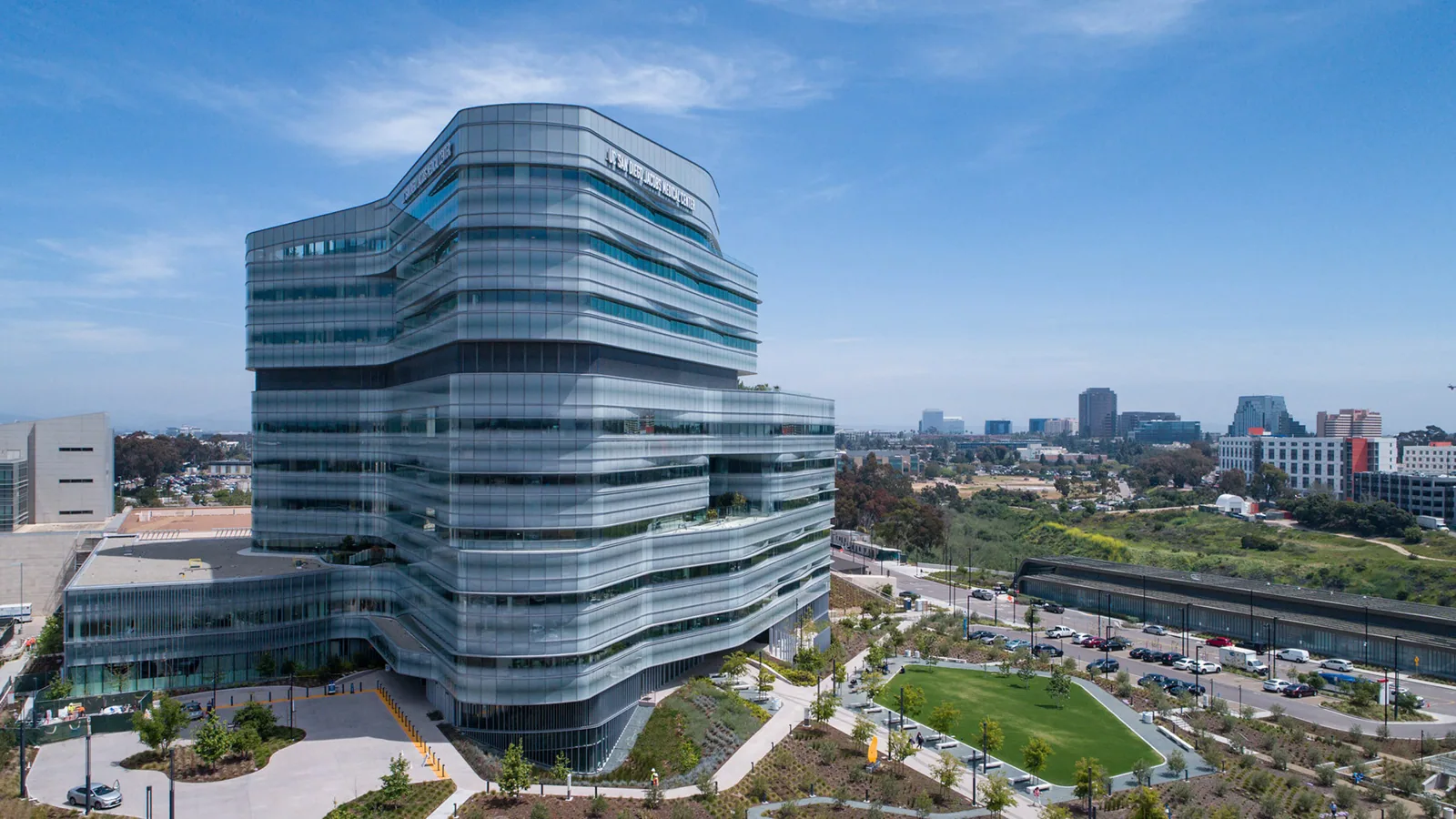
A year in Kenosha adds about 36.2 inches of snow, and the 2011 Groundhog Day blizzard left about 23.2 inches of it in a single storm. The thermometer has read minus 31 and 105 degrees on record. A dealership roof sees that range as movement in seams, flashings and fasteners, and the showroom's glass wall adds a joint that moves with the structure.
Snow drifts against tall showroom walls and collects behind signs and parapets. Salt dust blown from the lot settles on membranes and into drains. The spring walk records drift lines, ice scars and salt residue near drains. A snow and ice damage log across several winters shows which sections repeat, and the dealer can plan the next fall's drain checks around them. A thaw after a heavy snow is the moment to watch, because meltwater loads drains that may still be frozen. We photograph the drains and the water line during that window when access allows.
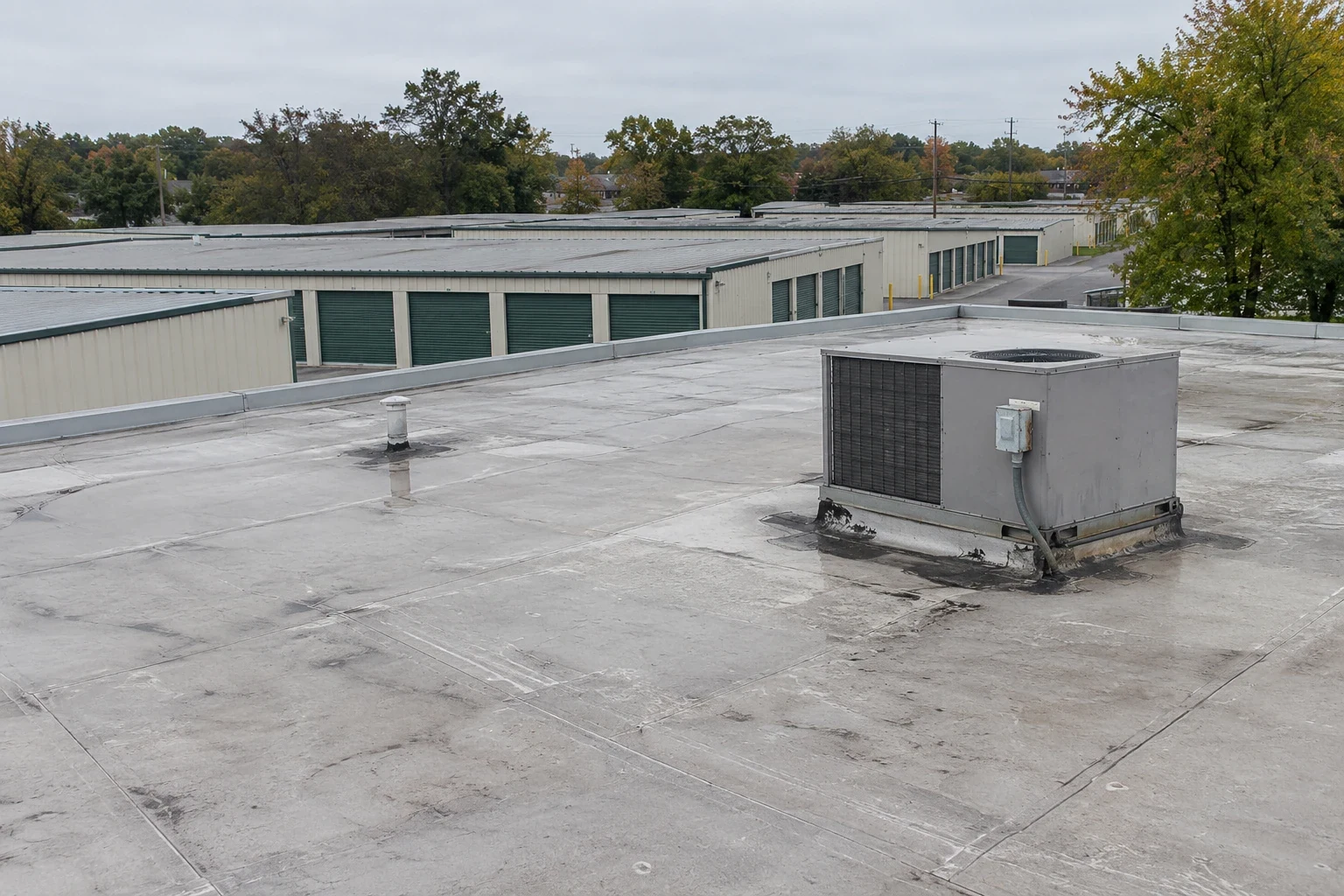
Showrooms are cooled, so wet insulation above them can add to energy cost and cause ceiling stains. An infrared moisture survey maps trapped water, and cores at the wet readings and at a dry control spot record each layer. We photograph each core with a ruler.
The survey result decides the path. A dry roof with failed details is a repair. A sound roof with dry insulation can take a recover. A roof wet over a wide area needs replacement. Those conclusions go into the report with the cores beside them, so the dealer principal or the corporate facilities group can follow the reasoning. Cost drivers are roof area, access over a lot full of vehicles, lift placement, the number of penetrations and tear-off layers.
Kenosha's auto history runs from 1902 to 1988, when the Jeffery, Rambler, Nash, Hudson and AMC names were built here, and the AMC lakefront plant site became HarborPark after demolition in 1990. Highways serve the city, including I-94 and WIS 50, 31, 32, 158 and 165. The same corridor runs through Pleasant Prairie and on south toward Gurnee.
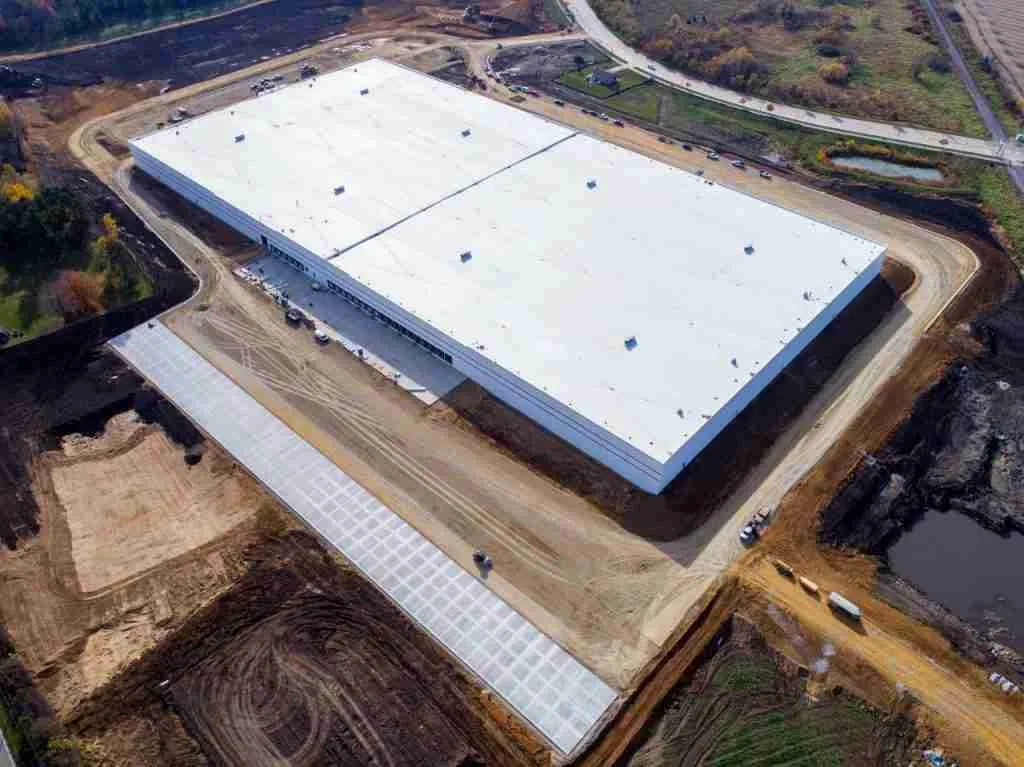
Each dealership is walked and rated on its own roofs, whatever brand it carries. A group with rooftops in several municipalities can compare them in one table. A big-box store and a dealership share wide roofs and rooftop equipment, and the same rating scale applies to both.
Lakefront exposure matters for sites near the water. Kenosha County has roughly eight miles of Lake Michigan shoreline, and buildings there see wind and freeze-thaw from the lake. The log notes the distance from the shore for each site, so the rating can be read against it.

Dealerships run long hours, and the shop starts early. Work is staged in sections, starting over the shop or parts area when sales are slow. Showroom work waits for a quiet day. Vehicles near the building are moved before a lift arrives. Interior protection goes up under any open cut above a display car.
The close-out package pairs the before and after photographs with the as-built plan, product data, warranty papers and open items. It also records the sign tie-ins and canopy joints, because a sign contractor needs to know the roof state before reattaching. A warehouse and a dealership shop share the same fastener findings and the same record.
Each day closes with a walk of the finished area and a photograph set. If rain or snow is forecast, the open section is closed first, and the log records the time. The general manager receives the day's entry before the next shift starts.
Customer parking is protected with a marked route for the crew, so a buyer walking to the showroom never crosses a staging area.
Keep Reading
Rooftop unit curbs, equipment supports and pipe supports in Kenosha, WI: height, flashing and load paths checked and logged to protect the membrane.
Snow load and ice dam roof damage repair in Kenosha, WI: drifts, frozen drains and ice damage logged with dated photos, plan marks and ratings for each roof.
Infrared scans and core-cut verification for Kenosha, WI commercial roofs, producing a numbered moisture map that separates wet insulation from dry.
Recover systems for Kenosha, WI commercial roofs, approved only after core cuts, moisture mapping and a layer-and-load review are on file.
Commercial roofing in Pleasant Prairie, WI for LakeView and Prairie Highlands industrial buildings, with seam, drain and curb findings recorded and dated.
Big-box retail roofing in Kenosha, WI: fastener-row findings, moisture surveys, snow-load records and multi-store roof programs for regional retail teams.
A drift line or a drain at that corner holds snow and meltwater. We mark it on the plan, record the cores and rate the section.
Often, with sections and protection under open cuts. Exhaust shutdowns are scheduled with the service manager and logged by time.
Each base and conduit entry gets a number, a photograph and a flashing rating. The sign contractor receives the record before reattaching, and the same entry is checked after the next storm.
It collects in drains and on membranes, and it speeds wear at metal edges. We photograph the drains each fall and spring.
Yes. Each roof is graded on the same scale with the same categories, so the group can rank sites and fund the worst first.
The address, any roof plan, a sketch of showroom and shop, and the leak history by room. Partial records are enough.