
Will a cool roof lower our cooling bill?
It can, in a cooled building with strong summer sun on the roof. The size of the effect depends on insulation, equipment and use. We describe the direction and leave the figure to an energy model.
Cool roof installation in Kenosha, WI: reflective membranes and coatings weighed against winter heating, snow load and code, with findings logged and rated.
A thermal image taken on a July afternoon shows a dark membrane glowing well above the air temperature, and the same image over a white membrane shows it much cooler. That photograph is the cleanest record of what a reflective roof does. In Kenosha, WI, where the record high reached 105 degrees in July 2012 and the record low fell to minus 31 in January 1985, a cool roof is a design choice with a summer benefit and a winter question. We record the existing roof, test it for the change and tell the owner whether a reflective surface suits the building and its heating load.
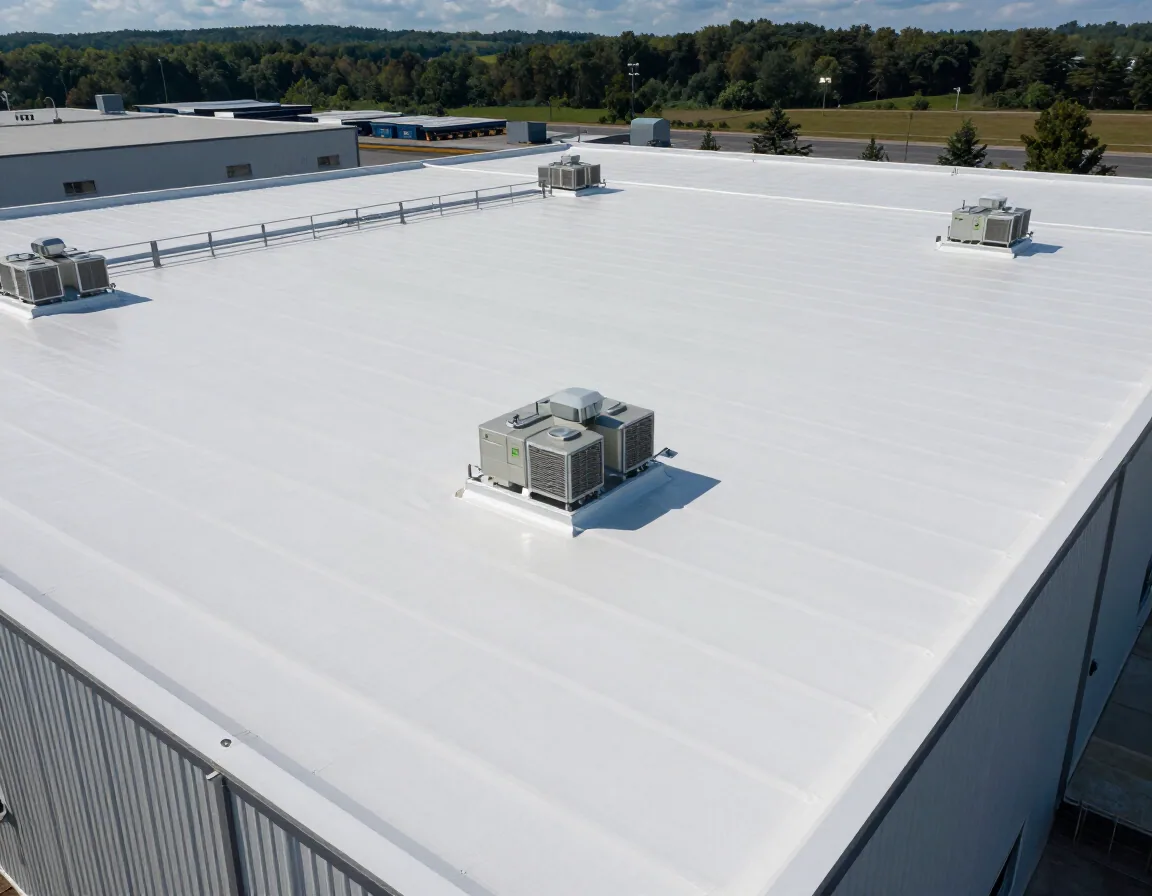
A cool roof reflects more sunlight and sheds more absorbed heat than a conventional dark roof. White and light-colored single-ply membranes, reflective coatings on existing roofs and some metal finishes qualify. The surface keeps the roof cooler in summer, which reduces the temperature swing the membrane sees and can reduce the building's cooling demand.
Reflectivity changes over time. Dirt, algae and weathering reduce it, and a white roof that has gone gray reflects less than it did on installation. We measure reflectivity where the question matters, and we log the date and the cleaning history. A cool roof also needs a wash schedule, which belongs in the maintenance program.
Heat load is the other half of the benefit. A dark roof in July runs far hotter than the air, and that temperature range wears the membrane at seams and flashings. A reflective surface narrows the range. The thermal image from the baseline visit, and a second one after installation, is the record of the change.
Cooler is not always better in a place that spends months below freezing. Kenosha averages about 36.2 inches of snow a year, and the neighboring city of Racine has a January mean daily high near 29.6 degrees. A reflective roof gives up some winter solar gain, which can modestly raise heating demand in a heated building. The balance depends on the building: a large distribution building with a modest heating load and a big cooling load reads differently from a hospital that heats around the clock.
We do not promise an energy figure. We describe the direction of the effect, the factors that change it and the code requirements that apply, and we leave the energy analysis to the building's engineer or an energy model if the owner wants one. The roof's job is still to stay dry, and a cool surface that fails early has saved no one anything.
White TPO and PVC membranes are the common reflective choices for new roofs and replacements. Both are heat-welded at the seams, and both come in reflective colors. Reflective coatings, including white acrylic and silicone, can add a cool surface to an existing sound roof.
The existing roof decides the path. A sound membrane with dry insulation may take a coating if it passes the same tests that apply to roof coating restoration. A roof at the end of its life is a replacement, and the new membrane can be reflective from the start. We record the roof's current condition by core cut and moisture survey before recommending either.
Wisconsin's commercial building rules are in chapters SPS 361 through 366, and SPS 361.05 adopts the international codes. The state has prepared Commercial Building Code inserts for the 2021 editions of the building, energy conservation, mechanical, fuel gas and existing building codes, and it requires the 2021 energy code option in COMcheck. Energy code provisions can address roof reflectance, insulation levels or both, depending on the project.
We confirm the requirement with the plan reviewer for each project, because it varies by scope and use. The finding goes into the file: what the code asks, what the proposed roof provides and who confirmed it. A reflective surface may help meet a requirement, but insulation level often does more of the work in a cold climate.
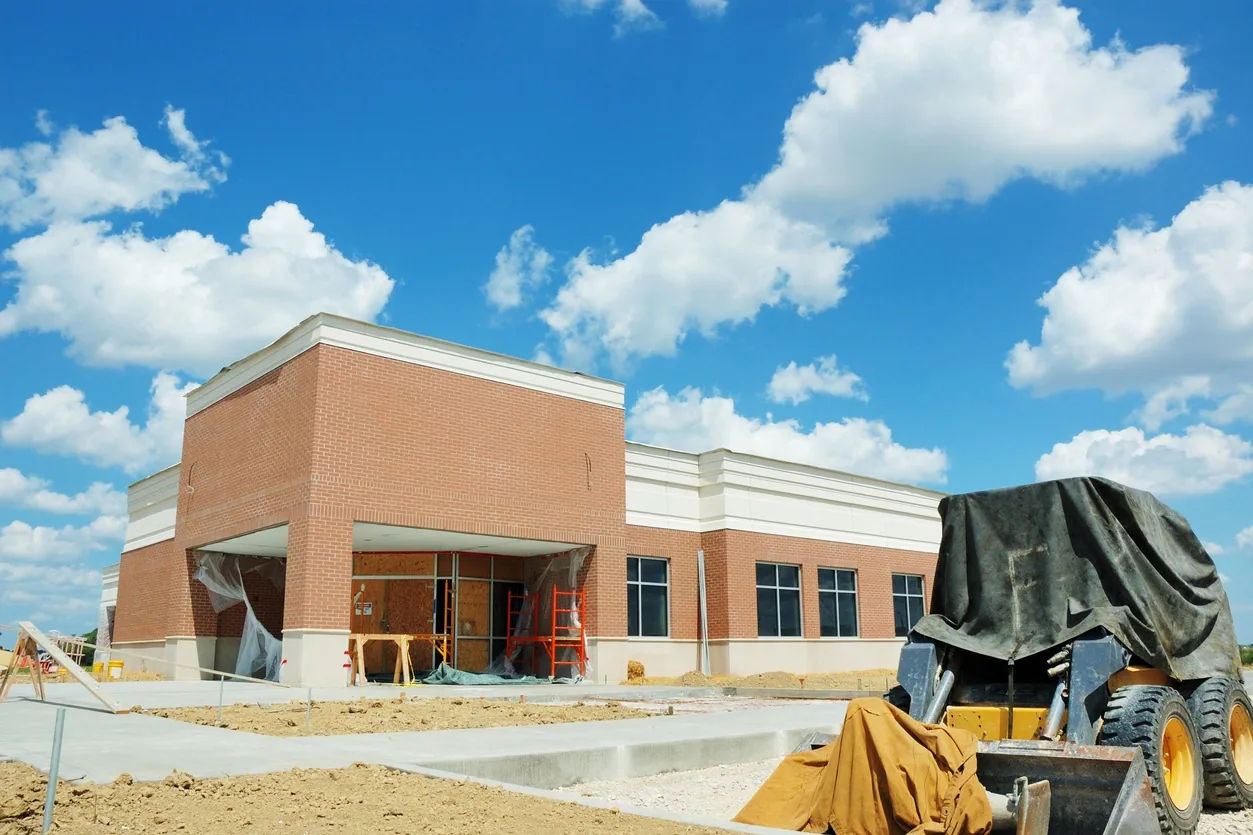
A reflective membrane goes down in a fixed order. We prepare the substrate, lay insulation and cover board where the design calls for them, set the membrane, weld or adhere the seams and flash every curb, penetration and edge. White membranes show dirt and foot marks, so crews keep the surface clean and stage materials off the finished area.
Every welded seam is probed along its edge, and test cuts are pulled at planned intervals. The results are logged by seam number. Flashing details are photographed before they are covered. The close-out file holds the seam log, the photo set and the product data, and the facility director can attach it to a capital request or hand it to the next inspector.
Snow load and ice need separate planning on any new roof. A white surface does not change the structural load, and drifting against curbs and parapets is the same as on a dark roof. The design still lists drains, crickets and overflow openings, and the plan reviewer sees them with the energy information.
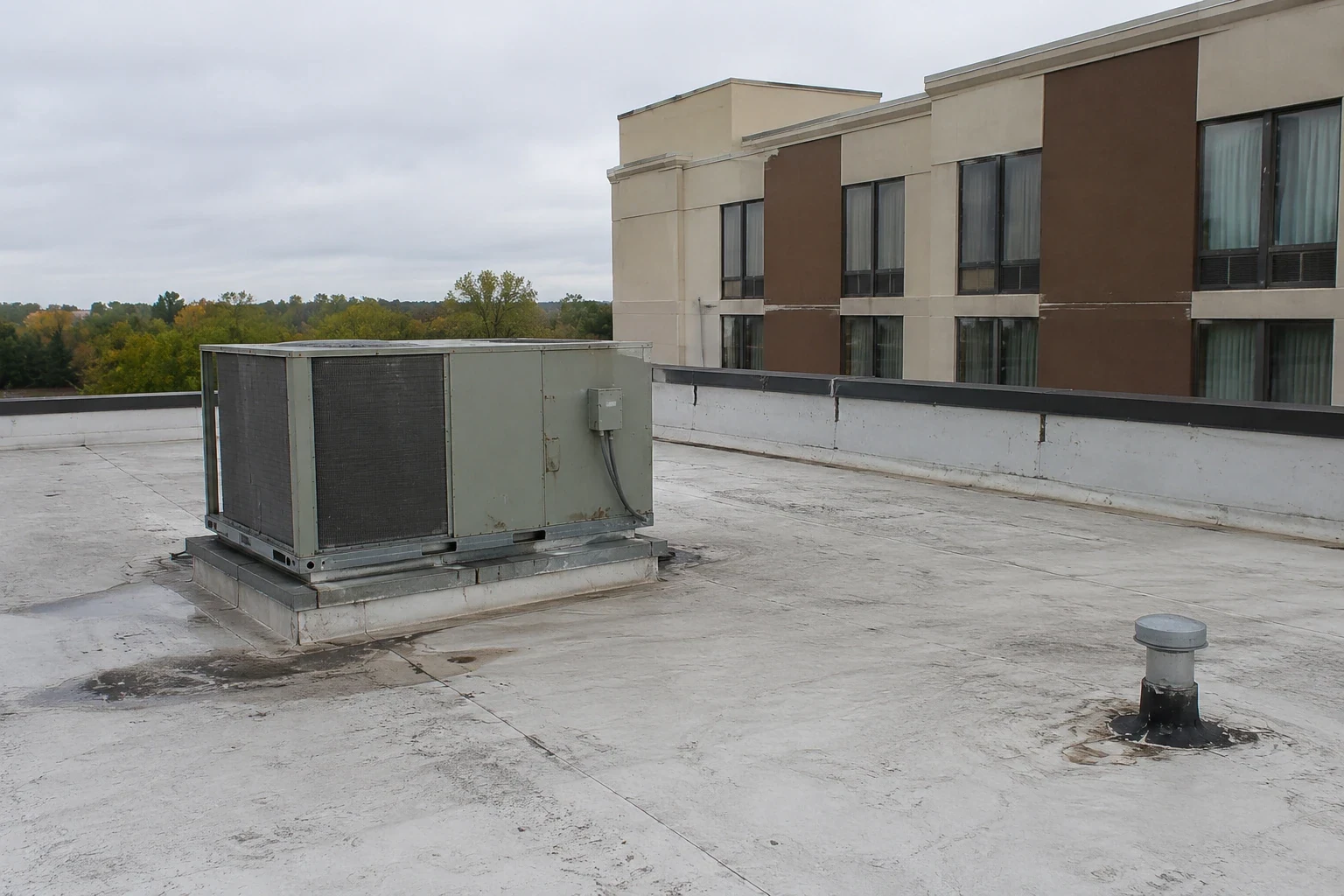
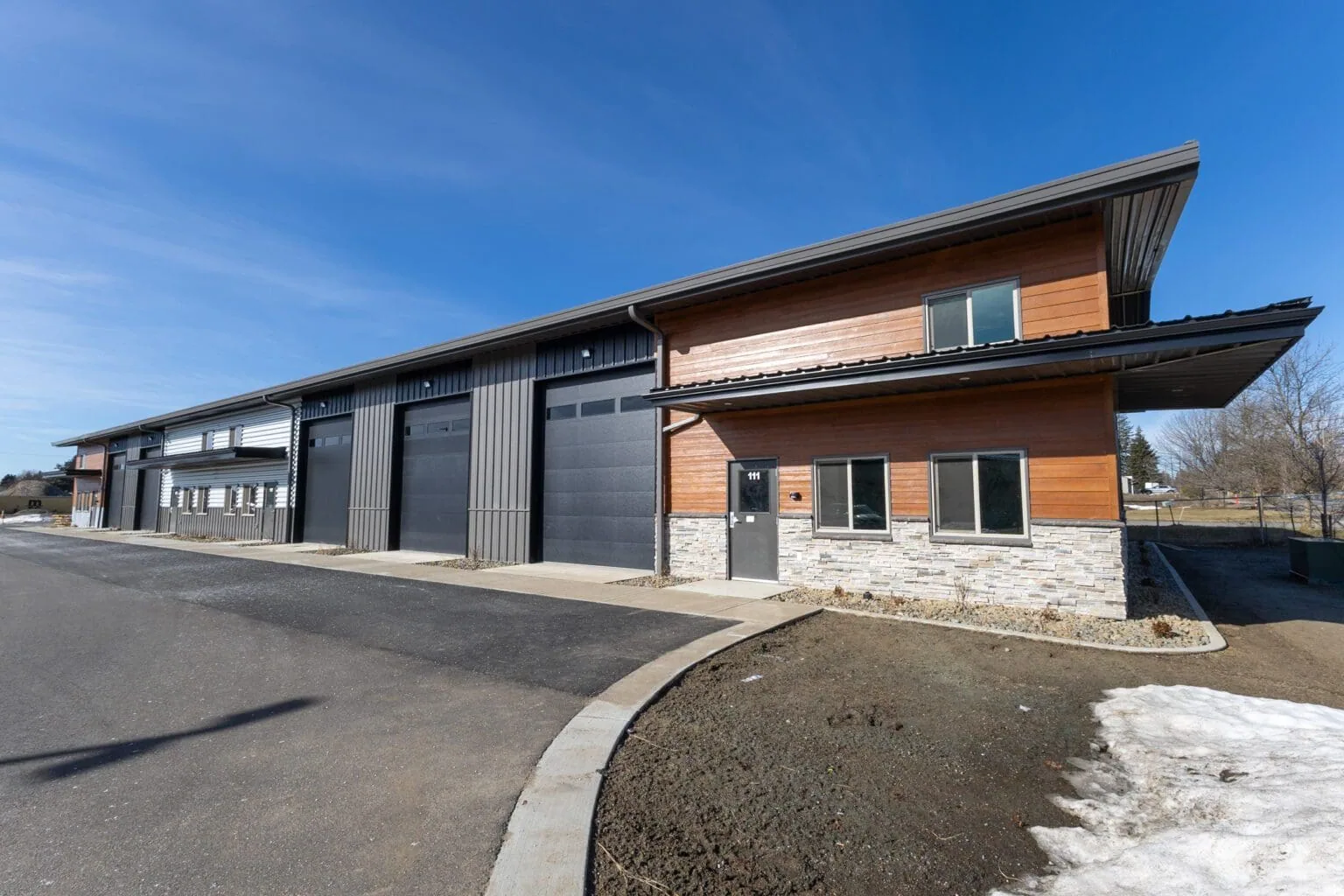
Large, air-conditioned buildings gain the most from a reflective surface. Warehouses and distribution centers in Pleasant Prairie may be conditioned only in parts, which changes the benefit. Retail and office buildings in Kenosha and in Gurnee, home of Gurnee Mills across the state line, gain more wherever they run cooling in summer and have rooftop units that shed heat at the roof.
Hospitals run heat and cooling all year, and the roof needs to be dry before anything else. Manufacturing plants in Racine County may produce heat that matters more than sun on the roof. For each building, the file lists the heated and cooled areas under the roof, the equipment on top and the current membrane, so the choice rests on facts.
An installation record for a cool roof names the membrane or coating, its listed reflectance, the date, the weather during application and the thickness or seam test results. We photograph each stage and keep batch numbers. After a year, a follow-up visit measures dirt buildup and checks the surface.
The maintenance log then includes a cleaning interval. Rinsing a white roof once or twice a year, with a method the manufacturer approves, keeps reflectivity higher for longer. The record shows when each cleaning took place, and it supports the warranty file. A cool roof is a replacement or restoration decision first and an energy decision second, and the file keeps both in view.
Keep Reading
TPO roof inspection, seam repair and replacement in Kenosha, WI, with probed weld records, dated photo sets and condition ratings for capital requests.
PVC roof inspection, weld repair and replacement in Kenosha, WI, with grease-exposure mapping, moisture surveys and dated condition ratings.
Silicone roof coating inspection, adhesion testing and application in Kenosha, WI, with moisture surveys, ponding records and dated condition reports.
Roof coating restoration in Kenosha, WI: core cuts, adhesion tests and moisture surveys decide whether a sound roof can be coated to extend its service life.
Commercial roofing in Pleasant Prairie, WI for LakeView and Prairie Highlands industrial buildings, with seam, drain and curb findings recorded and dated.
Full tear-off and replacement for Kenosha, WI commercial roofs, run from a documented core survey, written condition ratings and a close-out package.
It can, in a cooled building with strong summer sun on the roof. The size of the effect depends on insulation, equipment and use. We describe the direction and leave the figure to an energy model.
A little: winter solar gain drops. In a cold climate with snow cover, that effect is small compared with insulation level. The building's heating load decides how much it matters.
Dirt and weathering reduce reflectivity, and the rate depends on the site. Cleaning on a schedule keeps more of it. We log cleaning dates and check the surface each year.
If it passes the moisture survey, core cuts and adhesion test, yes. If not, the money belongs in repair or replacement first.
Some utility and tax programs have addressed reflective roofs, and their terms change. Check current program rules, and we will supply the product data and installation records they require.