
What does a baseline report include?
A roof plan, dated photographs of each finding, a condition rating for each area, moisture results where tested and a prioritized list of work. It is written so a team can attach it to a work order.
Commercial roof inspection, repair and replacement in Wadsworth, IL, with dated photo sets, moisture surveys and written condition ratings for each building.
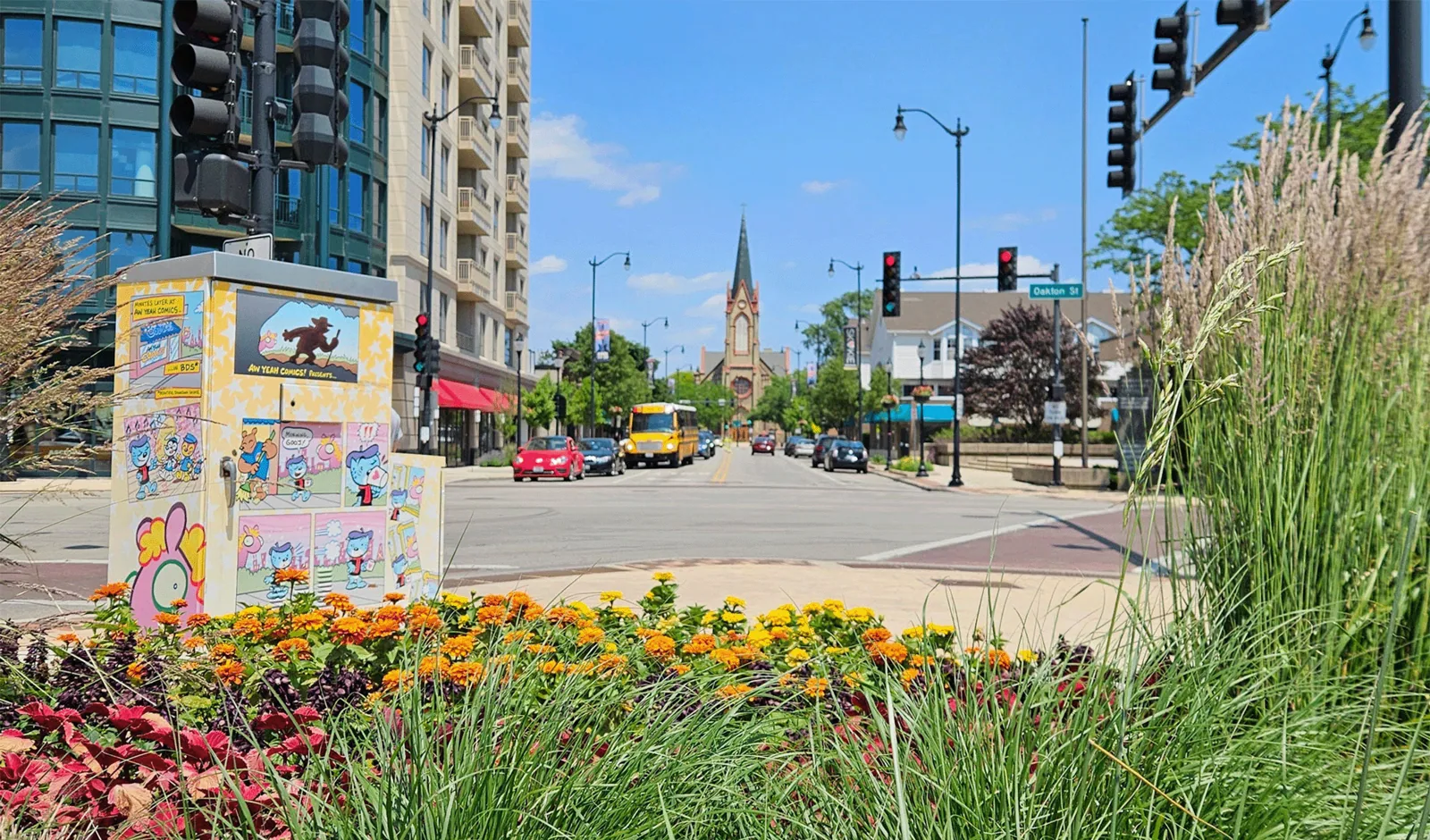
A dated photo of a lifted seam at a parapet corner is the most useful single page in a roof file. It shows where the membrane let go, when it was seen and what it looked like before anyone touched it. For commercial buildings in Wadsworth, IL, that kind of record is the starting point of every job we do. It becomes a line in the inspection log and a reference for the next walk.
In Wadsworth we inspect, repair and replace low-slope and metal commercial roofs for owners and facility directors. Each building gets a baseline report with a condition rating, so repair, recover and replacement decisions rest on findings and not on a general impression of age. Emergency work is available every hour of every day, holidays included.
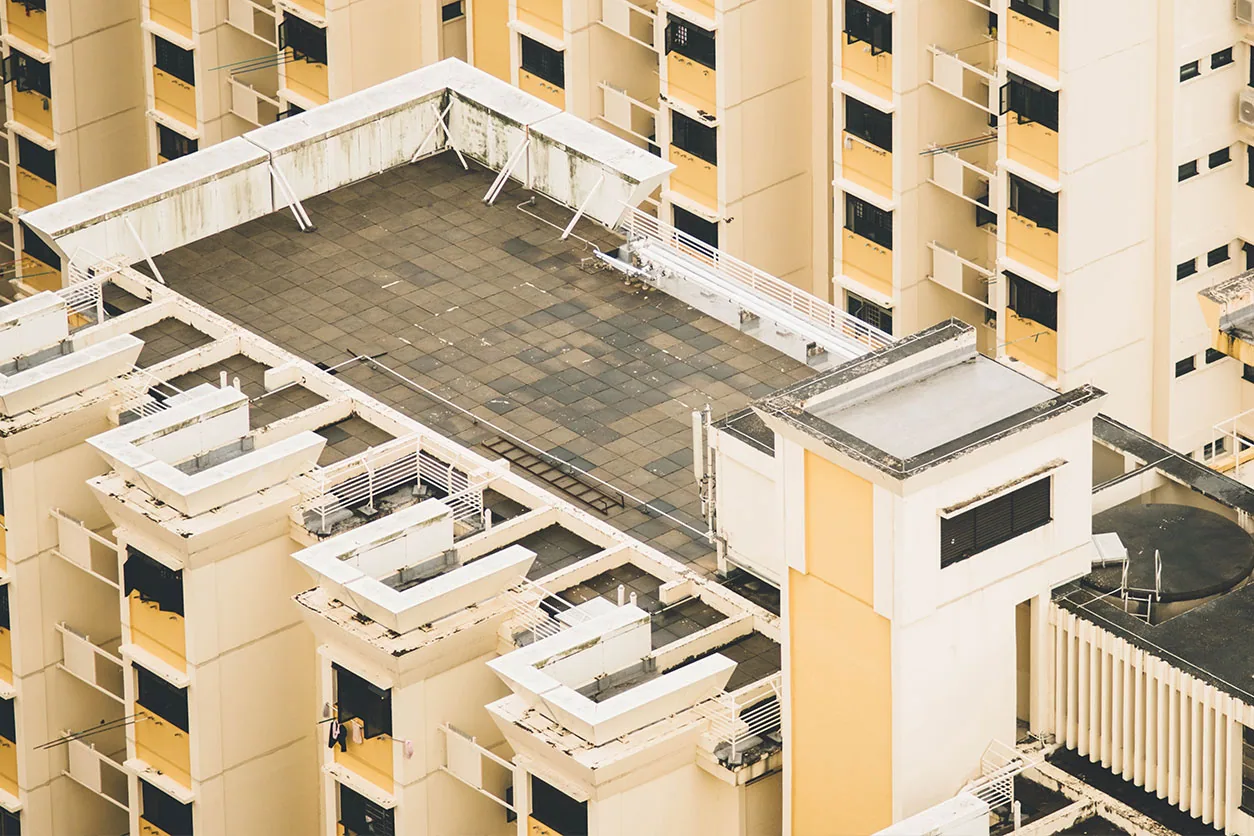
Wadsworth is served by the Tri-State Tollway (I-94), US 41, Rosecrans Road (Illinois 173) and Green Bay Road (Illinois 131), and the village is adjacent to Gurnee and Waukegan. Commercial roof work in a place like this follows the buildings that sit along those routes, whatever their use: offices, retail, light industrial, storage and service buildings.
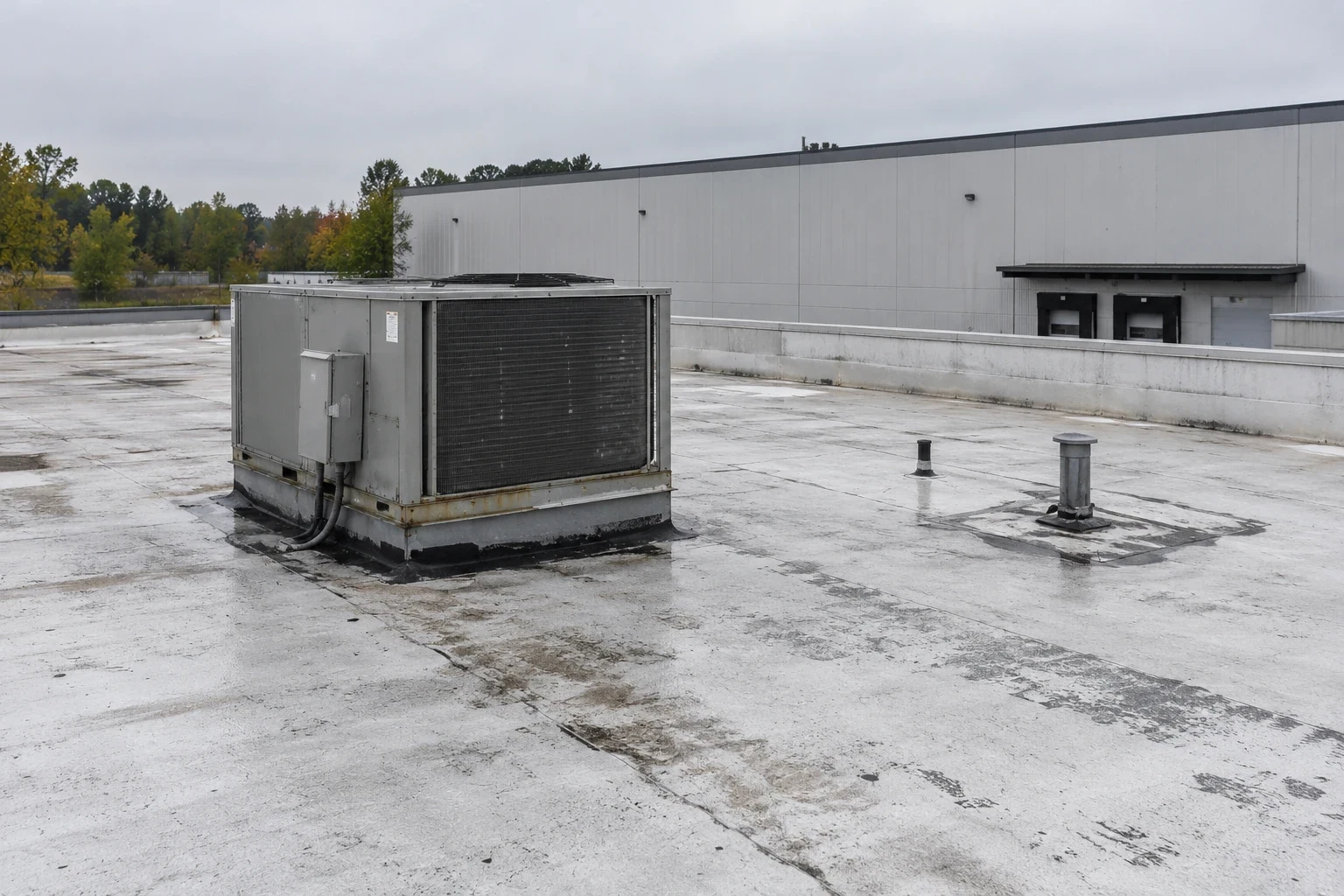
On a first walk we record what is actually on the building: membrane, metal panel or built-up, the number of layers, the insulation, the drainage and the age of the last repair. That finding sets the scope. A building next to a major route may have the same low-slope membrane as a neighbor, but its penetrations, drains and history will differ, and the condition rating reflects.
Occupied buildings add a scheduling layer. A tenant who cannot lose power, a shop that opens at six in the morning and a storage space with sensitive goods each set limits on when and how we work. We list those limits in the work order before the first day, and the crew follows them.
Kenosha takes about 36.2 inches of snow a year; its lowest reading is minus 31 degrees (January 1985) and its highest 105 (July 2012). A roof in this part of Lake County cycles across a similar range every year. Snow loads sit on decks through January and February, the snowiest months, and thaw water finds every open lap.
The findings are predictable. Seams open at laps and end terminations. Sealant cracks at flashings and penetrations. Ice dams form at eaves and drains. Drain bowls fill with ice and debris, and water ponds behind them. Each spring we log what the winter did: lifted edges, split flashing, punctures from ice removal and new ponding lines. Those findings go into a dated photo set, and the set shows whether a problem is new or old.
Freeze-thaw cycling is the quiet cause behind many findings. Water enters a small crack in daytime, freezes at night and widens the crack by a hair. Over a winter, a hairline becomes an open lap. A spring walk with a dated photo set catches these while they are still small, and a short repair at that point costs far less than a section replaced after the next winter.
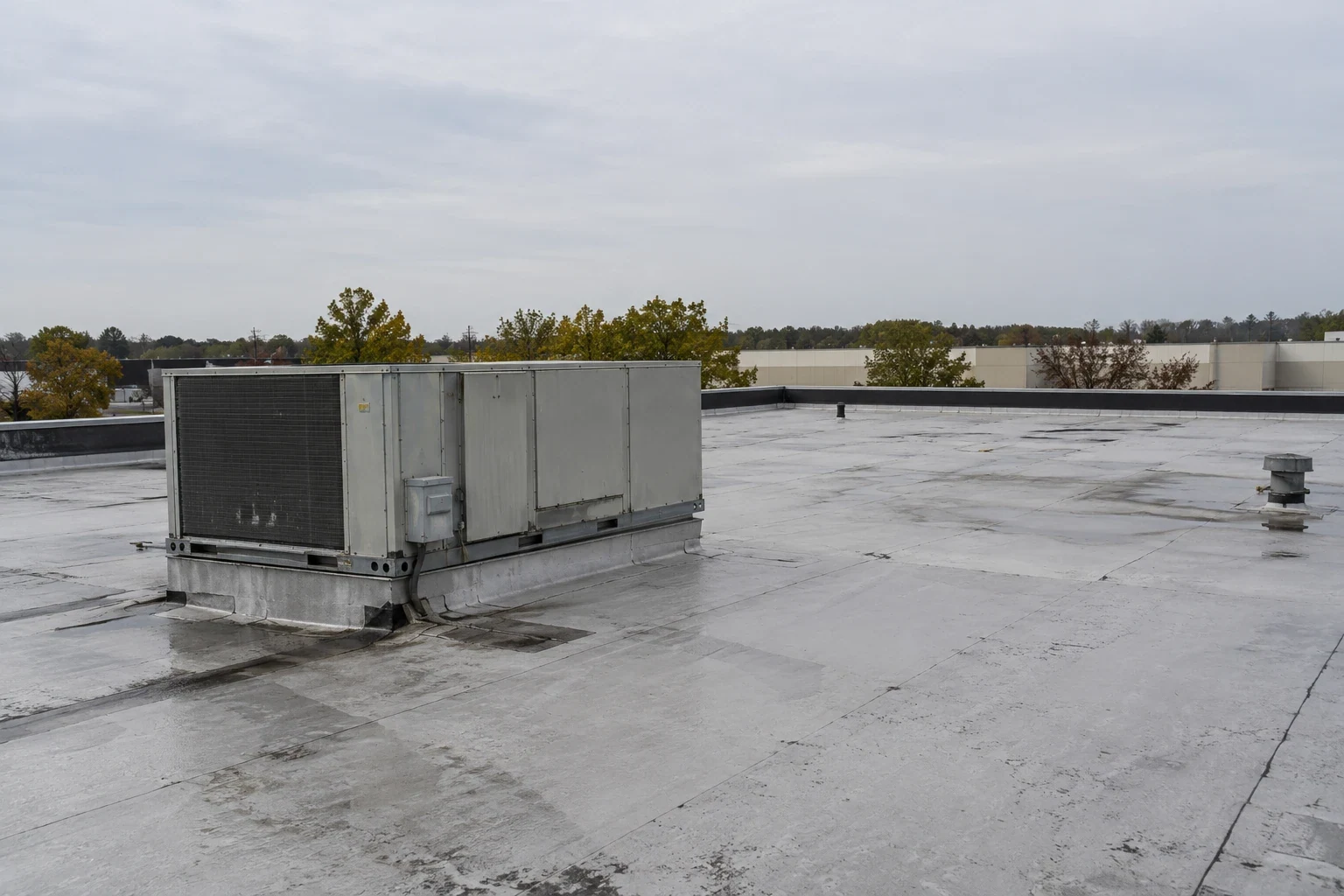
A first walk takes in the full roof area, not only the spot that leaks. We walk the field, edges, penetrations and drains and photograph each finding with a date and a reference mark. A roof plan shows where each photo was taken. Findings are rated, and the rating drives the order of work.
Where water is suspected, we use an infrared moisture survey and cut a core to see what the insulation holds. Cores are patched the same day and recorded with location and thickness. The result is a baseline report your team can file with a work order or a capital request. If you have more than one building, the same format applies to each, so the records can be compared.
The record supports the decision. A roof with isolated seam failures and dry insulation is a candidate for commercial roof repair. A roof with a sound deck, dry insulation and a worn membrane may take a recover. A roof with wet insulation across a broad area calls for replacement, and the moisture survey shows where the line falls.
Cost and timing follow the findings. The drivers are the wet insulation to remove, access to the roof, the penetration and drain count, and the system chosen, such as TPO, PVC or modified bitumen. We state the drivers in the scope so a facility director can explain the number to a budget committee. Winter limits some work, so scheduling is part of the plan.
Warranty paperwork belongs in the same file. If a roof is under a manufacturer warranty, we note its terms, check what repairs are allowed and record who performed them. A repair that voids a warranty is a finding too, and the owner should hear about it before work begins, not after.
Severe weather leaves its own findings. Two tornadoes crossed Kenosha County on January 7, 2008, one through Wheatland and Brighton and one at Somers and north Kenosha, leaving 105 homes damaged. That puts wind-edge condition on the record for the region. We check edge metal, coping and perimeter attachment as part of every walk.
Snow brings a second set of checks. Heavy drifts at rooftop units, parapets and level changes add load and hide damage. After a major snow, we look at drains, ponding and signs of overstress. Snow and ice damage is traced through the same inspection log, and storm damage repair uses its photos to separate new damage from old wear.
Wadsworth is adjacent to Gurnee and Waukegan, so an owner with buildings in all three can use one record format across them. A multi-site owner can see which roofs need attention this year and which can wait, with dated findings behind each rating.
The close-out package for any job includes the final photo set, the as-built repair locations, product data and notes for the warranty file. When a roof is done, the record shows what was done, and the next inspector can pick up from there.
The record also lists who approves access, so a repeat visit starts at the right door.
Keep Reading
Infrared scans and core-cut verification for Kenosha, WI commercial roofs, producing a numbered moisture map that separates wet insulation from dry.
Planned membrane, flashing and seam repair for Kenosha, WI commercial roofs, with dated photos, a marked roof plan and a written repair log for every visit.
Recover systems for Kenosha, WI commercial roofs, approved only after core cuts, moisture mapping and a layer-and-load review are on file.
TPO roof inspection, seam repair and replacement in Kenosha, WI, with probed weld records, dated photo sets and condition ratings for capital requests.
Snow load and ice dam roof damage repair in Kenosha, WI: drifts, frozen drains and ice damage logged with dated photos, plan marks and ratings for each roof.
Storm damage roof assessment and repair in Kenosha, WI: wind, snow and ice findings logged with dated photos and condition ratings for insurers and owners.
A roof plan, dated photographs of each finding, a condition rating for each area, moisture results where tested and a prioritized list of work. It is written so a team can attach it to a work order.
By comparing dated photo sets. A seam shown tight in the baseline and open this spring is a winter finding. We keep the earlier record so the difference is visible.
Some systems can, with limits. Adhesives, sealants and welds have temperature ranges. We schedule work in suitable windows and protect any opening at the end of each day.
Yes. Each building gets its own report in a common format, so ratings can be compared across a portfolio and ranked for the capital plan.
Pass along the roof age if known, the building use, notes on leaks and earlier repair invoices. A roof plan helps; the baseline inspection is then scheduled and a written condition rating returned.